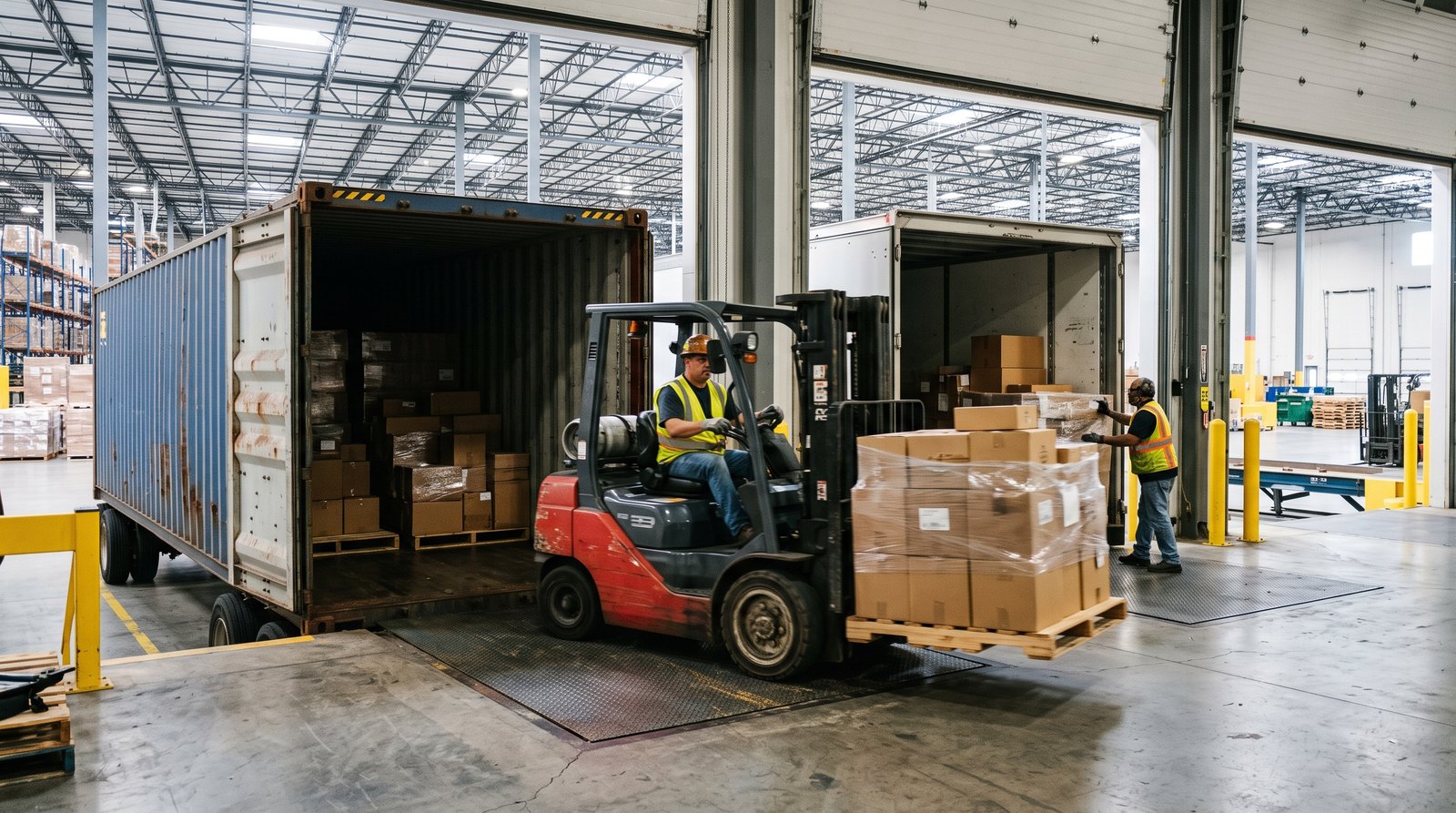
Cross-docking and transloading are often used together in logistics conversations, but they are not the same decision. In Denver, the right fit usually comes down to what the freight needs next: a fast transfer with minimal dwell, or a transfer that changes equipment, handling, or shipment configuration. This guide is designed to help shippers, brokers, and carriers choose the right workflow before they request dock time.
What is the practical difference between cross-docking and transloading?
The direct answer is that cross-docking is usually about speed, while transloading is usually about changing how the freight is moved. Both happen at a facility, both can involve unloading and reloading, and both are used to keep freight moving. The practical difference is whether the job is mostly a straight transfer or whether the freight must change equipment, handling pattern, or shipment setup before outbound.
| Comparison point | Cross-docking | Transloading | Why it matters for your load |
|---|---|---|---|
| Core goal | Move freight through quickly with minimal dwell | Shift freight between equipment types or handling setups | This tells you whether speed or reconfiguration is the main job |
| Typical inbound/outbound setup | Truck to truck, often with pallets staying mostly intact | Container to truck, flatbed to van, or another equipment change | Equipment change usually pushes the job toward transloading |
| Handling level | Lower handling when the load is already transfer-ready | More handling if freight needs repositioning, sortation, or reconfiguration | More handling affects scope, timing, and labor |
| Storage expectation | Minimal or no storage beyond short staging | May include short staging depending on the move | If the job needs more than a quick pass-through, the workflow changes |
| Best fit for | Missed appointments, backlog, fast rerouting, scheduled transfers | Container unloads, flatbed side unloads, equipment swaps, cargo conversion for the next leg | The best-fit scenario often reveals the right term |
| Main question to ask | Can this freight move out almost as-is? | Does this freight need to change equipment or handling format first? | This is usually the fastest way to choose |
Many SERP results explain the distinction in textbook terms: transloading focuses on a mode or equipment change, while cross-docking focuses on rapid movement with minimal storage. Denver Express’s own cross-docking page reflects that local reality by presenting the service together as cross-docking/transloading and calling out container unloading, flatbed transloading, short staging, and quick transfer support near I-70 and I-270.
When is cross-docking the better fit in Denver?
Cross-docking is usually the better fit when the freight is already in acceptable condition and the main goal is to move it through the facility quickly. The shipment may need a short staging window, but the operation is still transfer-led rather than reconfiguration-led.
This option tends to fit missed appointments, receiver backlogs, tight delivery windows, or a planned inbound-to-outbound handoff where the pallets can move with little additional handling. If your real question is how to get the load off one trailer and onto the next with minimal dwell, you are usually on the cross-docking side of the decision.
When does transloading make more sense than cross-docking?
Transloading makes more sense when the load needs an equipment change or a more involved handoff before outbound. In practice, that often means container to truck, flatbed to van, or another shift where the freight must be unloaded, repositioned, or staged in a way that goes beyond a simple dock transfer.
That does not always mean a long or complex project. Sometimes the job is still quick. The difference is that the outbound plan depends on a change in equipment or handling method, not just velocity through the dock.
A useful local example is flatbed unloading. Denver Express specifically highlights flatbed transloading with ramp support for side unloading, which signals that this workflow is not just “fast transfer” in the abstract. It is a defined equipment-handling use case. See, Denver Express- Cross Docking.
What shipment details decide the right workflow before arrival?
The fastest way to choose correctly is to focus on shipment facts, not labels. Many teams say they need “cross-docking” because the load is urgent, when the real need is transloading due to container unloading, flatbed handling, or a trailer-to-trailer equipment change.
Use this checklist before you request the service:
- What is the inbound equipment type: container, dry van, reefer, or flatbed?
- What is the outbound equipment type?
- Can the freight move out mostly as loaded, or does it need a different handling setup first?
- Is the freight already palletized and stable?
- Will the job involve side unloading, restaging, or repositioning for the next leg?
- Is the goal a same-day transfer, a short staging window, or a broader equipment change?
- What are the ETA, pallet counts, total weight, and unload window?
- Are there any load-condition issues that would push the job toward rework instead?
If you are still choosing between the two, start with the service overview here.
How does this choice look in real freight situations?
The best decision usually becomes obvious when you stop thinking in logistics labels and look at the physical move the freight actually needs. Two shipments can both be urgent, but only one of them may need a true transloading workflow.
Scenario 1: Container needs to become a truck-ready outbound move
A shipper has an inbound container arriving in Denver and needs the freight unloaded and transferred to an outbound truck for the next leg. The pallets may be usable, but the move still depends on unloading from one equipment type and preparing it for another.
That is usually a transloading-led situation. The critical factor is not just speed. It is the equipment change and the handling that comes with it.
Scenario 2: Missed appointment with stable palletized freight
A driver misses a receiver appointment, but the freight is already palletized, stable, and ready to continue once a new door or delivery window is available. Nothing about the freight needs to change except the transfer timing.
That is usually a cross-docking-led situation. The main need is quick movement with minimal dwell, not a deeper reconfiguration of the shipment.
What are the common mistakes and red flags?
The most common mistake is using the terms as if they are fully interchangeable. In everyday logistics talk, they overlap, but the wrong label can still lead to the wrong scheduling assumptions, the wrong labor plan, or an incomplete quote request.
Red flags include:
- Asking for cross-docking when the job clearly involves a container unload or flatbed handling change
- Asking for transloading when the load is simply moving from one truck to another with minimal dwell
- Leaving out inbound and outbound equipment details
- Not clarifying whether the freight is palletized, floor-loaded, or mixed
- Treating freight-condition issues as a transfer problem when the load may actually need rework first
A simple rule helps here: if the load mostly needs speed, start with cross-docking. If it needs an equipment or handling conversion before it can move on, start with transloading.
What should you do next if the fit is still unclear?
If the distinction still feels blurry, send the shipment facts instead of forcing a label. A facility can usually identify the right workflow faster when it knows the inbound equipment, outbound plan, pallet profile, weight, and any special handling constraints.
Denver Express’s Denver page is already structured around that practical intake model. It asks for ETA, trailer type, pallet counts and weights, whether the move is transfer-only or needs staging or rework, and it notes scheduled receiving with a 3:30 p.m. cutoff, with after-hours or weekend availability by appointment.
If your load needs a Denver cross-docking or transloading workflow, start here.
Rail containers are a common transloading case. Read rail container overflow in Commerce City for how devanning works against the chassis clock.
Frequently asked questions
Is transloading always a change of transportation mode?
Not always in the strictest day-to-day warehouse sense. Many logistics pages describe transloading as a mode change, but operationally it is often used more broadly for an equipment or handling change that goes beyond a simple dock transfer.
Is cross-docking always faster than transloading?
Usually, but not automatically. Cross-docking is built around minimal dwell, while transloading can involve more handling. The real timeline depends on the freight condition, equipment type, scheduling, and whether staging is needed.
Can one shipment involve both cross-docking and transloading?
Yes. Some jobs overlap in practice, especially when freight changes equipment and still needs a quick outbound handoff. The better question is which workflow owns the job and what information the facility needs first.
When does this stop being a transfer problem and become rework?
If the freight is shifted, unstable, rejected, or cannot safely continue as loaded, the issue may no longer be just cross-docking or transloading. At that point, rework may need to happen before the next transfer can be booked.
A soft next step is to send the shipment details and let the team scope the right workflow rather than guessing from the label alone.
External references
Cargo securement rules overview.
< Older Post
Newer Post >
More in Cross-docking & transloading
Keep reading in this cluster
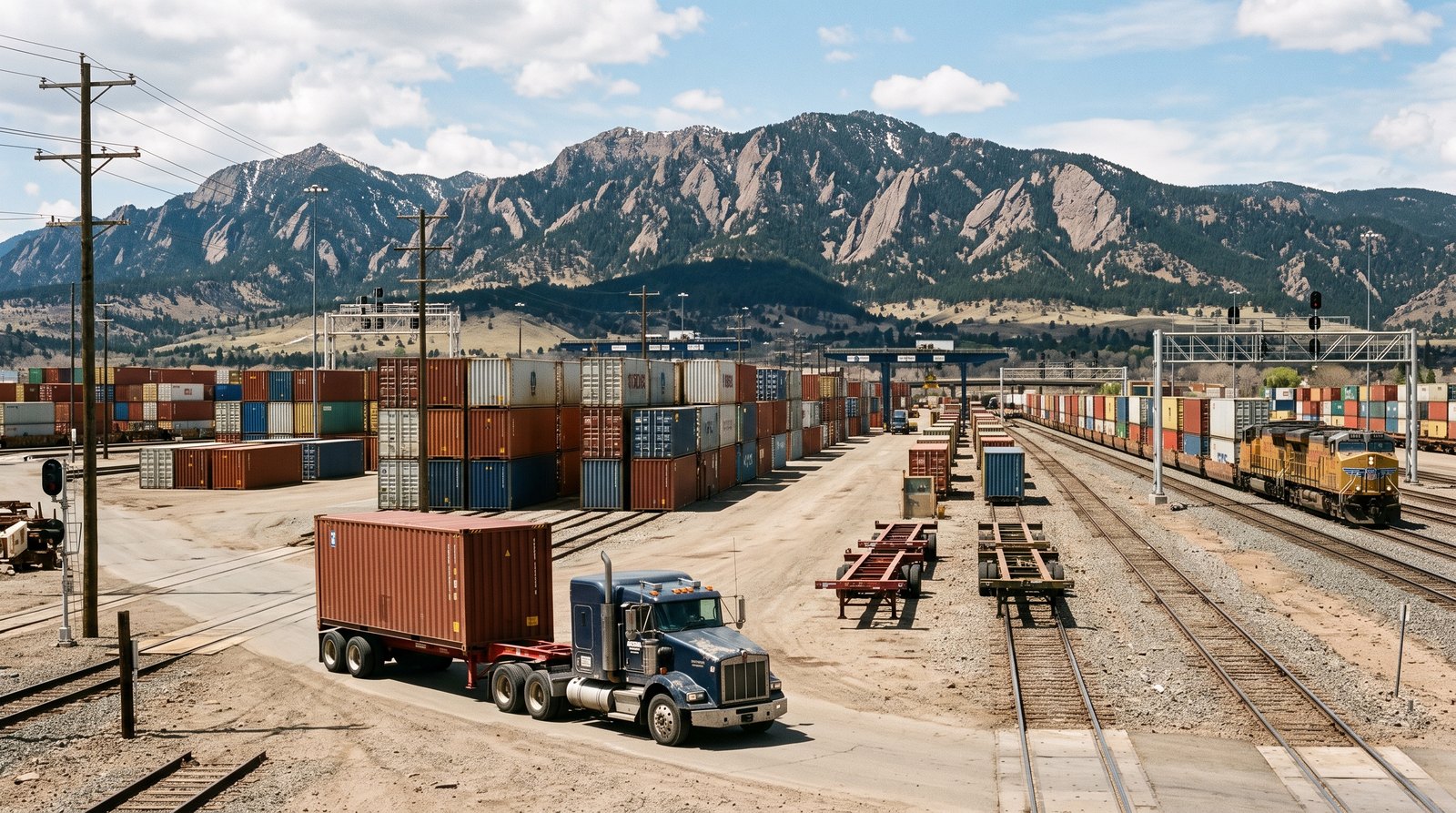
Intermodal Freight in Denver: When It Makes Sense vs Standard Trucking
Intermodal freight in Denver works well on long-haul lanes, but the transload step often determines whether the move stays on schedule. Learn when rail-plus-truck makes sense and what to plan at the cross-dock.
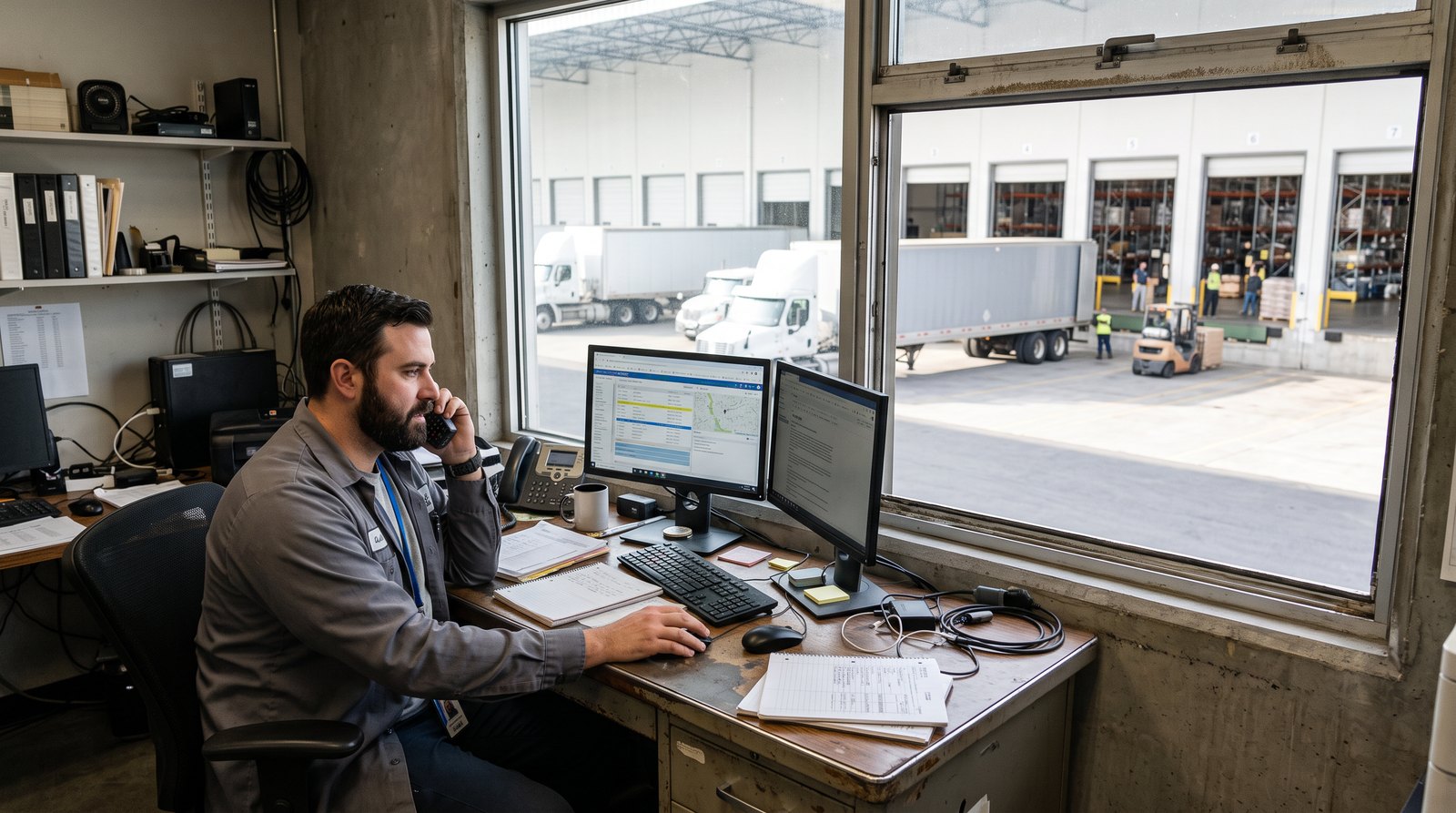
What Is a Cross-Dock Slot in Denver-and What Do You Need to Book One Fast?
Need a cross-dock slot in Denver fast? Learn what a dock slot really is, what details matter most, and what to send before you request availability.
How to Choose a Cross-Dock Partner in Denver: 12 Questions to Ask
Confirm dock capacity, who touches your freight, how exceptions are documented, and every accessorial before you compare price. Twelve questions that separate a real Denver cross-dock from a phone number.
Container Drayage and Devanning in Denver: What Importers Pay For
Drayage moves the container; devanning unloads it onto pallets. Learn what drives each cost, how per-diem and chassis clocks bite, and when live unload beats drop and pick.