When a load is delayed, rejected, or sitting without a clear next step, the hardest part is often not the labor itself. It is choosing the right workflow before the problem gets bigger. In Denver, warehousing, cross-docking, and freight rework solve three different freight problems, even though they are often mentioned together. This guide is built to help shippers, brokers, and carriers decide which service should own the situation in front of them.
How do warehousing, cross-docking, and rework differ?
The short answer is simple: warehousing is for planned holding, cross-docking is for fast transfer, and rework is for freight that must be corrected before it can safely move on. The right choice depends on whether the main issue is time, storage, or load condition.
| Your situation | Service that fits | Why it fits | What to send with your request |
|---|---|---|---|
| Inventory needs to sit for days, weeks, or ongoing release | Warehousing | The load needs controlled storage, planned access, and future outbound timing | Product type, pallet profile, how often it moves in and out |
| Freight is intact and just needs to move from inbound to outbound with minimal dwell | Cross-docking | The problem is transfer speed, not storage | Inbound ETA, outbound timing, trailer type, pallet count |
| Pallets shifted, wrap failed, or the receiver rejected the load | Rework | The freight needs to be stabilized, rebuilt, or verified before the next leg | What failed, photos, rejection notes, rebuild requirements |
| The appointment was missed, but the freight is still stable | Usually warehousing or short staging | The freight may need a temporary hold before redelivery, not a rebuild | How long it must sit and whether the next appointment is already scheduled |
| The freight must be transferred and lightly corrected before outbound | Cross-docking plus rework | The operation is still transfer-led, but the load condition needs limited intervention | Whether the load is safe to unload and what correction is required |
| The load was rejected and cannot go straight back out | Rework plus warehousing | Correction comes first, then a hold until the next delivery plan is ready | Receiver requirements, timing for redelivery, and whether storage is needed after rework |
A useful way to think about it is this: if the freight is fine but timing is broken, the answer often leans toward cross-docking or storage. If the freight itself is broken, rework usually becomes the owner.
Which freight problems usually point to each service?
The service owner is usually visible once you identify the real bottleneck. Most confusion comes from describing the symptom, like a missed appointment or a refused load, without isolating whether the core issue is timing, dwell, or freight condition.
When warehousing is the service owner
Warehousing usually owns the problem when the freight needs to sit in a controlled space until the next move is ready. That includes recurring pallet storage, overflow inventory, short-term holding after scheduling changes, and freight that needs to be available later rather than moved immediately.
Warehousing is also the better fit when the business problem is access to inventory, not just a one-time transfer. If pallets will be released over time, staged for future appointments, or held while schedules settle, storage is doing the real work.
When cross-docking is the service owner
Cross-docking usually owns the problem when the load is healthy and the main goal is fast movement through the facility. The freight comes in, gets unloaded, sorted or staged briefly if needed, and goes back out with as little dwell as possible.
This is the better fit when the shipment already has an outbound plan, the pallets are stable enough to transfer, and the operation is driven by timing. If your real question is, “How do I keep this moving today without turning it into storage?” cross-docking is often the answer.
When rework is the service owner
Rework usually owns the problem when the freight cannot safely or acceptably continue in its current condition. That includes shifted pallets, broken pallets, failed wrap, rejected deliveries, mixed or unstable stacks, and loads that need repalletizing, shrink wrap, or weight-related verification before the next leg.
In those cases, speed still matters, but repair or stabilization matters first. If the next receiver will not accept the load as it sits, rework is what creates a shippable load again.
When the right answer is a sequence instead of one service
Sometimes one service starts the job, but another one finishes it. A rejected load may need rework first and warehousing second. A tight-turn load may need cross-docking first, but if the outbound falls through, short storage may take over.
That is why service selection should start with the owner of the problem, not every possible task. Once you know what owns the issue, the supporting steps become easier to scope.
What questions decide the right service before you call?
You can usually narrow the answer quickly by asking a small set of operational questions. The goal is not to diagnose every detail in advance. It is to avoid asking for cross-docking when you really need rework, or asking for storage when the load simply needs a fast transfer.
Use this checklist before you request help:
- Is the freight stable and acceptable as loaded right now?
- Does the load need to sit, or does it already have a near-term outbound plan?
- Is the main problem storage time, transfer timing, or freight condition?
- Has the receiver rejected the load or asked for a correction before redelivery?
- Will the next move require repalletizing, rewrap, weighing, or other corrective handling?
- Do you know the inbound ETA, outbound timing, trailer type, pallet count, and total weight?
- Are there photos, rejection notes, or handling instructions that change the scope?
If the answers are mixed, start with the service overview here.
What does the decision look like in real shipments?
The best way to choose the right service is to look at the real freight problem, not the label on the request. Two shipments may both sound “urgent,” but one needs transfer speed while the other needs load correction.
Scenario 1: Missed grocery receiver appointment
A carrier misses a receiver appointment in Denver, but the pallets are intact and the freight does not need any correction. The shipment still has a clear redelivery path; it just cannot go straight to the door today.
In that case, warehousing or short staging is usually the better owner than rework. The freight does not need to be rebuilt. It needs a place to sit until the next appointment is ready.
Scenario 2: Shifted pallets after a hard transit leg
A driver arrives with a load that shifted in transit, and the receiver refuses it because two pallets are leaning and one pallet base is compromised. The freight cannot safely or cleanly continue as loaded.
That is a rework-led problem, even if the final goal is fast redelivery. The load must be stabilized first, and only then does the next transfer or storage decision matter.
Where do teams choose the wrong workflow?
Most wrong turns happen because the request is framed around urgency instead of the actual condition of the freight. A fast answer is still the wrong answer if it sends unstable or rejected product into a transfer workflow that was never built to correct it.
Common mistakes and red flags include:
- Asking for cross-docking when the receiver has already rejected the load for pallet condition
- Asking for warehousing when the real need is a same-leg transfer with minimal dwell
- Describing the issue as “damaged freight” without clarifying whether the product is damaged or the palletization failed
- Leaving out photos, rejection notes, or rebuild instructions that would immediately point to rework
- Treating a multi-step situation as one service when it really needs a sequence, such as rework followed by storage
A good rule is this: if the load can move as-is, think transfer or storage. If the load cannot move as-is, think rework first.
What is the best next step if the fit is still unclear?
If you are still between two options, the safest move is to send the shipment details and let the facility scope the owner of the problem first. That keeps the conversation focused on fit and sequence instead of starting with the wrong service label.
For Denver service selection and routing, start here, Denver Express- Service.
If you already know the load needs storage support, use: Denver Express- Warehousing.
If you already know the load needs a fast transfer workflow, use: Denver Express- Cross Docking.
Frequently asked questions
Can one shipment use more than one service?
Yes. Some freight problems start with one primary service and then move into a second step. A rejected load may need rework first and storage second, while a transfer job may begin as cross-docking but turn into short storage if the outbound timing changes.
Is cross-docking the same as transloading?
Not always. In practice, they are closely related and both involve moving freight through a facility with limited dwell. For this page, the important distinction is simpler: if the load is intact and the main job is transfer, it belongs on the cross-docking side of the decision.
When does rework become necessary instead of cross-docking?
Rework becomes necessary when the freight must be corrected before it can continue. That usually means the issue is no longer just timing. It is pallet stability, packaging failure, rejection, or another condition problem that blocks the next leg.
When is warehousing better than leaving freight on the trailer?
Warehousing is usually the better fit when the load will not move again immediately and needs a controlled hold rather than trailer dwell. That is especially true when the next appointment is uncertain, inventory access matters, or keeping product on the trailer creates operational friction.
< Older Post
Newer Post >
More in Warehousing & storage
Keep reading in this cluster
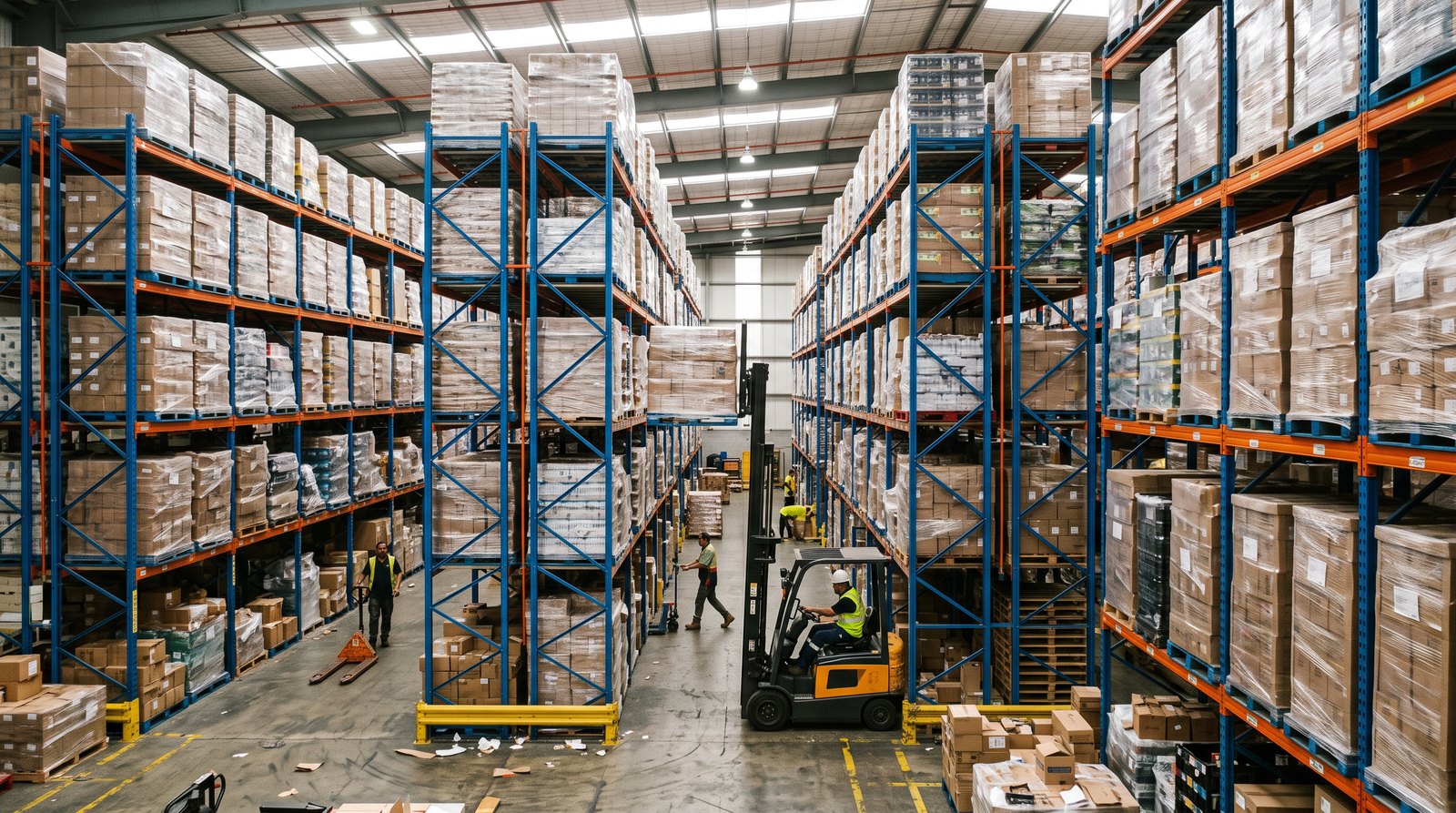
Seasonal Overflow Storage in Denver: How to Plan Peak-Season Warehouse Space
Seasonal overflow storage gives you extra pallet space for a defined window instead of a full-year lease. Here is how Denver shippers size, price, and schedule peak-season warehouse space without paying for capacity they never use.

Food-Grade Warehousing in Denver: What Shippers Actually Need to Qualify
Food-grade warehousing is not a single certification. It is a set of operational practices. Learn what Denver Express requires for ambient dry storage of packaged food products.
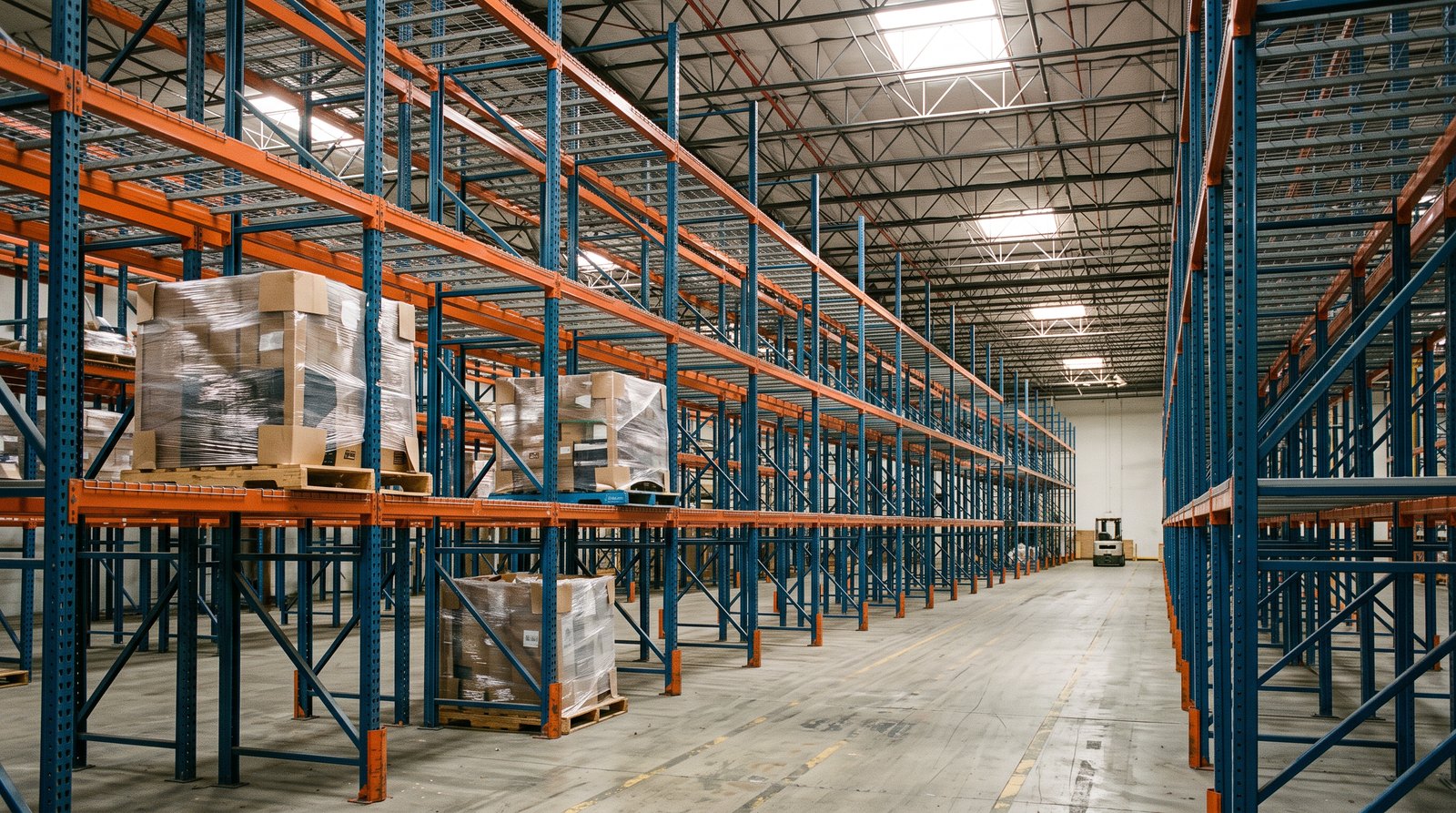
Short-Term vs Ongoing Warehouse Storage in Denver: Which Setup Fits Your Freight?
Compare short-term vs ongoing warehouse storage in Denver. Learn which setup fits your freight based on duration, movement cadence, access, and operational needs.
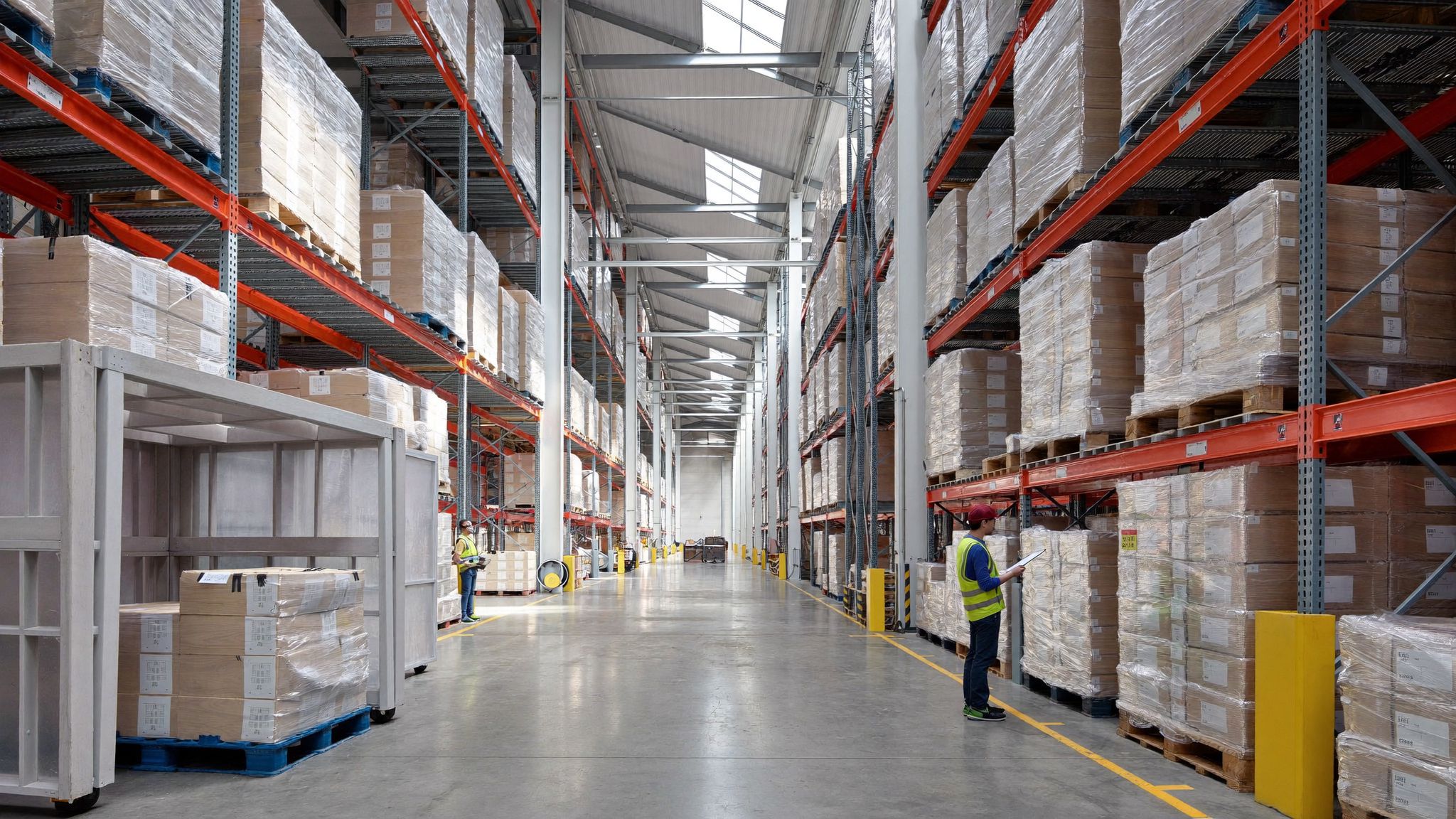
What Is Warehousing? A Plain-English Guide for Denver Shippers
Warehousing means paying a staffed facility to store your freight and handle it in and out. Learn what it includes, how it differs from cross-docking and rework, and when it pays off.