
Same-day freight rework is not just a speed question. It is a fit question, a scope question, and a timing question that has to be answered quickly. In Denver, the fastest recoveries usually happen when the facility can confirm the parts that are knowable right away and flag the parts that still depend on arrival condition, workload, or inspection. This guide explains what can usually be confirmed up front for same-day freight rework and what still needs a closer look.
What can a rework facility usually confirm up front for a same-day request?
The short answer is that a facility can usually confirm whether the request appears to fit rework, whether same-day service is plausible, what intake details are still missing, and what the likely first-step scope looks like. What it usually cannot confirm with certainty before arrival is the final labor time, the full extent of hidden instability, or whether the work will stay as simple as the first description suggests.
| What can usually be confirmed up front | Why it can be answered fast | What still depends on inspection |
|---|---|---|
| Whether the problem sounds like rework at all | The team can usually tell from the description whether the issue is shifted pallets, broken pallets, damaged wrap, rejection, or a likely need for repalletizing or weighing | Mixed cases may still turn into storage or cross-docking plus rework after review |
| Whether same-day is realistic to consider | ETA, current workload, receiving cutoff, and the load profile can indicate whether the request has a realistic same-day path | Final confirmation still depends on capacity and whether the shipment arrives as described |
| The likely first-step service path | A facility can often tell whether the load likely needs rewrap, repalletizing, weighing, assessment first, or a combination | The exact task mix can change once the trailer is opened or the affected pallets are counted |
| What missing details are blocking a fast answer | Missing photos, pallet counts, trailer type, or a clear outcome request are easy to spot early | Some missing facts only become obvious when the first visual review happens |
| Whether the request should be called in rather than emailed | Time-sensitive loads are easier to triage by phone when the schedule is tight | Call speed does not replace the need for photos and load facts |
| Whether a next-day or flexible plan may be safer | The facility can often tell when the same-day target is too aggressive based on timing and scope | The final schedule still depends on capacity, arrival timing, and the actual condition of the load |
Denver Express’s rework page already sets that expectation clearly. It says same-day service may be available depending on current volume and scheduling, asks for pallet count and approximate weight, what happened, trailer type and current location, the outcome needed, any deadline, and photos or rejection notes if available. It also tells urgent customers to call for the fastest confirmation.
Which shipment details make same-day freight rework easier to confirm?
Same-day requests move faster when the first message gives the facility a usable operating picture. The goal is not to predict every labor step in advance. It is to give the team enough detail to say whether the load belongs in the same-day lane at all.
The most useful inputs are usually the trailer type, pallet count, approximate weight, visible condition of the freight, what went wrong, and the outcome you think you need. Photos matter because same-day rework is often a visual decision first. A few clear images can show whether the issue looks like a quick rewrap, a broader repalletizing job, or something that may need a more cautious plan.
A realistic timing window also matters. “ASAP” is not as helpful as “arriving by 1:00 p.m., needs next-day delivery if same-day repair is not possible.” That kind of timing gives the facility something operational to work with.
What should you send before asking whether same-day is possible?
The best same-day rework request is short, visual, and specific. It should help the facility decide whether the job looks feasible today and what kind of intake path it belongs on.
Use this checklist before you call or email:
- What happened in plain language: shifted pallets, broken pallet, damaged wrap, rejected load, weight issue, or mixed instability
- Pallet count and approximate total weight
- Trailer type and current location
- Photos that show the overall load plus the problem area
- Rejection notes, if the receiver provided them
- The outcome you think you need: rewrap, repalletize, weigh, short hold, or assessment first
- Arrival timing and the latest usable receiving window
- Whether the load is same-day, next-day, or flexible if same-day is not available
- Any handling facts that change the plan, such as CHEP versus standard pallet preference or reefer status
Denver Express’s rework service intake form reflects this same logic, capturing urgency (same day, next day, or flexible), pallet count and approximate weight, what happened, the service needed, pallet type preferences, and optional uploads such as photos, rejection notes, and BOL documents.
If you already know the load needs freight rework in Denver, the appropriate next step is the freight rework services page, where loads can be rewrapped, repalletized, and prepared for delivery.
What usually cannot be promised before the load is seen?
This is the part many same-day pages skip, but it matters for both rankings and trust. A facility can often confirm fit and next steps quickly, but there are still parts of the job that normally stay conditional until the freight is seen.
The biggest unknown is scope expansion. A request that sounds like simple rewrap can become repalletizing once the trailer is opened. A load that seems partly affected may turn out to have more unstable pallets than the first photos suggested. The team may also need to confirm whether weighing is required, whether the freight can be safely unloaded as-is, and whether the next leg is already ready.
In other words, same-day feasibility is often confirmable up front, but exact labor depth is not. That difference is important because it helps the page stay useful without sounding like a guarantee.
What does this look like in real freight situations?
The best way to understand same-day confirmation is to compare a strong request with a weak one. In both cases the freight may be urgent, but only one arrives with enough information to support a confident early answer.
Scenario 1: A same-day request that can be scoped quickly
A broker calls with a dry van carrying 14 pallets, sends photos showing two leaning pallets and one torn wrap section, provides approximate weight, and explains that the receiver rejected the load that morning. The requested outcome is repalletize what is unstable, rewrap the rest if needed, and prepare for next-day redelivery.
That request gives the facility enough to confirm that the job appears to fit rework, that same-day handling may be possible if capacity allows, and that the likely first-step scope is rework rather than storage or cross-docking.
Scenario 2: A same-day request that stays too vague to confirm fast
A dispatcher emails “need same-day rework in Denver” with no photos, no pallet count, and no explanation of whether the issue is a rejection, damaged wrap, or a broken pallet. The trailer type is missing, and there is no arrival time or deadline beyond “urgent.”
That request may still be real, but the facility can only give a limited answer. It can ask for more information, but it cannot reliably confirm whether same-day is realistic, what service path is likely, or whether the job may expand once the load arrives.
What mistakes and red flags make same-day rework harder to confirm?
The most common mistake is asking for speed before confirming scope. Facilities can move quickly, but only if the first intake details are strong enough to support a real plan.
Common mistakes and red flags include:
- Saying “same-day” without an ETA or usable arrival window
- Sending no photos for a condition-based problem
- Asking for rework without saying what happened to the load
- Giving no pallet count or only saying “full truckload” when the affected scope may be smaller
- Describing the request as urgent without saying whether next-day is an acceptable fallback
- Treating a likely storage or cross-dock issue as rework before the freight condition is clear
- Assuming the load will fit the same-day window without considering the receiving cutoff or current capacity
A helpful rule is this: same-day rework is easier to confirm when the facility can picture the job before the truck reaches the dock.
What is the best next step when you think you need same-day rework?
If the load is time-sensitive, send the core details and call right away. That gives the team a working picture while the conversation is happening, which is much more effective than starting from a vague verbal description alone.
Denver Express’s contact guidance says calling is the fastest option for urgent or same-day loads, especially for rejected freight, missed appointments, or shifted pallets.
A practical next step is to use the rework services page to organize the right intake details before calling.
If you are not fully sure whether the problem belongs to rework, storage, or cross-docking, the best place to start is the services overview page, which breaks down each option and helps match your situation to the right service.
Loose air cargo is a common same-day case. The guide to air freight recovery from DIA to Aurora explains when to palletize and label before delivery.
Frequently asked questions
Can a facility confirm same-day freight rework without seeing the load?
It can often confirm whether same-day looks possible and what details are still missing, but the final scope usually remains conditional until the freight is seen or the photos are clear enough to support a confident assessment.
What is the most important thing to send first?
Usually the fastest combination is a short problem description, pallet count, approximate weight, trailer type, ETA, and a few clear photos. That gives the facility enough to judge fit and urgency.
Does same-day rework mean same-day redelivery too?
Not automatically. Same-day rework and same-day redelivery are related but separate timing questions. The freight may be stabilized the same day even if the next delivery appointment happens later.
What if the load might need rework plus short storage?
That should be mentioned up front. Some same-day recoveries are multi-step, and the facility needs to know whether rework is only the first phase of the plan.
External references
FMCSA cargo securement overview.
https://www.osha.gov/etools/powered-industrial-trucks/workplace/loading-docks
< Older Post
Newer Post >
More in Freight rework & recovery
Keep reading in this cluster

Receiver Rejected the Load: What Information Helps a Rework Facility Triage It Fast?
Learn what to send when a receiver rejects a load so a Denver rework facility can triage it quickly. Includes a decision table, checklist, examples, and common mistakes.
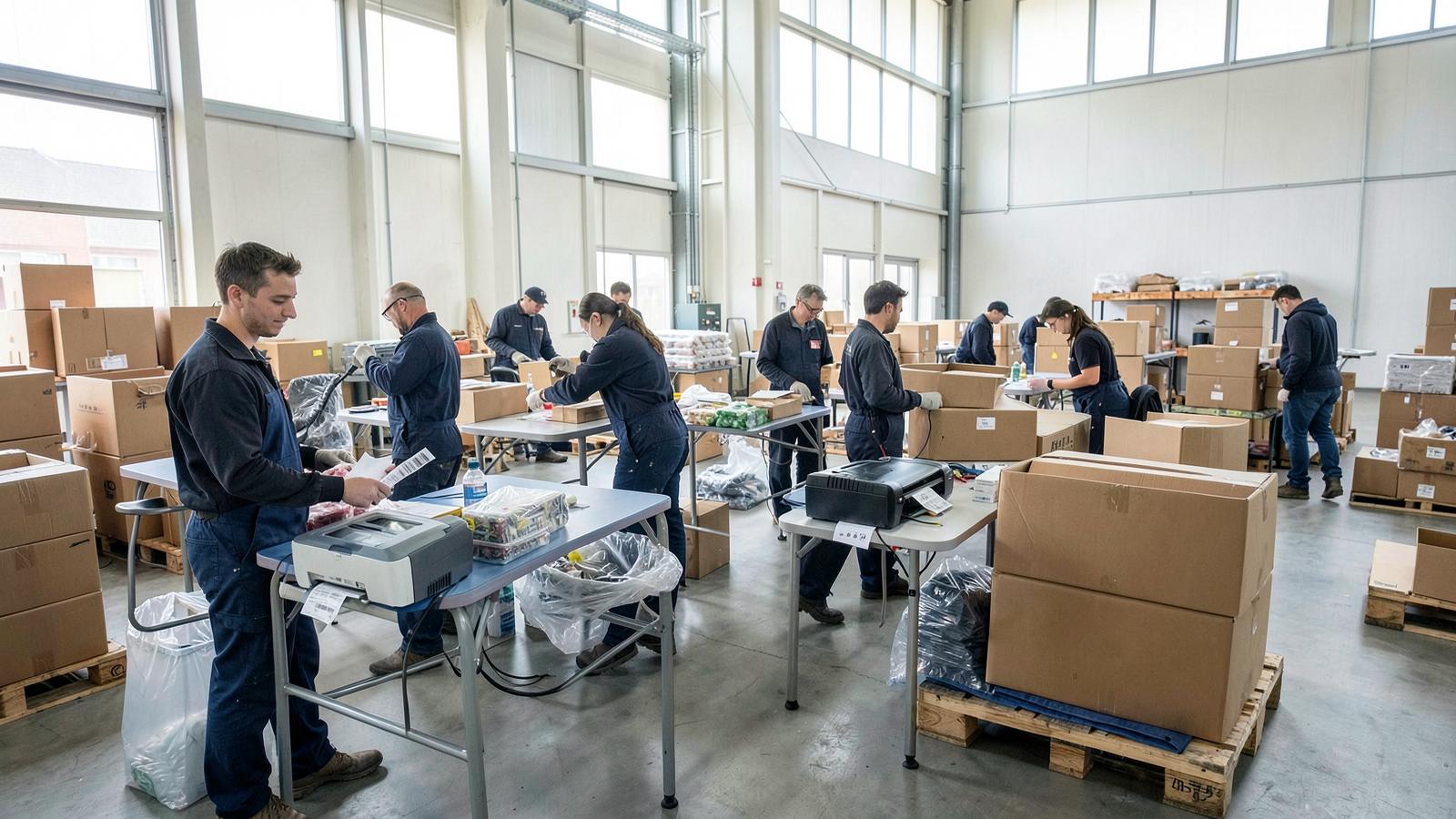
FBA Prep and Labeling in Denver: What Sellers Need Before Shipping In
Labeling, poly bagging, bundling, re-boxing, and pallet spec, done at the dock where your container lands. What gets shipments refused and what to send for an accurate per-unit quote.
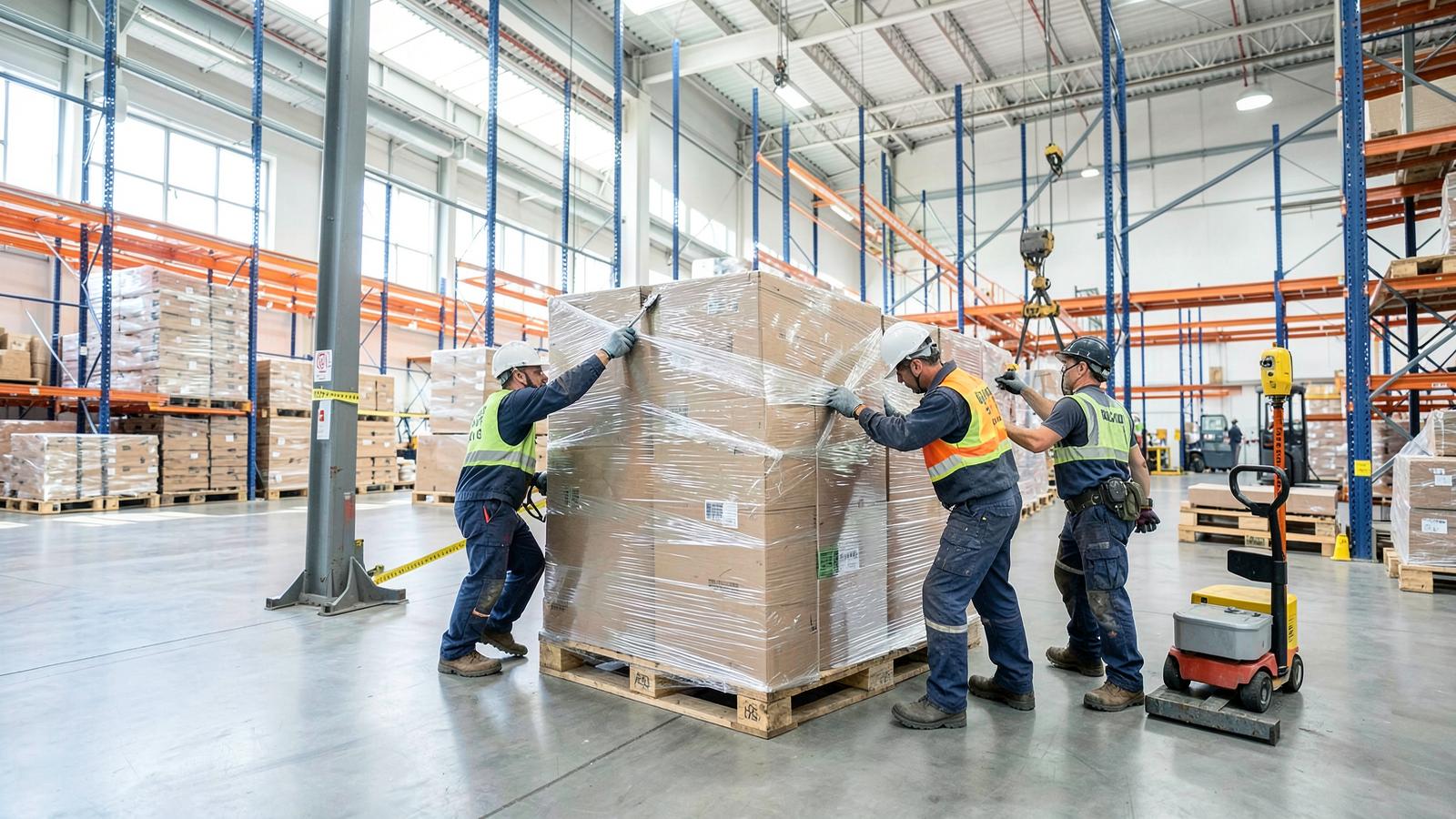
Retail Vendor Compliance Rework: Avoid Refusals and Chargebacks
Pallet height, overhang, pallet type, and label placement cause most retail refusals. How a pre-delivery compliance check in Denver fixes them for hours of labor instead of a deduction.
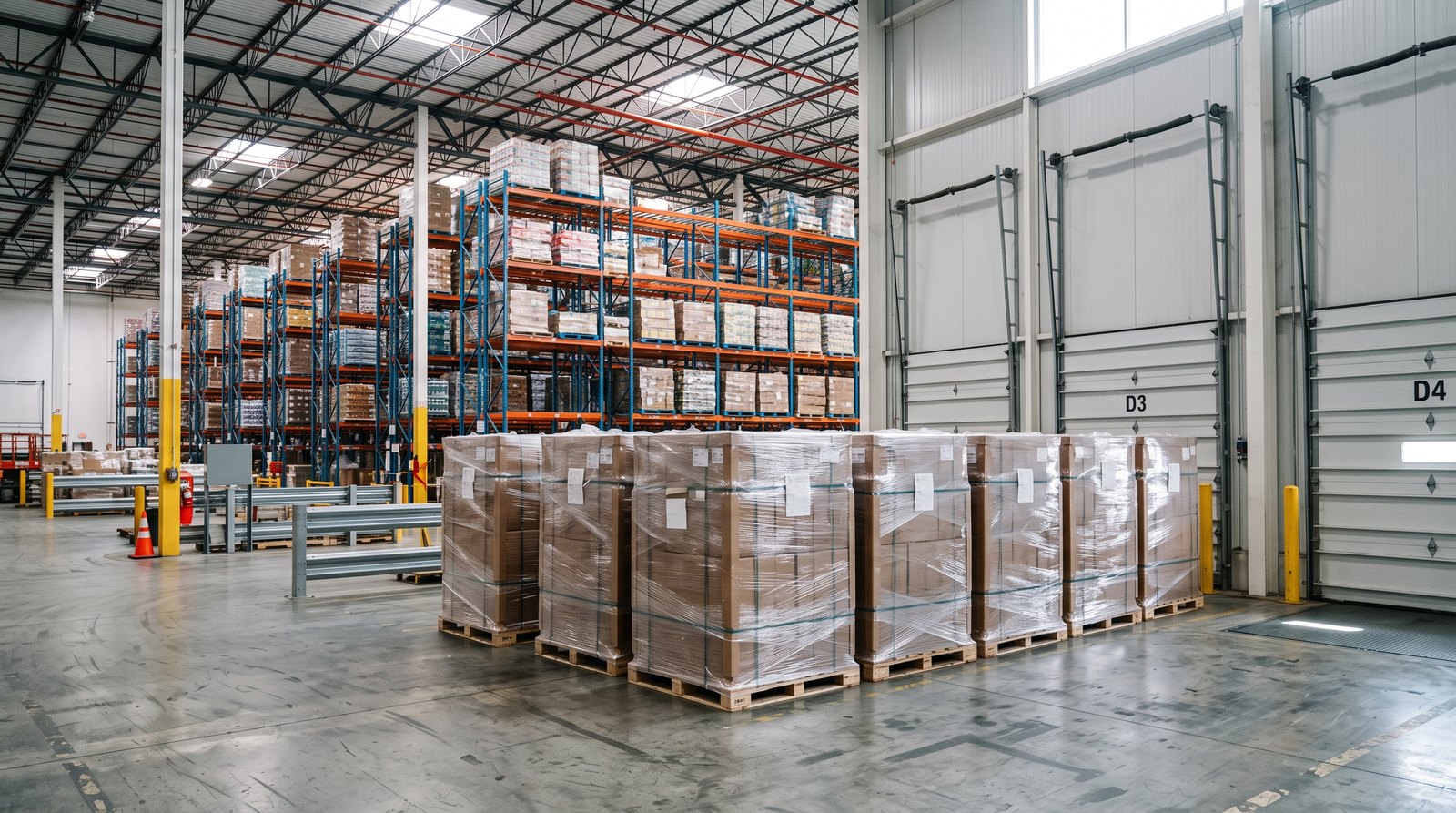
Cross-Dock, Short Storage, or Rework: Which Service Owns a Missed Delivery?
A missed delivery does not automatically mean storage or rework. The right Denver service depends on whether the problem is timing, hold length, or freight condition.