

When a receiver rejects a load, the next delay usually comes from missing facts, not just the rejection itself. A rework facility can move much faster when the first message explains what failed, what condition the freight is in now, and what outcome you need next. This guide focuses on the intake packet that helps a Denver rework team triage a rejected load quickly and route it to the right workflow.
What does a rework facility need to know first after a rejected load?
The direct answer is simple: the team needs to know what happened, how much freight is affected, where the trailer is now, and what kind of recovery you are trying to achieve. Triage is not the same as a full claim file or a full pricing exercise. It is the minimum operational picture needed to decide whether the load needs rework, short storage, a transfer, or some combination of those steps.
Denver Express’s rework page already frames the intake this way. It asks for what happened, pallet count and approximate weight, trailer type and current location, the outcome needed, any deadline, and photos or rejection notes if available.
| What to send | Why the facility needs it | What good detail looks like | What happens without it |
|---|---|---|---|
| What happened at the receiver | The team needs the trigger event, not just the word rejected | You can describe the issue in plain language, such as shifted pallets, torn wrap, broken pallet, wrong pallet type, or weight verification needed | The facility cannot tell whether the job is rework, storage, transfer, or a mixed workflow |
| Pallet count and approximate weight | Labor, equipment, and urgency all depend on the size of the problem | You know how many pallets are affected, or you can say the affected scope is still being assessed | The team has to guess whether this is one-pallet repair or a larger load recovery job |
| Trailer type and current location | The next move depends on how the freight is sitting now and where it is | You state dry van, reefer, container, or flatbed, plus whether the trailer is still at the receiver, nearby, en route, or already at the dock | Scheduling becomes slower because the team cannot picture the arrival plan |
| Outcome needed | The rework scope changes if you need rewrap, repalletize, weigh, short hold, or reload | You describe the target outcome clearly, even if the exact fix may change after inspection | The job sounds urgent but the endpoint is still unclear |
| Deadline or timing window | Same-day, next-day, and flexible requests are not planned the same way | You give a real window tied to the next delivery attempt, driver availability, or appointment risk | The request may be treated as vague even when the load is truly urgent |
| Photos and rejection notes | Images and written refusal notes reduce guesswork faster than a long email thread | You send one wide shot, a few closeups, and any written rejection note that explains what the receiver would not accept | The team may have to re-scope the job later when the true condition becomes visible |
Which details tell you whether this is rework, storage, or a transfer problem?
A rejected load does not always mean rework is the only service involved. Sometimes the receiver turned the freight away because the load is unstable and must be rebuilt before redelivery. Other times the freight is still stable, but the appointment failed and the real need is short-term storage or a controlled transfer.
That is why the first intake message should separate condition from timing. If the freight cannot move as loaded, rework usually owns the problem first. If the freight can move as loaded but cannot go to the receiver right now, the issue may belong to storage or cross-docking instead.
If the service fit is still unclear, the appropriate next step is to start with the services overview page, which outlines available options and helps route you to the right solution based on your situation.
What should your rejected-load triage packet include?
The best triage packet is short, visual, and operational. It should let the facility decide what kind of labor, equipment, and timing the situation requires without forcing a long back-and-forth before the load even arrives.
Use this checklist before you call or email:
- What happened in plain language: shifted pallets, torn wrap, broken pallet, refusal for pallet type, packaging issue, weight concern, or other visible problem
- Pallet count and approximate weight, including whether the whole load or only part of it is affected
- Trailer type and current location
- Current load condition: stable, leaning, collapsed, mixed, floor-loaded, or partly damaged
- Outcome needed: rewrap, repalletize, weigh, short hold, reload, or assessment first
- Timing window: same-day, next-day, or flexible
- Photos: one wide photo of the trailer or load plus closeups of the problem area
- Rejection notes, if the receiver gave them in writing
- Bill of lading or shipment reference so the load can be identified quickly
- Special notes that change the handling plan, such as reefer status, seal information, appointment pressure, or CHEP versus standard pallet preference
Denver Express’s live rework intake already uses most of these same inputs, including urgency, pallet count and approximate weight, what happened, service needed, pallet type preference, and optional uploads for photos, rejection notes, and BOL. The page also says same-day service may be available depending on volume and scheduling, and after-hours or weekend service may be available by appointment.
What does fast triage look like in real freight situations?
The fastest rejected-load recoveries usually start with a message that shows the team exactly what kind of problem is sitting on the trailer. Two rejected loads may both be urgent, but one may still be easy to scope while the other remains unclear until photos or notes arrive.
Scenario 1: Receiver rejects two leaning pallets with written notes
A carrier sends a quick message that says the receiver rejected two leaning pallets out of 18, includes three photos, provides the pallet count and approximate load weight, notes that the trailer is still on site, and attaches the receiver’s refusal note. The broker also says the likely outcome is repalletize and rewrap, with next-day redelivery if the load can be stabilized.
That is a strong triage packet. The rework facility can already see the affected scope, the likely service path, and the urgency window before the first phone call ends.
Scenario 2: “Rejected load, need help ASAP” with almost no load facts
A dispatcher sends a two-line request that says only “rejected load in Denver, need help ASAP.” There are no photos, no pallet count, no trailer type, no explanation of what the receiver objected to, and no clue whether the freight is unstable or simply cannot be delivered today.
That request sounds urgent, but it is weak for triage. The facility still has to uncover whether the job is rework, short storage, or cross-docking before it can schedule the right next step.
What mistakes and red flags slow rejected-load triage?
The biggest mistake is treating the rejection itself as the whole story. A rework team still needs to know what the load looks like now, what changed at the receiver, and what the next move is supposed to accomplish.
Common mistakes and red flags include:
- Saying only “rejected load” without explaining the visible issue
- Not separating the affected pallets from the unaffected part of the load when only part of the shipment failed
- Leaving out trailer type or current location
- Sending no photos when the problem is visual and condition-based
- Asking for “rework” without saying whether you expect rewrap, repalletizing, weighing, or just an assessment first
- Waiting too long to share the receiver’s written note or refusal reason
- Turning the first message into a full claims packet instead of a fast triage packet
- Forgetting special handling facts that change the plan, such as reefer status or pallet type requirements
A practical rule helps here: send enough to let the facility picture the load in one pass. If the team can picture the problem, triage gets faster.
What should you do next if the load is time-sensitive?
If the load is time-sensitive, send the triage packet first and then call. That approach gives the facility something concrete to review while the conversation is happening, which is much more efficient than trying to describe the problem from memory.
Denver Express’s contact page says calling is the quickest option for urgent or same-day loads, especially when the situation involves rejected freight or shifted pallets.
If the load clearly needs rework, the appropriate next step is the load rework services page.
If you still need help deciding whether the issue falls under rework, storage, or cross-docking, the best place to start is the services overview page, which outlines each option and helps guide you to the right solution based on your situation.
Frequently asked questions
Do I need a full claim file before a rework facility can help?
Not usually. A rework facility usually needs an operational triage packet first, not a full claims package. The purpose is to scope the handling problem and next step quickly.
What if I do not know the exact pallet count yet?
An estimate is usually better than silence. It helps to say whether the whole load is affected or only part of it, and whether the final count still needs assessment after arrival.
Are photos really that important?
Yes. For condition-based rejections, photos often reduce more back-and-forth than a long written explanation. A wide shot plus a few closeups is usually enough to speed the first triage decision.
What if the load may need storage after rework?
That should be mentioned in the first message if you already suspect it. A rejected load can become a multi-step workflow, and the facility needs to know whether rework is only the first phase.
External references
Loading dock safety.
< Older Post
Newer Post >
More in Freight rework & recovery
Keep reading in this cluster

Same-Day Freight Rework in Denver: What Can Usually Be Confirmed Up Front?
Need same-day freight rework in Denver? Learn what a facility can usually confirm up front, what details help fast triage, and what still depends on inspection and capacity.
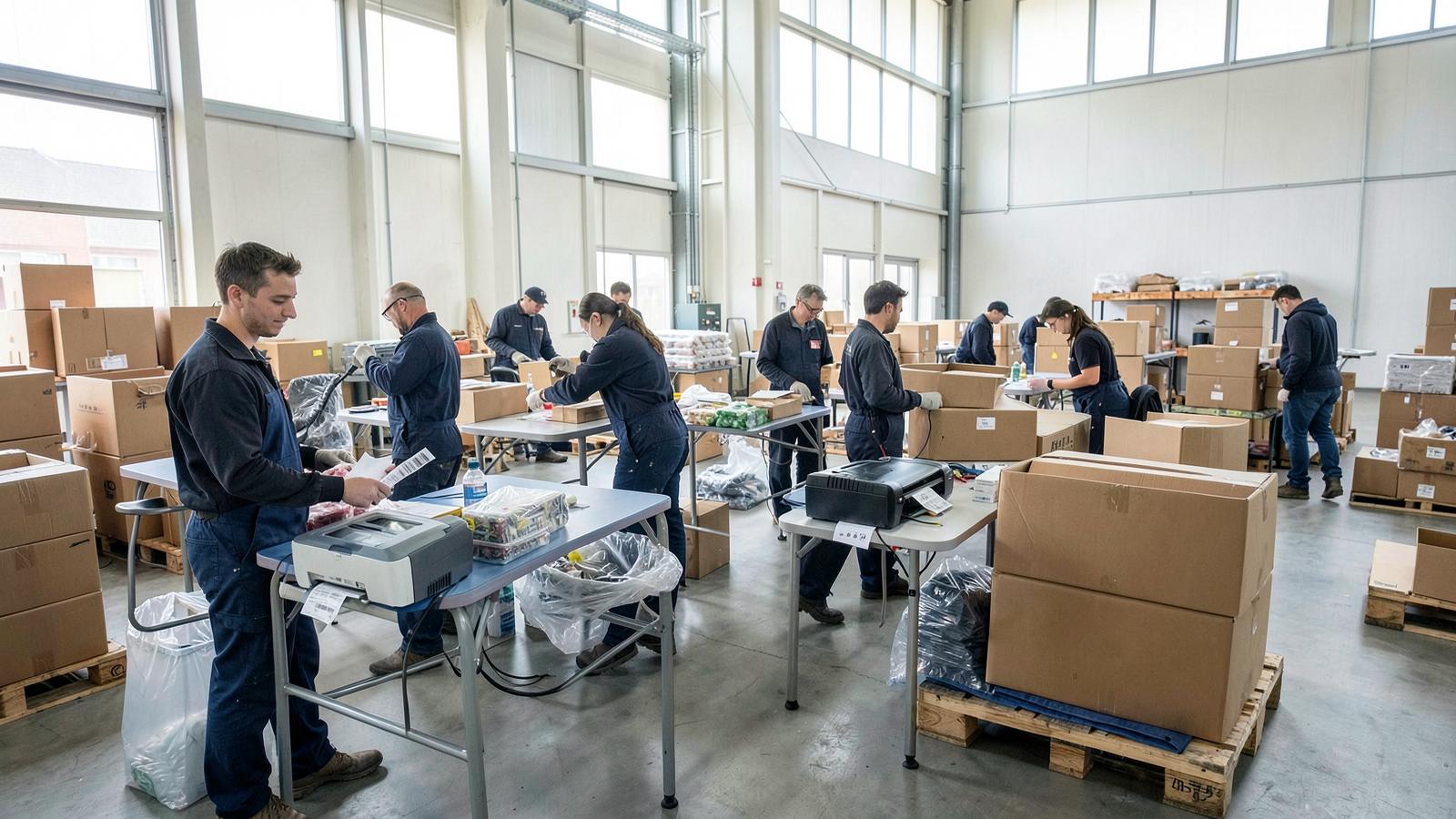
FBA Prep and Labeling in Denver: What Sellers Need Before Shipping In
Labeling, poly bagging, bundling, re-boxing, and pallet spec, done at the dock where your container lands. What gets shipments refused and what to send for an accurate per-unit quote.
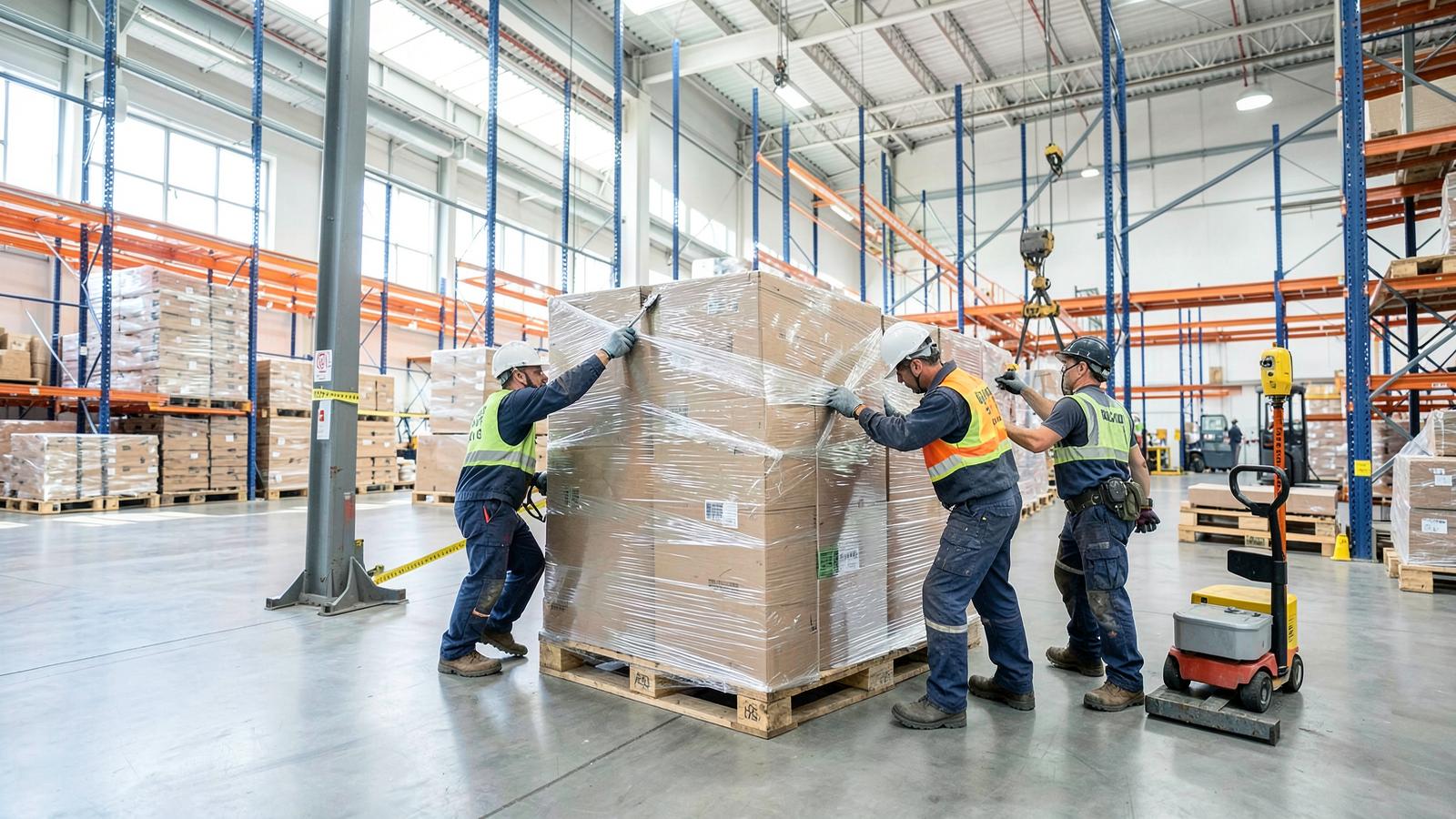
Retail Vendor Compliance Rework: Avoid Refusals and Chargebacks
Pallet height, overhang, pallet type, and label placement cause most retail refusals. How a pre-delivery compliance check in Denver fixes them for hours of labor instead of a deduction.

Cross-Dock, Short Storage, or Rework: Which Service Owns a Missed Delivery?
A missed delivery does not automatically mean storage or rework. The right Denver service depends on whether the problem is timing, hold length, or freight condition.