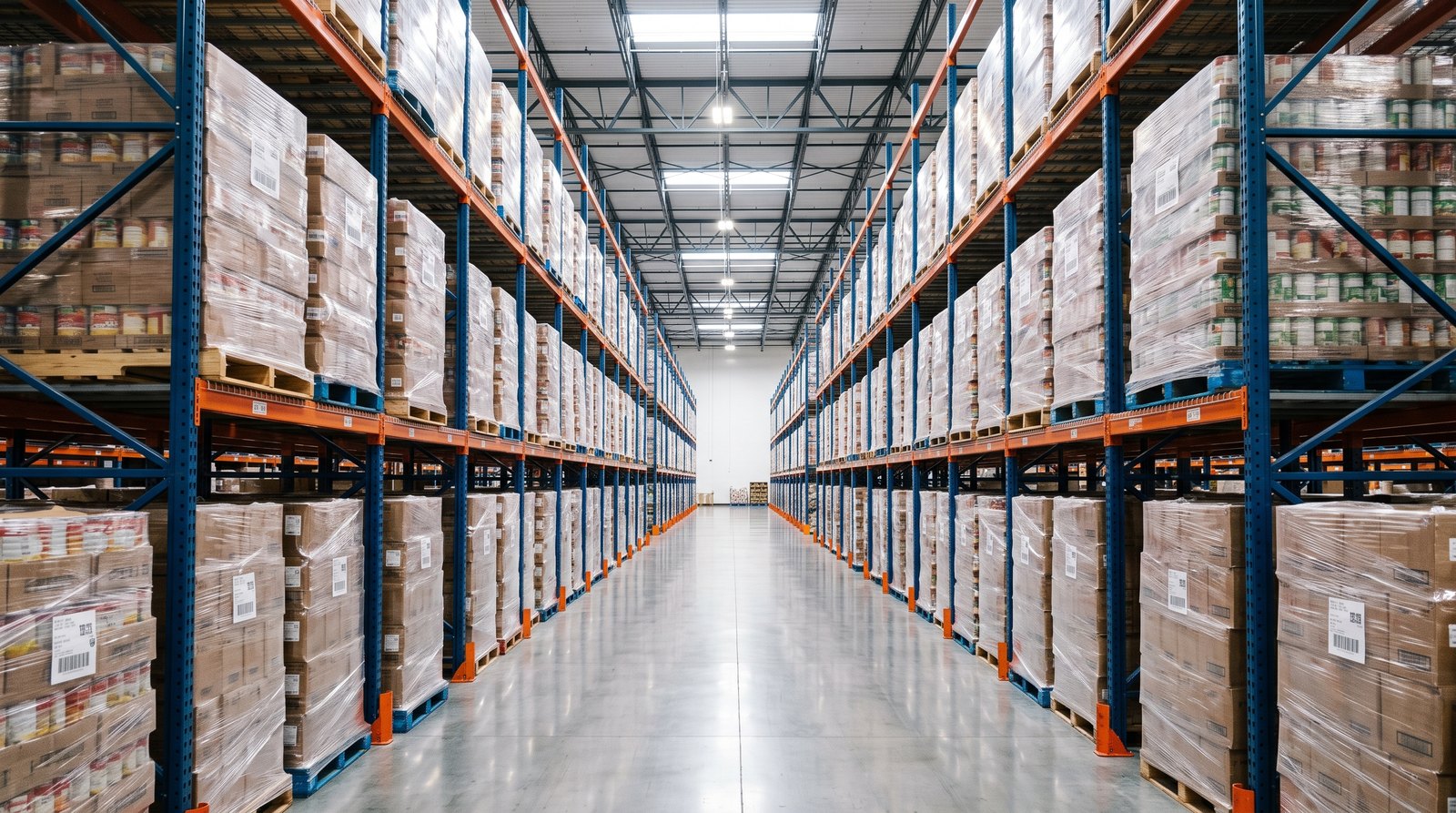
If your freight involves packaged dry goods, shelf-stable food products, or non-perishable consumables, you may need more than a standard pallet rack. You need a facility that actively maintains food-grade conditions - pest control, sanitation protocols, no chemical co-storage, and flooring designed to stay clean. Denver Express has operated a food-grade warehousing facility in Denver since 1998, and what qualifies a warehouse as food-grade is often less obvious than shippers expect. This post covers what the designation actually means operationally, which products typically qualify, and what to confirm before requesting space.
What "Food-Grade" Actually Means at the Dock Level
"Food-grade" is not a single federal certification - it's a collection of operational practices that together make a warehouse suitable for storing food and food-adjacent products. At the dock level, it typically means active pest management with regular third-party inspections, chemical segregation so cleaning products and lubricants are physically separated from food inventory, sealed or epoxy-coated flooring that can be cleaned without contamination risk, documented sanitation schedules with a chain of custody, and pallet and equipment standards that keep CHEP and standard wood pallets in serviceable condition.
Each of these matters independently, but they work as a system. A warehouse that has good pest control but stores cleaning chemicals in the same bay as food pallets isn't truly food-grade. The documentation piece is often underestimated - if your downstream customer runs audits, they'll ask for inspection logs, not just a verbal assurance.
Denver Express's 60,000+ sq ft facility near I-70 and I-270 has maintained these standards for over 25 years. The building was purpose-operated as a warehousing facility from the start, which matters - retrofitted spaces often miss structural details that a purpose-built warehouse gets right.
Ambient Dry Storage: What It Includes and What It Doesn't
This is where many shippers get tripped up. Denver Express's food-grade warehousing is ambient dry storage - temperature-stable and climate-controlled to prevent extreme fluctuation, but not refrigerated and not frozen. If your product requires cold chain management, a controlled temperature range below ambient, or any form of refrigeration, this facility is not the right fit and it's worth knowing that upfront before you spend time on a quote.
What ambient dry food-grade storage covers well: packaged and canned shelf-stable goods, dry ingredients like flour, sugar, grains, and spices in sealed packaging, snack foods and non-perishable retail consumables, supplements and vitamins in packaged form, cleaning and household products that require food-grade co-storage, and food-service supplies like napkins and disposable packaging that move alongside food inventory.
What it doesn't cover: fresh produce, meat, dairy, anything requiring a temperature-controlled log, or pharmaceutical products with narrow climate requirements. Denver's altitude (5,280 ft) is worth mentioning - warehouse temperatures stay stable, but shippers moving product in and out should plan for ambient exterior conditions, particularly in summer and winter months.
Which Products Typically Qualify
The short test: if your product would be legal to store in a standard grocery distribution center's ambient section, it likely qualifies here. Products that regularly come through Denver Express include shelf-stable packaged foods, retail beverage pallets, dry food-service supplies, and packaged supplements.
Products that don't qualify - even if they are technically food products - include anything requiring refrigeration, anything with a continuous cold chain requirement, raw ingredients in bulk unpacked form like flour in open totes, and products that have been recalled or flagged by FDA or USDA pending disposition. Knowing this upfront saves time on both sides. If you're not sure where your product lands, describe the product type and packaging format when you contact Denver Express directly.
Documentation Shippers Typically Need to Provide
Food-grade storage often involves a paper trail that standard warehousing doesn't require. Depending on your downstream customer's requirements or your own internal compliance needs, you may be asked for a product description and SDS for anything adjacent to food (supplements, cleaning products, food-contact materials), lot numbers and expiration data if your customer requires FIFO rotation or lot traceability, pallet specs and weight for load planning up to Denver Express's 30 ft storage ceiling, and an intake schedule with dwell time expectations so short-term and longer-term storage can be handled appropriately.
The lot traceability piece is worth flagging early. Not all warehouse operations are set up to manage FIFO tracking at no extra cost, and if your downstream customer requires it, that needs to be part of the conversation before intake - not after. Review the short-term warehouse storage checklist for what's needed before same-week intake.
Pre-Request Checklist: What to Confirm Before Calling
Before requesting food-grade warehouse space, confirm these items on your end: product is shelf-stable, packaged, and ambient-temperature appropriate; no refrigeration or temperature logging is required; pallet count, dimensions, and weights are known; expected dwell time is identified; intake date and delivery window is confirmed with your carrier; any FIFO or lot-tracking requirements are documented; and your downstream recipient's food-grade requirements are known, since some customers require specific facility certifications.
For building an accurate quote request, the warehouse quote checklist covers the full data set a facility needs to price space and handling accurately. Sending that upfront typically avoids a back-and-forth that adds days to the process.
When Warehousing Is Part of a Larger Freight Move
Food-grade storage at Denver Express often works in combination with other services. A common scenario: a container arrives at the facility via cross-docking, the product is unloaded and palletized, held in food-grade storage for a short window, then staged for outbound delivery. In some cases, product that arrives with packaging issues - shifted loads, damaged wrap, mixed pallets - goes through freight rework before it's storage-ready. If you're trying to figure out which service your freight situation calls for, the guide on warehousing vs cross-docking vs rework is a useful place to start.
A Note on Facility Audits
Some shippers - particularly those supplying large grocery chains or food-service distributors - need to provide documentation that their storage facility meets specific standards before they can use it. If your customer has requested a facility audit or third-party certification, ask about that directly when you reach out. Facility requirements vary significantly by customer and program, and confirming fit before committing to a storage arrangement saves everyone time.
If your product is shelf-stable, dry, and heading in or out of the Denver metro area, Denver Express's food-grade warehouse at 5503 Havana St has handled this type of freight since 1998. To check availability and confirm your product fits, contact Denver Express at 303-289-4343 or info@denverexpressco.com.
More in Warehousing & storage
Keep reading in this cluster
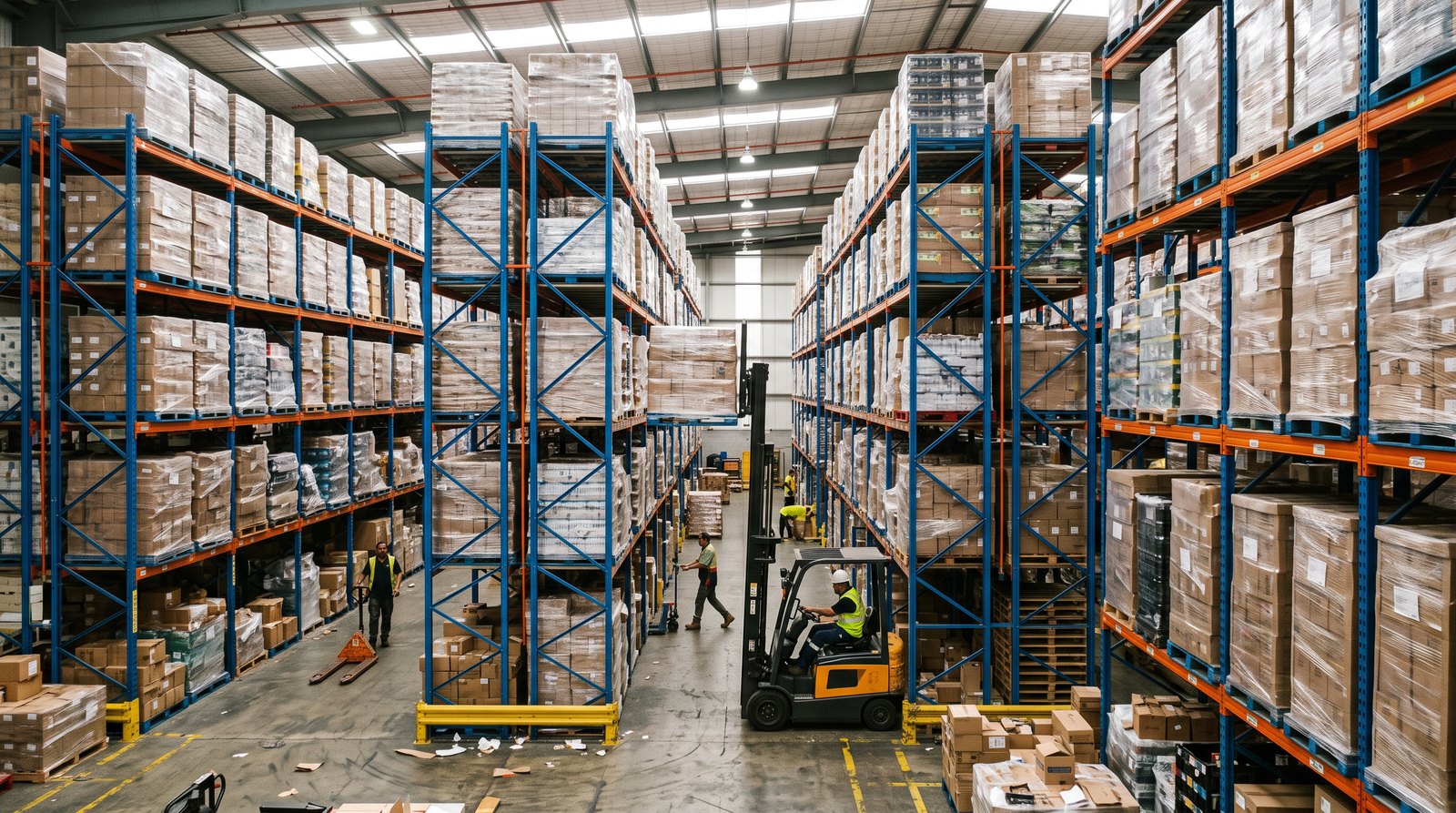
Seasonal Overflow Storage in Denver: How to Plan Peak-Season Warehouse Space
Seasonal overflow storage gives you extra pallet space for a defined window instead of a full-year lease. Here is how Denver shippers size, price, and schedule peak-season warehouse space without paying for capacity they never use.
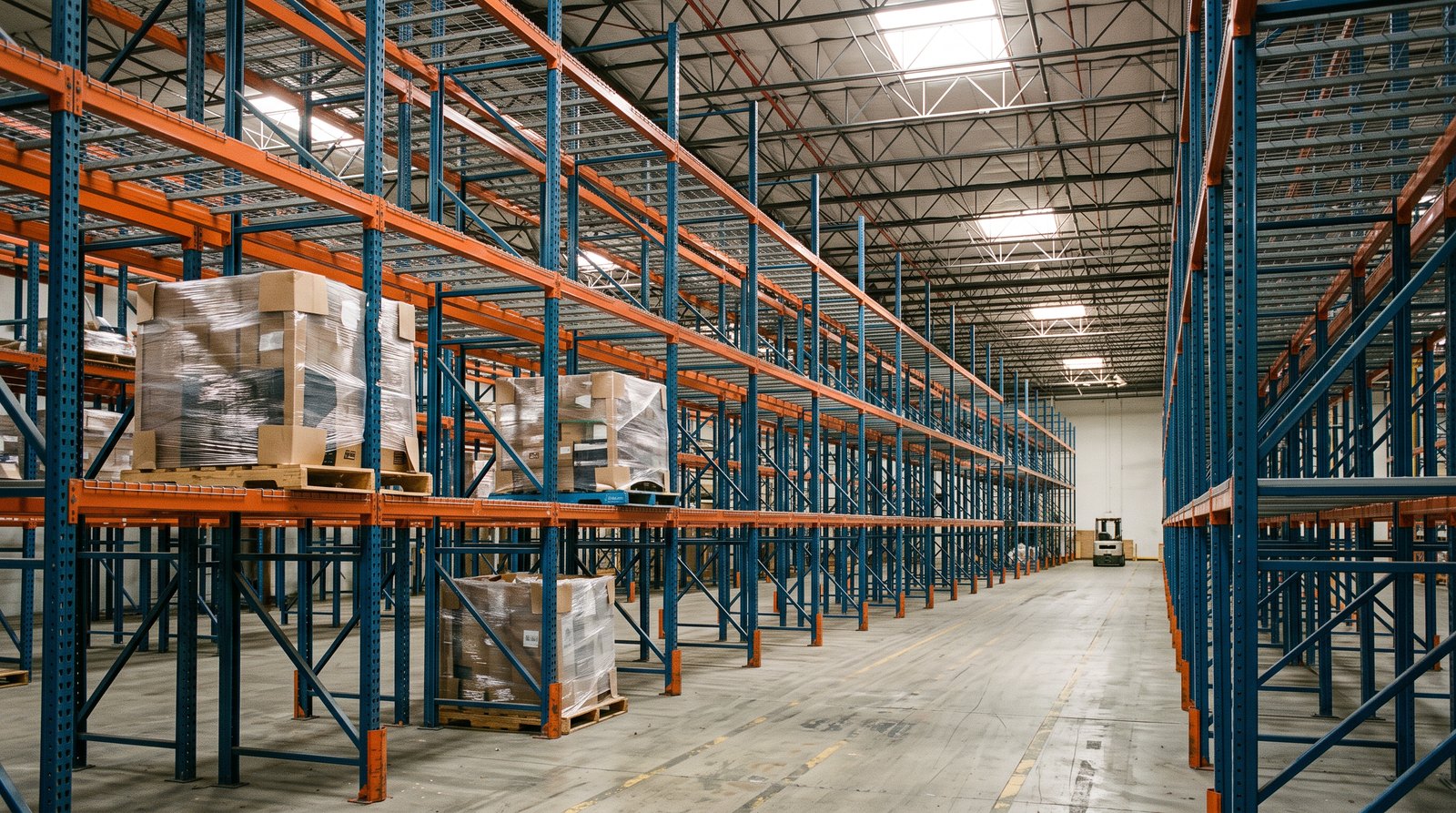
Short-Term vs Ongoing Warehouse Storage in Denver: Which Setup Fits Your Freight?
Compare short-term vs ongoing warehouse storage in Denver. Learn which setup fits your freight based on duration, movement cadence, access, and operational needs.
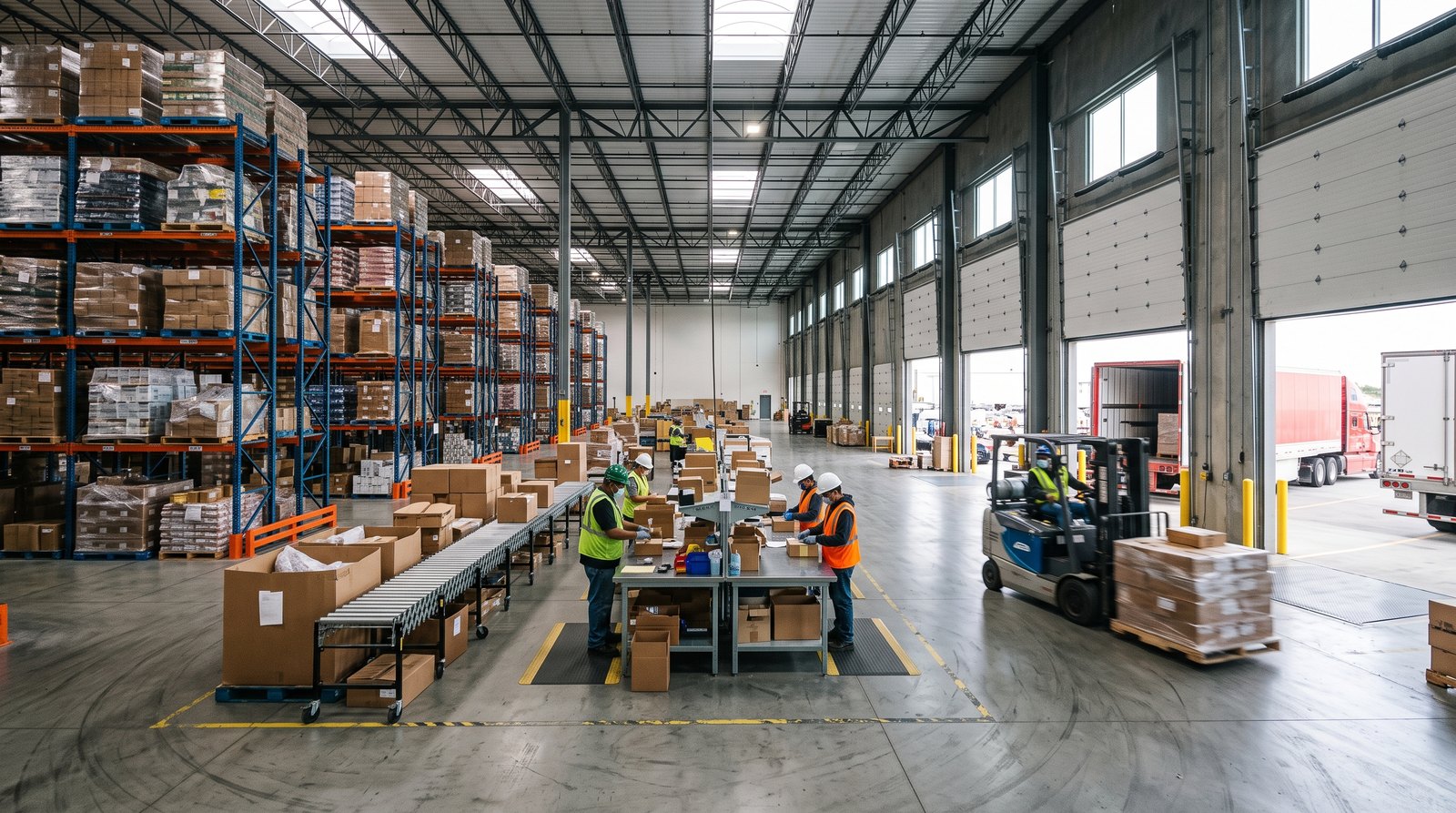
Warehousing vs Cross-Docking vs Rework in Denver: Which Service Owns Your Freight Problem?
Not sure whether your freight problem calls for warehousing, cross-docking, or rework in Denver? Use this guide to match the shipment issue to the right service.
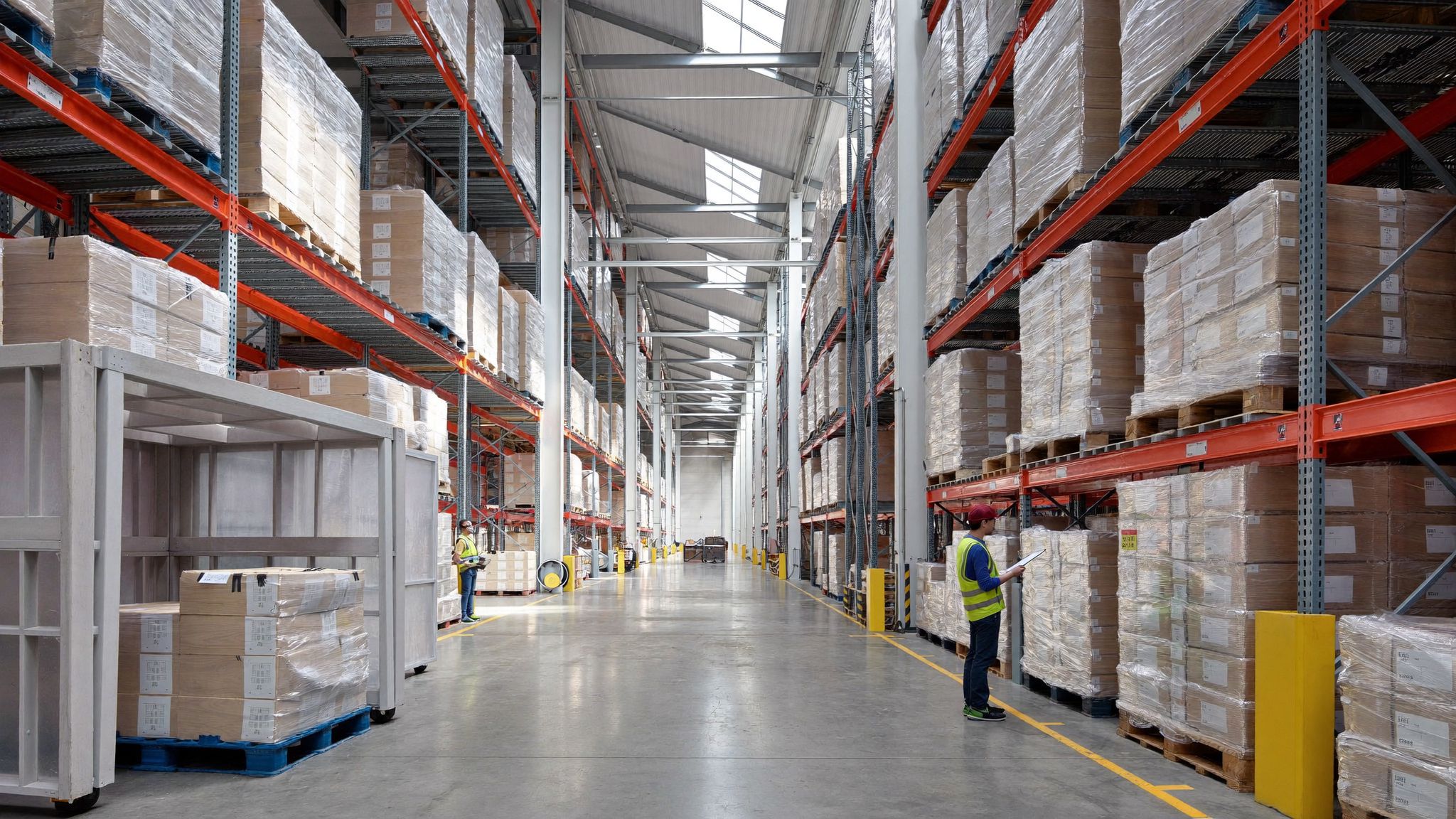
What Is Warehousing? A Plain-English Guide for Denver Shippers
Warehousing means paying a staffed facility to store your freight and handle it in and out. Learn what it includes, how it differs from cross-docking and rework, and when it pays off.