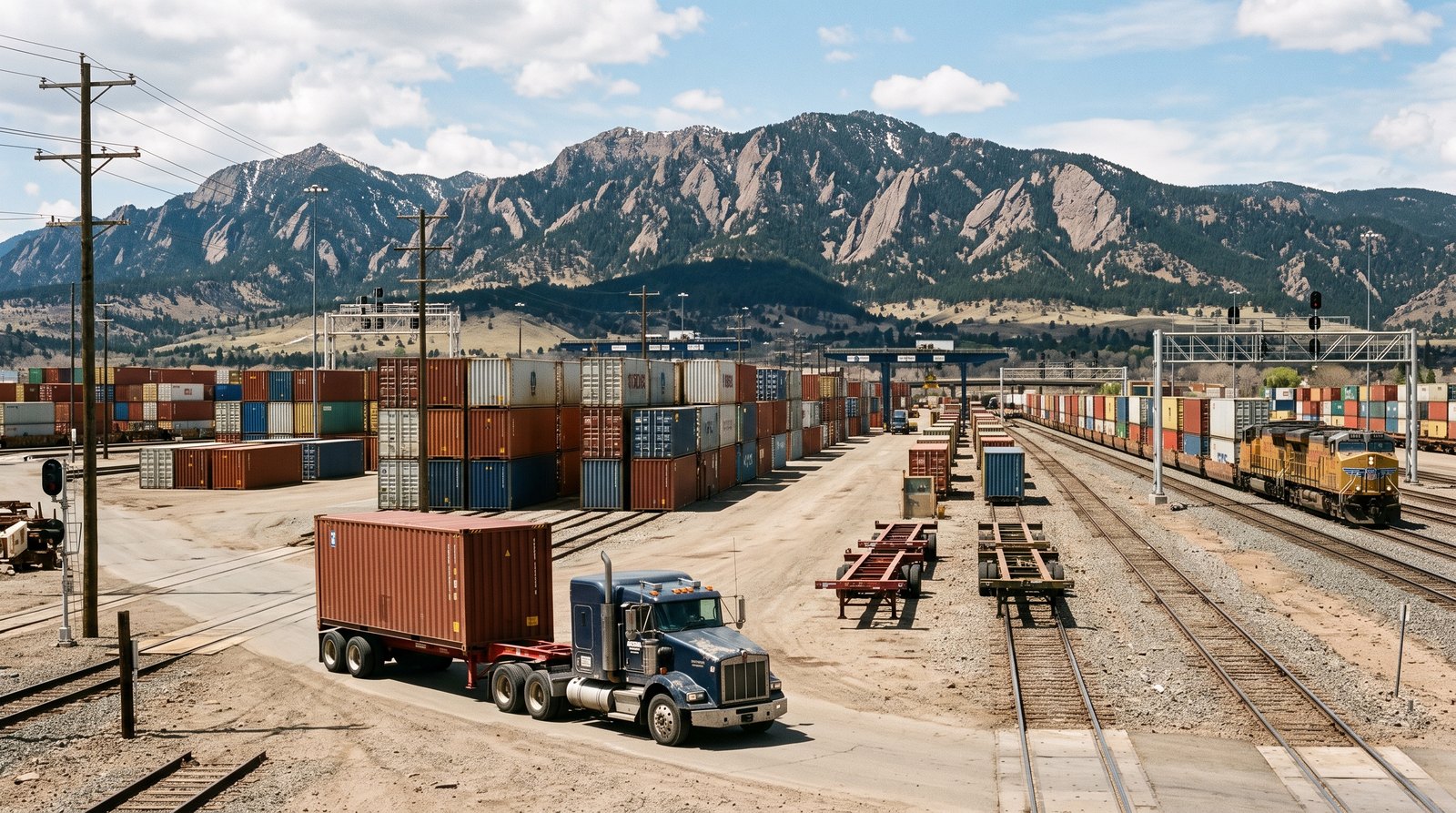
Intermodal freight - moving cargo by rail container for the long haul, then transferring to a truck for final delivery - is one of those logistics options that sounds straightforward until you look at what it actually takes to execute it well in a specific market. For Denver, intermodal moves typically involve a rail origin on one of the major western corridors, a dray truck pickup at a rail ramp, and a handoff at a local facility for transfer to the final outbound carrier. That middle stop - the cross-dock or transload facility - is where a lot of intermodal moves either stay on schedule or fall apart. This post covers when intermodal makes sense for Denver-area freight vs standard truckload, what happens at the facility in between, and what shippers and brokers need to plan before booking an intermodal move through Denver.
What Intermodal Freight Actually Involves
At its core, intermodal freight uses more than one mode of transportation in a single move without unloading the cargo between modes. In practice, for domestic US freight, this almost always means a 53 ft domestic container (or international 20/40 ft ISO container) loaded at origin, the container moving by rail on a flatcar for the long-distance portion, a local dray truck picking the container up from the rail ramp, and the container going to a transloading or cross-dock facility for transfer to a local delivery truck.
For Denver, the nearest major rail ramps are the BNSF and UP facilities in the metro area, which connect to the major western and transcontinental rail corridors. A shipment originating in Southern California, the Pacific Northwest, or the Midwest can move by rail to Denver and be transferred to local delivery within a predictable window - if the intermodal legs are properly coordinated. The transload or cross-dock step is where a facility like Denver Express comes in. Visit the intermodal services page to see how Denver Express supports these moves.
When Intermodal Makes Sense vs Standard Truckload
Intermodal is not always cheaper or faster. The honest answer is that it depends on the lane, the freight type, and the lead time available. Intermodal consistently performs well on long-distance lanes (typically 700 miles or more), non-time-critical freight with predictable volume, and shipments where carrier availability is a concern. Standard truckload wins on urgent deliveries, tight windows, fragile or high-value freight, and shorter regional lanes where the rail overhead isn't worth it.
The lane where intermodal delivers real cost savings is transcontinental and long-haul: West Coast to Denver, Midwest to Denver on a regular cadence, or routes where driver availability creates rate volatility. When volume is consistent and transit flexibility exists, the cost per mile on rail is meaningfully lower than truckload. Where truckload is the better call: anything with a hard delivery appointment, freight that can't handle extra handling touches, or a move under 500 miles where rail adds overhead without proportional savings.
What Happens at the Denver Cross-Dock in an Intermodal Move
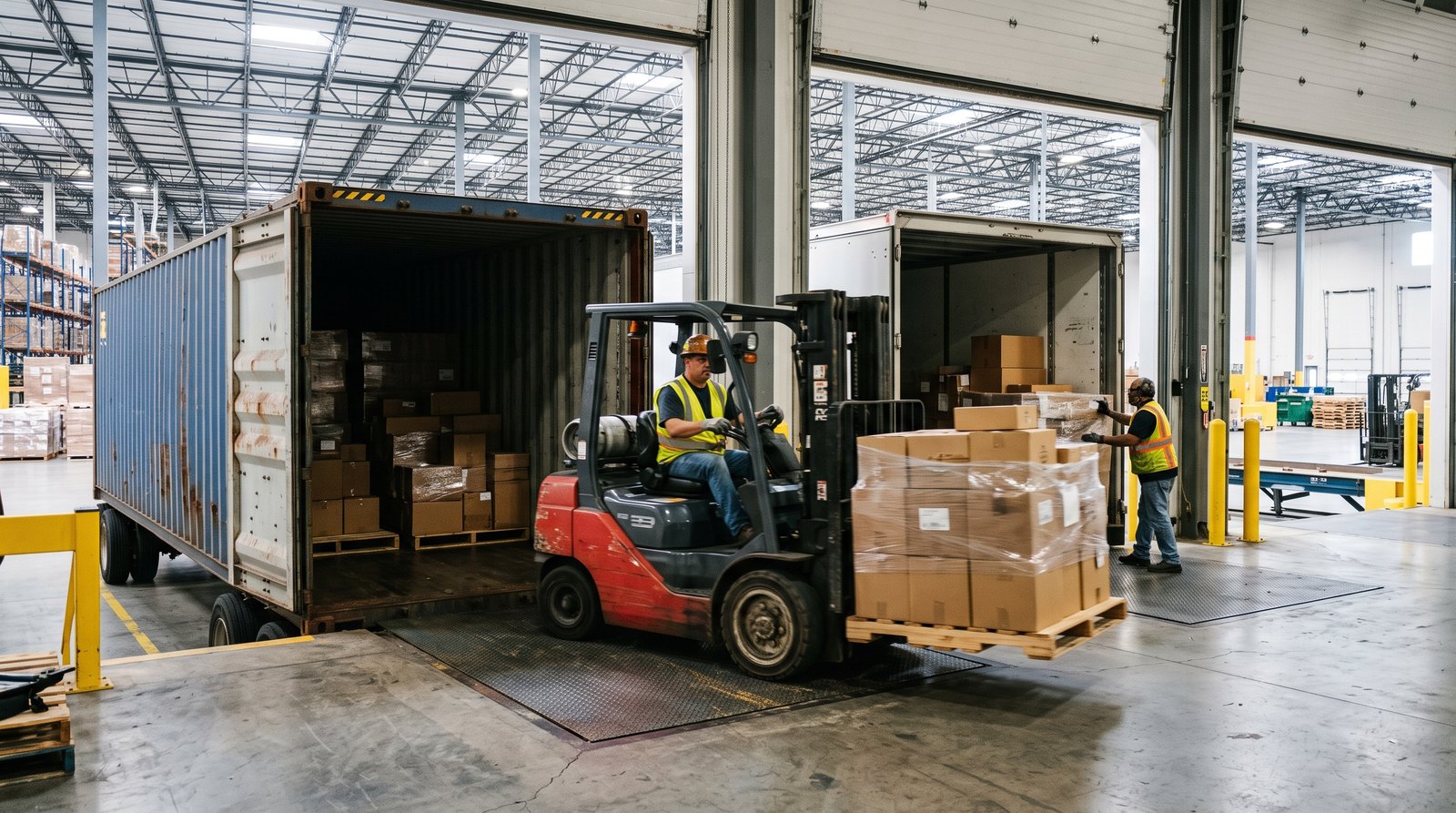
The transload or cross-dock step is often under-planned in intermodal moves, which is why it's worth understanding specifically. When a dray truck delivers a container to Denver Express, the container is brought to the dock for unloading, freight is unloaded (floor-loaded containers by hand-stacking onto pallets, palletized containers by forklift), freight is inspected and staged for the outbound carrier (this is the point where any OS&D - overage, shortage, or damage - should be documented), outbound freight is loaded to a local delivery truck or held in short-term warehousing if the delivery window isn't immediate, and the empty container is released back to the dray carrier for return to the rail ramp.
For floor-loaded containers - common in import intermodal moves - the unloading step is more labor-intensive than a pre-palletized domestic container. Planning for that additional handling time matters when you're setting delivery commitments with the final recipient. In some intermodal moves, freight arrives in good shape and transfers cleanly. In others, a load shifts during the rail portion, packaging is damaged, or pallet configuration changes. Denver Express handles freight rework - repalletizing, shrink wrapping, weighing, restacking - in-house, which means issues that turn up at the transload step don't require a separate stop.
Intermodal vs Truckload: A Decision Framework
- Use intermodal if: the lane is 700 or more miles, you have 2-5 days of transit flexibility, volume is consistent enough to justify container coordination, and freight is durable enough to handle the extra handling touches involved in a rail plus dray plus transload move.
- Use standard truckload if: the delivery window is tight, the lane is regional (under 500 miles), freight is fragile or high-value, or you need driver-level accountability through the full move.
- Use a Denver transload or cross-dock in either case if: you need to transfer between container and local trailer, you need short-term storage between the rail ramp pickup and final delivery, or your freight needs rework before it's delivery-ready.
For a deeper look at how cross-docking vs transloading in Denver compare, that post covers the full breakdown. And for container unloading costs, the floor-loaded vs palletized comparison is worth reviewing before you get a quote.
What to Plan Before Booking Intermodal Through Denver
The biggest reason intermodal moves underperform is under-coordination at the transload step. Before booking, confirm lead time (rail schedules are not as flexible as truckload - build in time for rail transit, dray scheduling, ramp availability, and the transload appointment); container type (domestic 53 ft, 20 ft ISO, 40 ft ISO, 45 ft ISO - each has different handling requirements, confirm with your rail carrier and communicate to the facility); load configuration (floor-loaded vs palletized - if floor-loaded, ask the facility for realistic unload time estimates before committing to a delivery window); final destination requirements (what does the receiving party need in terms of pallet count, wrapping, CHEP vs standard pallets, lot numbers); dray window (coordinate with your dray carrier to ensure the container arrives within the facility's appointment window); and storage buffer (if the outbound carrier can't pick up immediately after transloading, confirm short-term storage availability before assuming it exists).
Denver Express has handled intermodal transloading and cross-docking in Denver since 1998, at 5503 Havana St, near I-70 and I-270. To discuss your intermodal move and confirm the facility fits your freight, visit the intermodal services page or contact Denver Express directly at 303-289-4343 or info@denverexpressco.com.
More in Cross-docking & transloading
Keep reading in this cluster
Cross-Docking vs Transloading in Denver: Which One Do You Actually Need?
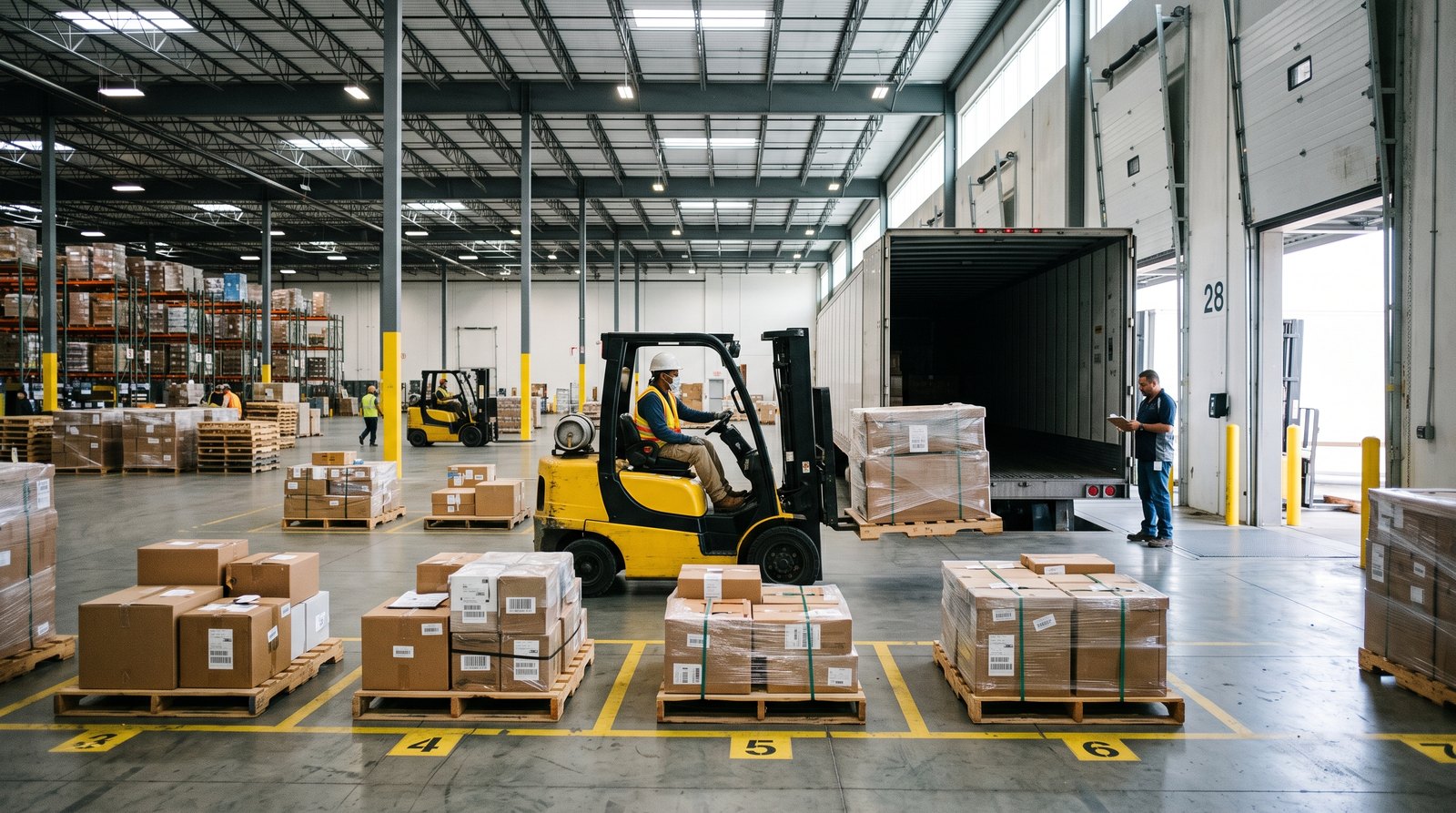
Confused about cross-docking vs transloading in Denver? Use this guide to choose the right workflow based on speed, equipment change, handling, and shipment fit.
LTL Consolidation in Denver: Combining Multiple Shipments Into One Outbound Load
LTL consolidation combines several small shipments into one outbound truckload at a Denver cross-dock, cutting per-shipment cost and handling touches. Here is when it pays off and how to set it up.
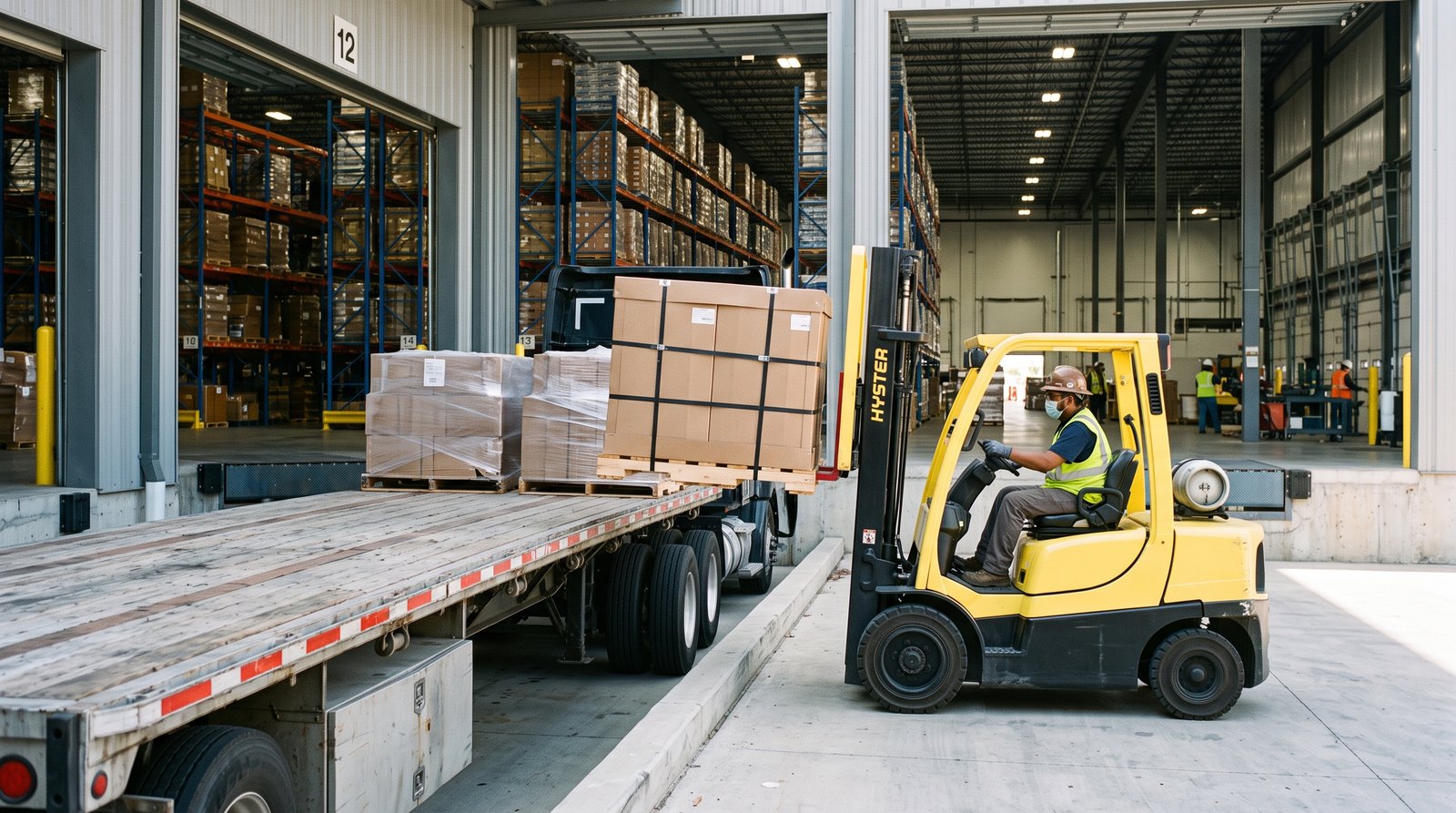
Flatbed Cross-Docking in Denver: How Side-Unloading Freight Moves Through a Dock
Standard dock doors can't receive flatbed freight. Denver Express operates a dedicated side-unloading ramp so flatbed loads can cross-dock without a trailer swap.
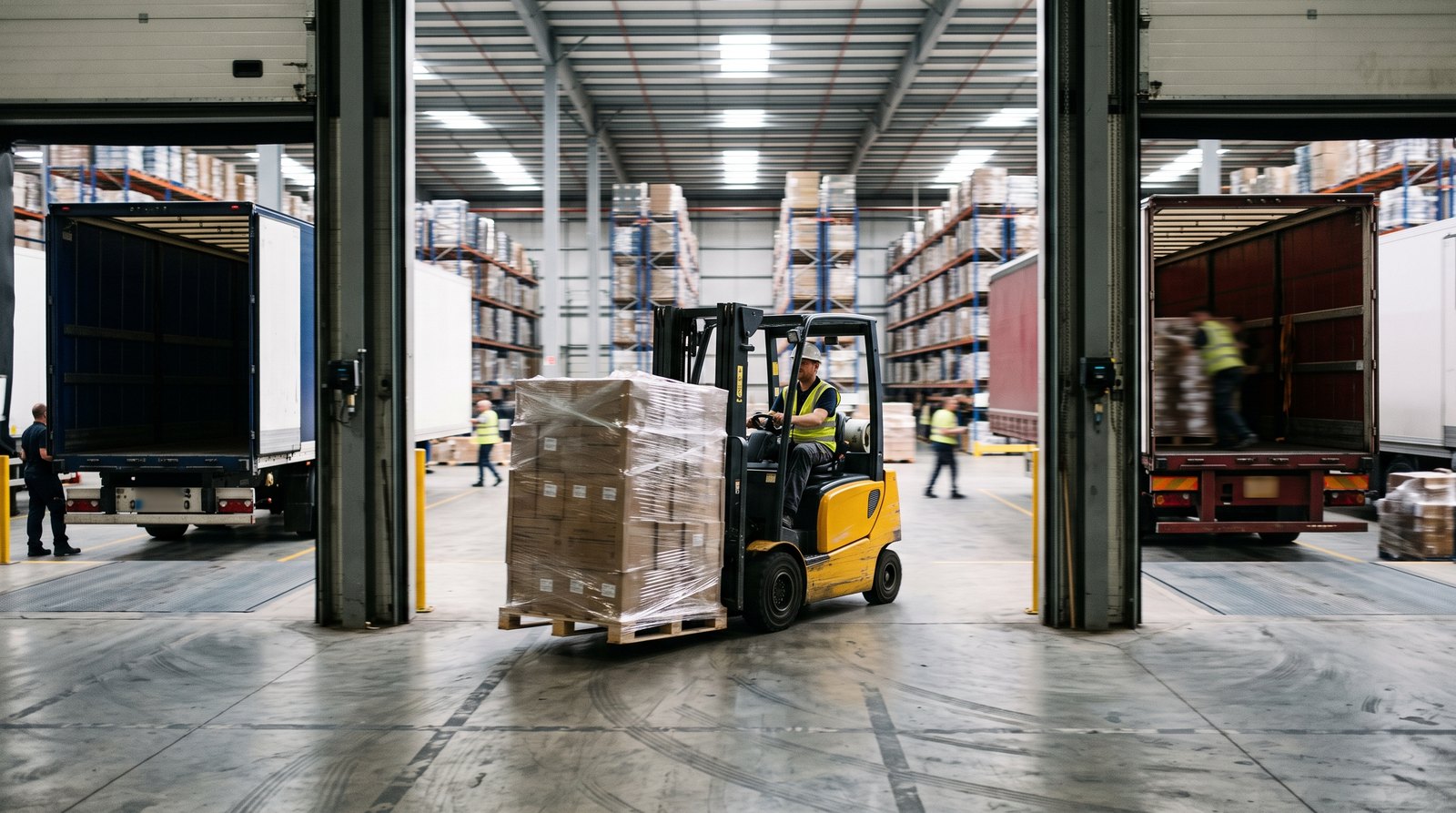
Same-Day Cross-Docking in Denver: What Makes It Feasible and What Usually Breaks the Plan?
Same-day cross-docking sounds simple because the goal is simple: get freight in, move it across the dock, and send it back out without turning it into storage. The operational reality is tighter than ...