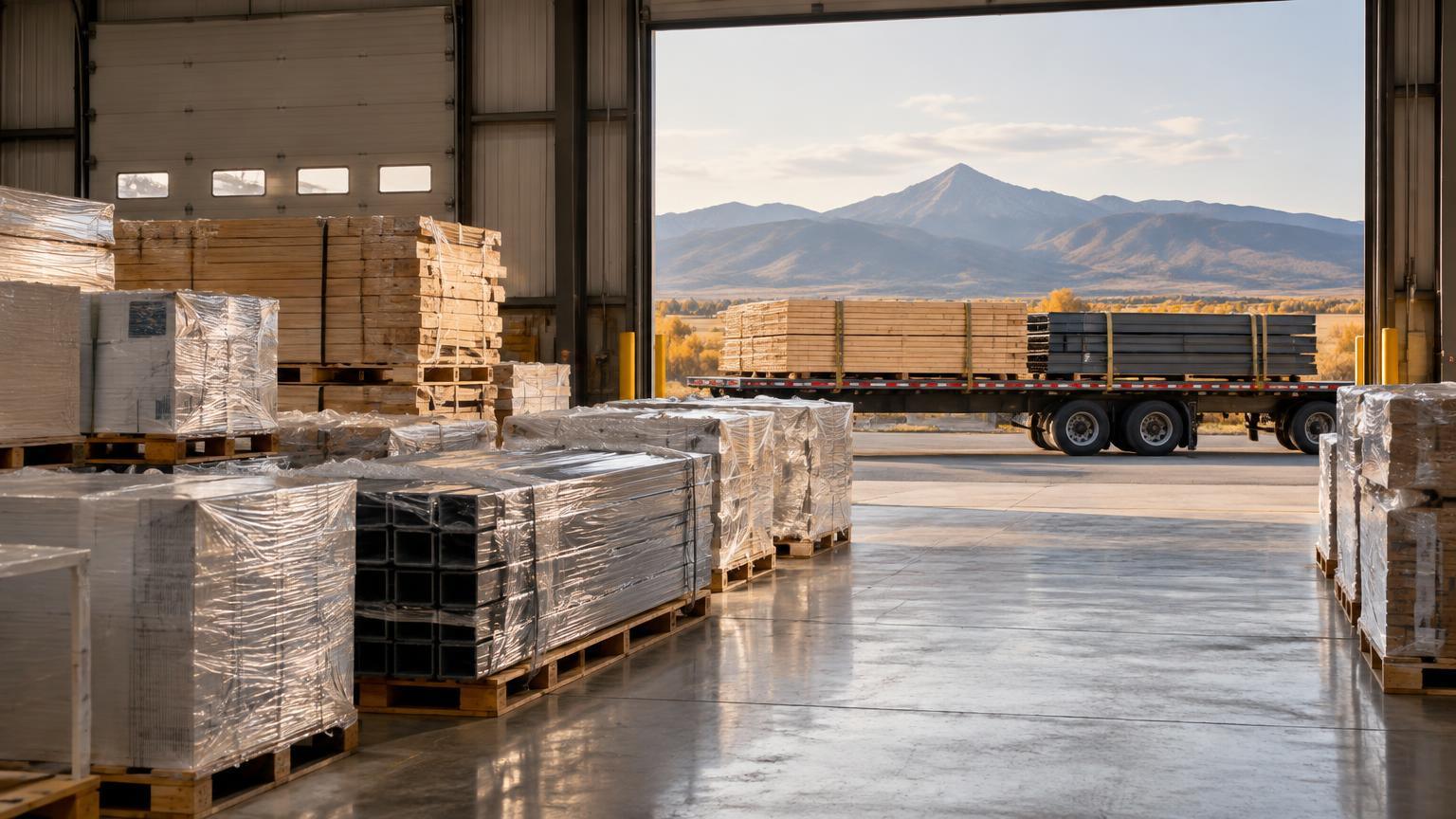
When I-70 closes or chain laws make a mountain run unsafe, stage the freight at a Denver dock instead of leaving it on a truck that is waiting out the storm. Staging stops detention, keeps the freight protected, and lets you rebook a delivery once the pass reopens. Plan the handoff before winter starts so the carrier knows where to go when the road shuts.
Late October usually brings the first real storm to the high country. Once that happens, every shipper with freight bound for ski towns, resort construction, or mountain retail learns the same lesson: I-70 does not care about delivery appointments. Closures at the tunnel and on the passes can stop mountain traffic for hours. A truck that cannot go west is still a truck on the clock. This guide covers how to use a Denver dock to keep that freight moving on your terms. For the broader service, see our Denver cross-docking page.
What happens to freight when I-70 closes?
The truck stops or turns back, and the clock keeps running. Drivers may face hours-of-service limits while waiting. Receivers in the mountains may lose their delivery window, and their next opening may be days later. Without a plan, the shipper pays detention while the freight sits on a trailer in a parking area or truck stop.
Chain laws create a related problem. When commercial chain laws are in effect, carriers that are not equipped or willing to chain up may refuse the run. The freight still needs a place to wait.
Why stage mountain freight in Denver instead of waiting on the truck?
Staging at a Denver dock takes the freight off the truck so the carrier can be released. The freight sits on a dock floor or in pallet storage until the pass reopens and the receiver confirms a new window. Then a delivery is rebooked. That replaces an open-ended detention bill with a defined handling and storage cost.
| Option | What it costs you | Best when |
|---|---|---|
| Truck waits out the closure | Detention and possible layover | The closure is short and the receiver can still take the load the same day |
| Truck returns freight to a Denver dock | Handling and short-term storage | The closure is long or the receiver window is lost |
| Freight staged before the mountain run | Planned handling and a scheduled final leg | Storms are forecast and timing is uncertain |
| Freight held at origin | Delay to the whole shipment | The order can wait several days without harm |
Our post on pallet storage versus trailer holds compares the costs in more detail.
How do you plan a winter staging handoff?
Set it up before the first storm. The plan only works if the carrier, the dock, and the receiver all know what happens when the road closes.
- Share the mountain receiver's name, address, and appointment rules with the Denver dock.
- Agree on the trigger, such as a closure or chain law, that sends the truck to the dock.
- Confirm the dock's receiving hours and how to book after-hours drops if needed.
- Decide who rebooks the final delivery and who confirms it with the receiver.
- Note any freight that cannot freeze, tip, or be stacked.
Our dock receives Monday through Friday, 8:00am to 4:00pm, with a 3:30pm cutoff. After-hours and weekend appointments are available on request, which matters when a storm hits late on a Friday.
What freight is most affected by mountain closures?
Freight with tight receiver windows suffers most. That includes resort and restaurant supply, retail replenishment in mountain towns, building materials for active job sites, and event freight with a fixed setup date. Construction freight is especially sensitive because a missed delivery can idle a crew. When the job site cannot store materials, staging in Denver keeps them ready to send up the hill on the first clear day.
How do you rebook delivery after the storm?
Watch for the reopening, then confirm two things before the freight leaves Denver: the road is open and the receiver can actually take the load. Mountain receivers often have a backlog after a closure, so their first open window may not be the first clear day. Book the final leg once both are confirmed. Our redelivery checklist covers what to confirm before the second attempt.
Set up your winter staging plan
Denver Express handles cross-docking, short-term storage, and freight rework from our Denver dock. Contact us to set up a staging plan for your mountain freight before the next storm closes the pass.
Frequently asked questions
How long can freight stay staged at the dock?
Short holds of a few days are common after a closure. Longer holds can move to pallet storage. Ask about rates when you set up the plan.
Can a truck drop freight at your dock after hours during a storm?
After-hours and weekend appointments are available on request. Setting this up before winter makes a late-day closure much easier to handle.
Do you deliver freight up to mountain towns?
We do not operate trucks. Final delivery is coordinated through our sister company or your carrier once the road and receiver are ready.
Is staging cheaper than paying detention?
Often, yes, when the closure is long or the receiver window is lost. Staging turns an open-ended wait into a defined cost.
What information should the dock have before winter?
The receiver details, appointment rules, freight type and handling notes, and who is authorized to rebook delivery.
Can staged freight be reworked if it shifted during transit?
Yes. If a load shifted on a rough mountain approach, it can be restacked or rewrapped at the dock before the next leg.
More in Cross-docking & transloading
Keep reading in this cluster
LTL Consolidation in Denver: Combining Multiple Shipments Into One Outbound Load
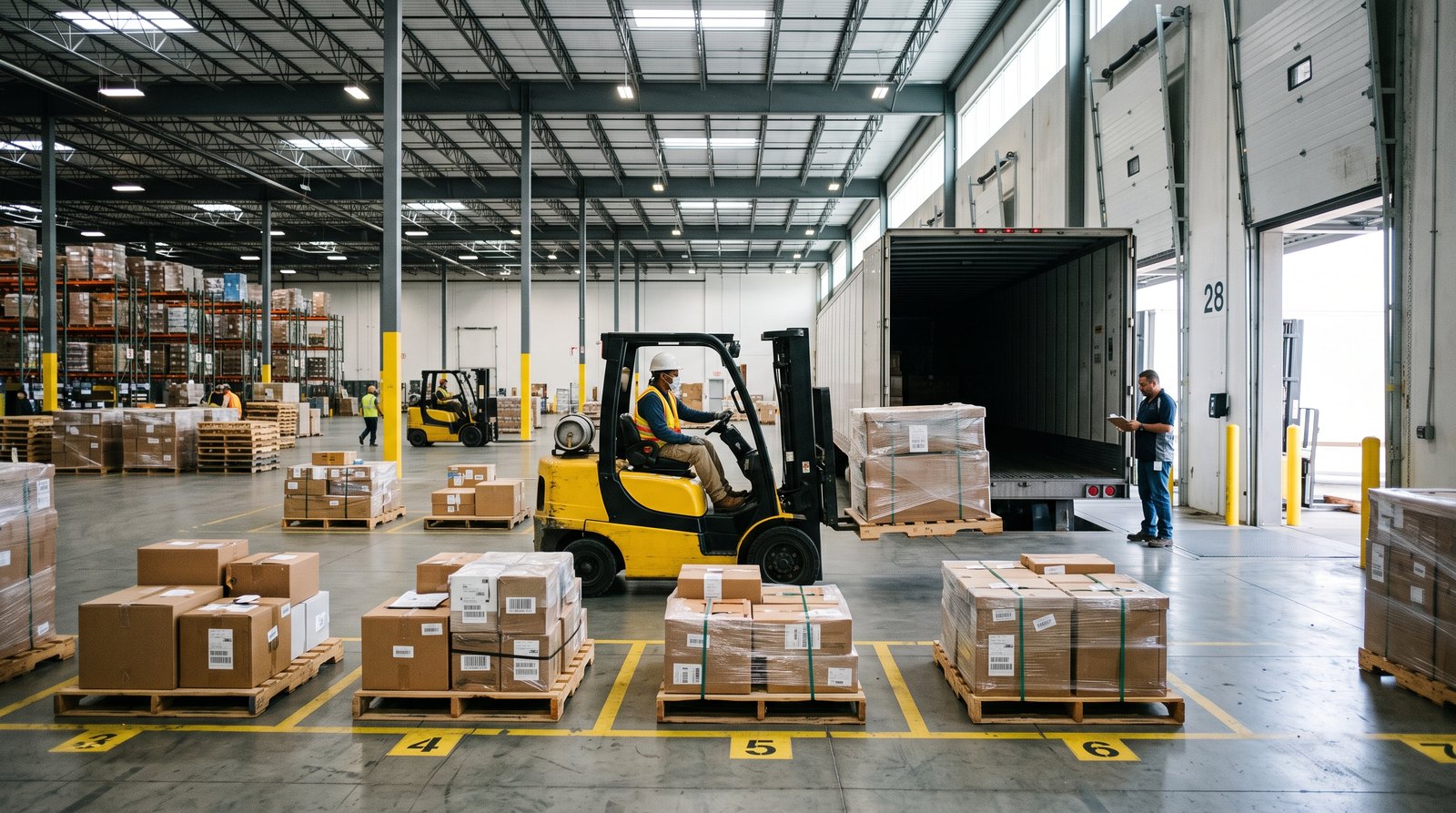
LTL consolidation combines several small shipments into one outbound truckload at a Denver cross-dock, cutting per-shipment cost and handling touches. Here is when it pays off and how to set it up.
Intermodal Freight in Denver: When It Makes Sense vs Standard Trucking
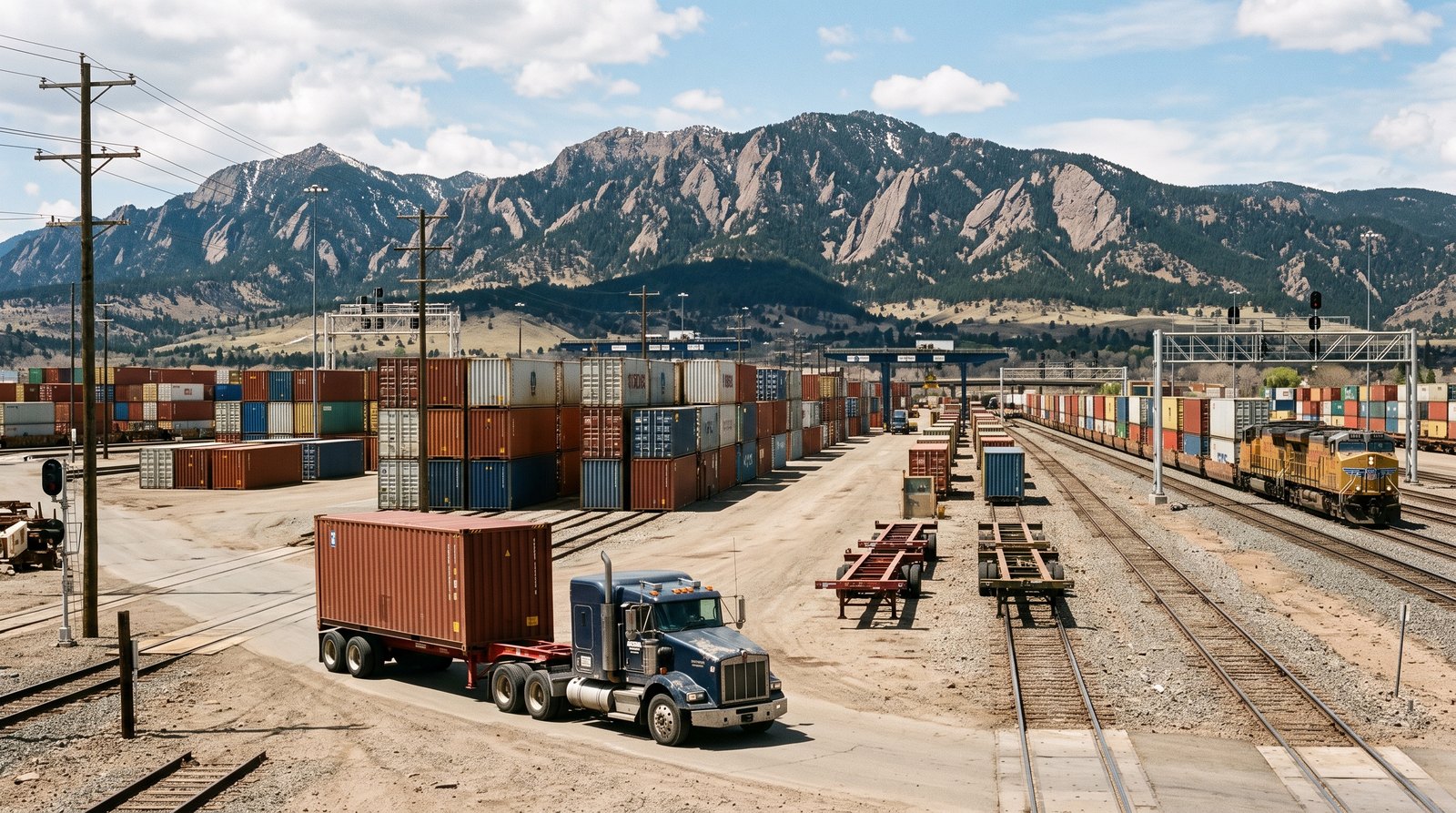
Intermodal freight in Denver works well on long-haul lanes, but the transload step often determines whether the move stays on schedule. Learn when rail-plus-truck makes sense and what to plan at the cross-dock.
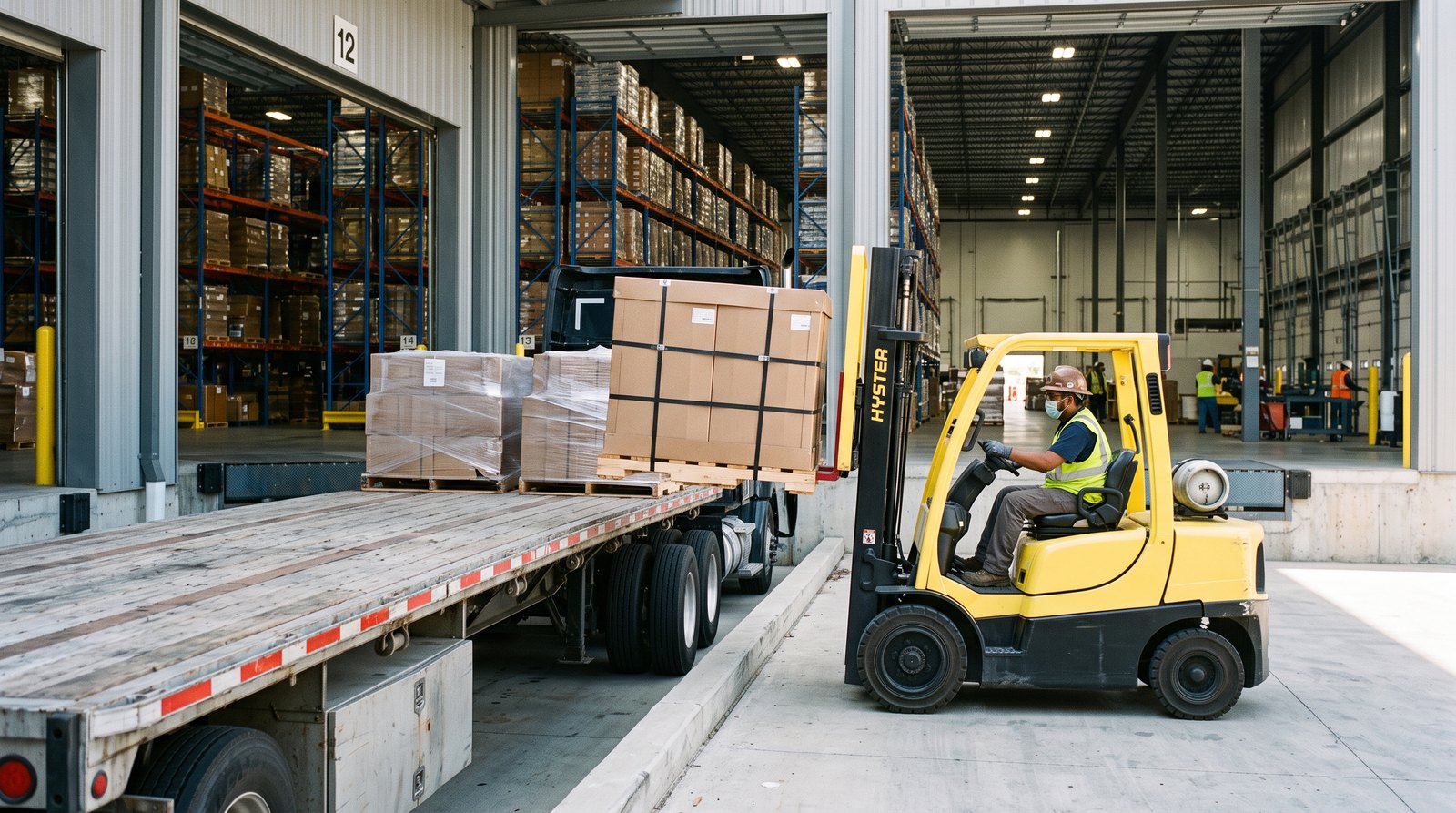
Flatbed Cross-Docking in Denver: How Side-Unloading Freight Moves Through a Dock
Standard dock doors can't receive flatbed freight. Denver Express operates a dedicated side-unloading ramp so flatbed loads can cross-dock without a trailer swap.
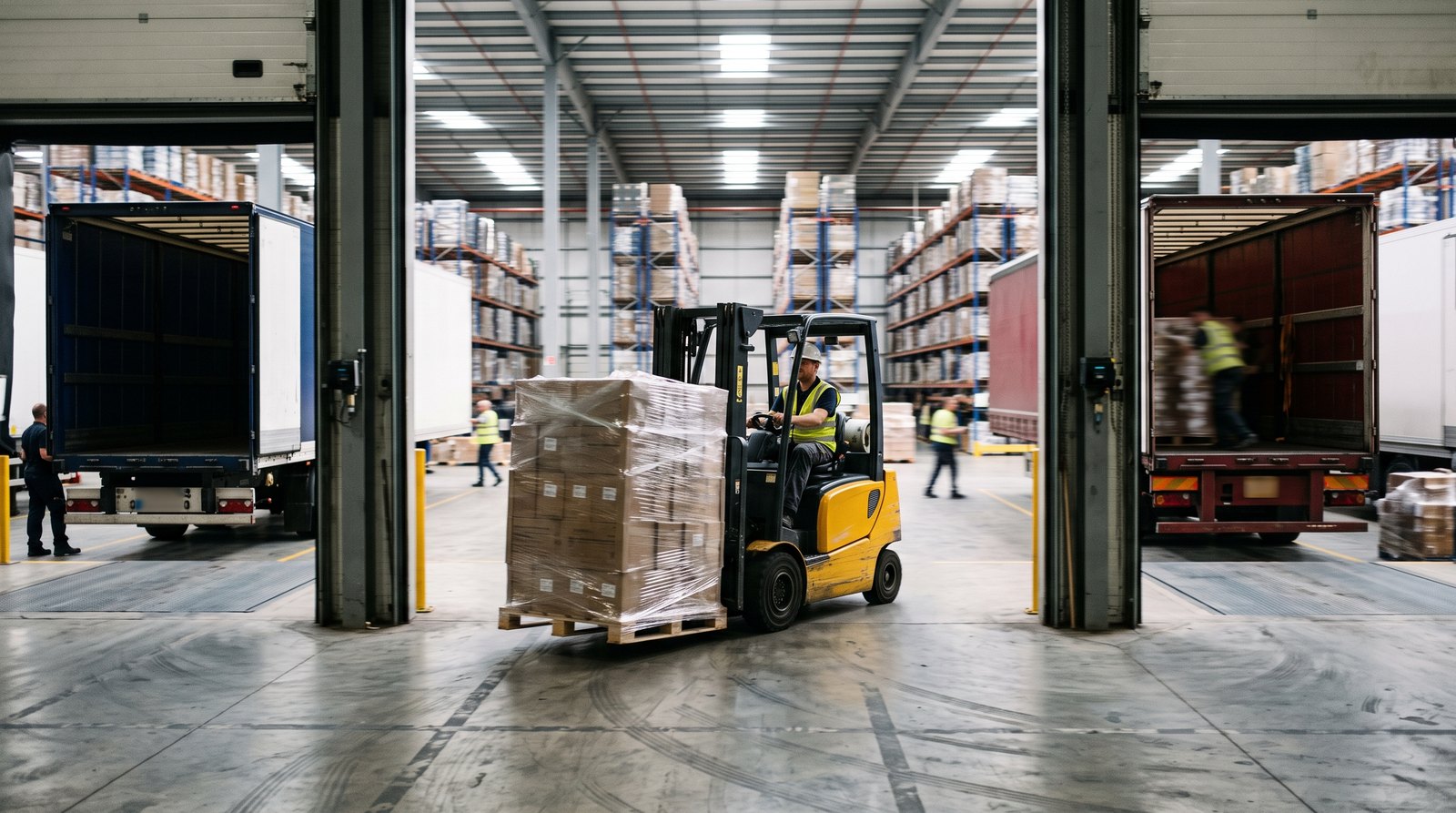
Same-Day Cross-Docking in Denver: What Makes It Feasible and What Usually Breaks the Plan?
Same-day cross-docking sounds simple because the goal is simple: get freight in, move it across the dock, and send it back out without turning it into storage. The operational reality is tighter than ...