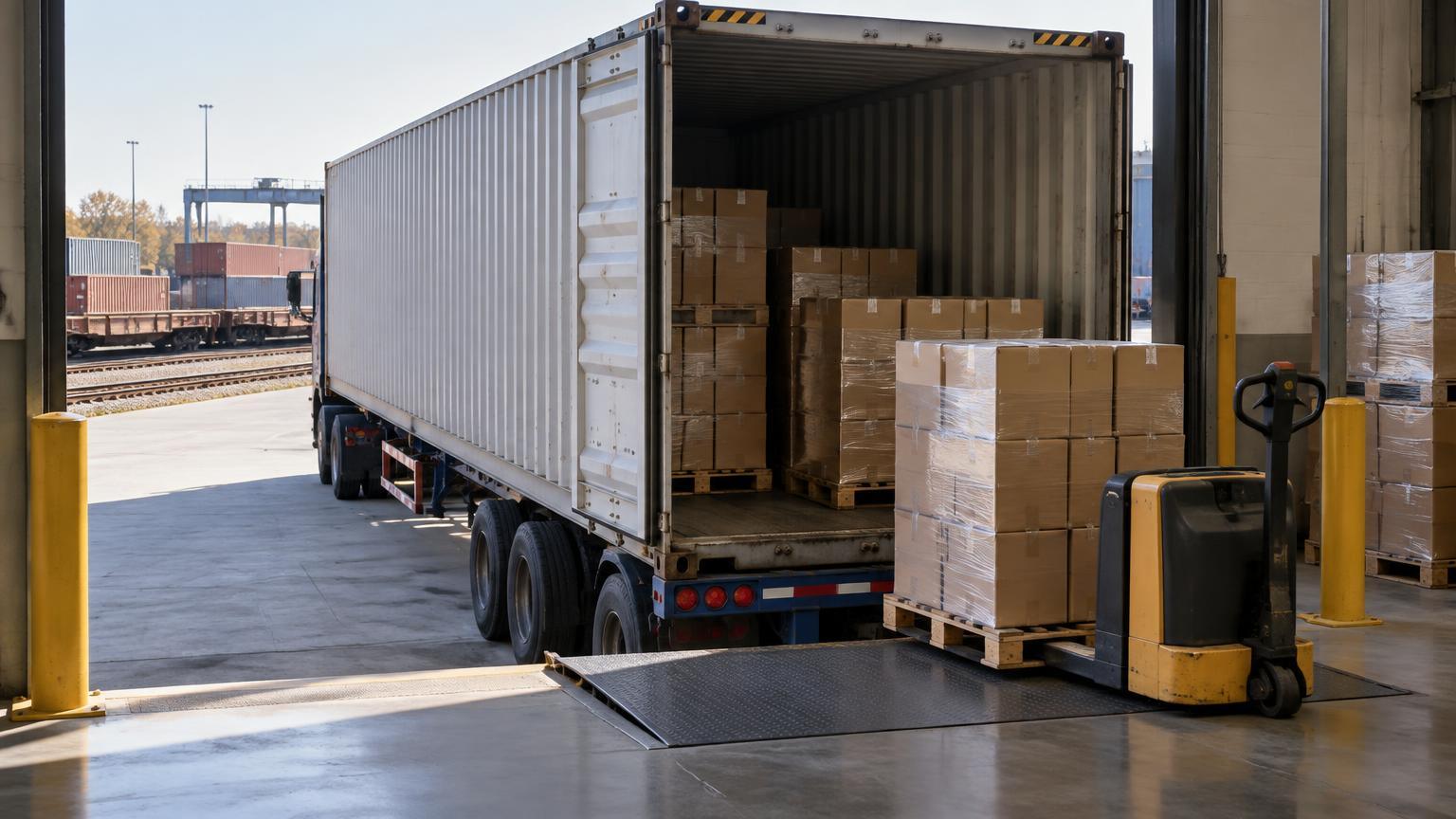
Rail container devanning for Commerce City overflow means unloading the container at a nearby dock, palletizing floor-loaded freight, and staging it so the box can be returned quickly. Our dock is about 10 minutes from Commerce City, so the container comes off the clock while the plant catches up.
Commerce City sits on top of the metro's rail and intermodal traffic. Containers and drayage overflow are the most common reason shippers there call us. This guide explains how cross-docking and devanning fit when a plant cannot take a container on time, and what to send so the unload is planned correctly.
Why do rail containers back up in Commerce City?
Many Commerce City sites are manufacturing or fuel and industrial operations with narrow receiving windows. A container that comes off the rail on the railroad's schedule may not match the plant's schedule. When the plant cannot take it, the container waits on a chassis, and the time it sits there keeps adding cost.
The location makes the problem common and also makes the fix simple. Our dock is about 10 minutes away, just off the I-270 and I-76 corridor, with Vasquez Blvd and Highway 2 close by.
What are per-diem and chassis clocks?
Per-diem is a daily charge for keeping a container past its free time. A chassis charge is a separate daily charge for the wheeled frame the container rides on. Both clocks start after the free days run out and keep running until the empty box and chassis are returned. Devanning stops the wait.
Rates and free time depend on the carrier, the rail ramp, and your contract, so check your own terms for the exact numbers. The point is simple. Every day a full container waits for a receiving window is a day both clocks may be running.
How does devanning before the deadline work?
The container is drayed to our dock, unloaded, and floor-loaded freight is palletized. The freight is staged in our climate-controlled space, and the empty box can go back so the clocks stop. When the Commerce City plant opens a window, the staged freight is reloaded and delivered, usually in one clean run.
- The container is drayed from the rail ramp to our dock
- Freight is unloaded and counted against the packing list
- Floor-loaded cartons are palletized and wrapped
- The empty container can be returned
- Freight is staged, then reloaded for the plant's receiving window
Floor-loaded freight takes more labor than palletized freight. See container unloading cost factors for what changes the work involved.
What should you send before the container arrives?
Send the container number, whether the freight is floor-loaded or palletized, the piece count and carton sizes, the last free day, the receiver's window, and any label or pallet rules. With those details, the unload can be scheduled before the deadline and the freight can be prepared the way the plant expects.
| What to send | Why it matters |
|---|---|
| Container number | Lets the dock and the dray carrier track the right box |
| Floor-loaded or palletized | Changes the labor and time needed to unload |
| Piece count and carton sizes | Sets the pallet build and the count to check against |
| Last free day | Sets the deadline for unloading and returning the box |
| Receiver window | Decides how long freight is staged and when it reloads |
| Label or pallet rules | Lets the freight be prepared so the plant does not refuse it |
Is a same-day transfer cheaper than detention?
Usually, yes. Because our dock is minutes from Commerce City, a same-day transfer usually costs less than a night of detention or a redelivery attempt. Freight that arrives before our 3:30pm receiving cutoff can often be unloaded and staged the same day, and the truck or container is released instead of waiting.
The same approach works for trailers. Two partial loads can be consolidated into one outbound for a Commerce City delivery, and leaning pallets can be restacked and shrink wrapped before the receiver sees them.
What are your receiving hours?
We receive Monday through Friday, 8:00am to 4:00pm, with a 3:30pm receiving cutoff. After-hours and weekend appointments are available on request. If a container is due late in the day or close to its last free day, send the details early so the unload can be booked inside a window that works.
When does intermodal make sense at all?
Rail is one way to move freight into the Denver metro, not the only one. Whether it fits depends on the lane, the timing, and how the freight is loaded. See when intermodal freight makes sense in Denver, and our intermodal support page for how we help on the Denver end.
For the full drayage picture, read container drayage and devanning in Denver. Local details are on our Commerce City service page.
Get your container devanning booked
Send the container number, last free day, and receiver window. Request a quote or call 303-289-4343.
Frequently asked questions
How close is your dock to Commerce City?
We are about 10 minutes away, just off the I-270 and I-76 corridor.
Can you handle rail container overflow for Commerce City?
Yes. We devan containers, palletize floor-loaded freight, and stage the product so the box can be returned quickly.
What is a chassis clock?
It is the daily charge for the chassis a container rides on once free time runs out. It keeps running until the chassis is returned, so devanning sooner can stop it.
What should I send before the container arrives?
Send the container number, whether it is floor-loaded or palletized, the piece count and carton sizes, the last free day, the receiver window, and any label or pallet rules.
What are your receiving hours?
Monday through Friday, 8:00am to 4:00pm, with a 3:30pm receiving cutoff. After-hours and weekend appointments are available on request.
Do you deliver the freight to the Commerce City plant?
We do not operate trucks. We coordinate delivery through our sister company or your carrier once the freight is staged and ready.
More in Cross-docking & transloading
Keep reading in this cluster
Intermodal Freight in Denver: When It Makes Sense vs Standard Trucking
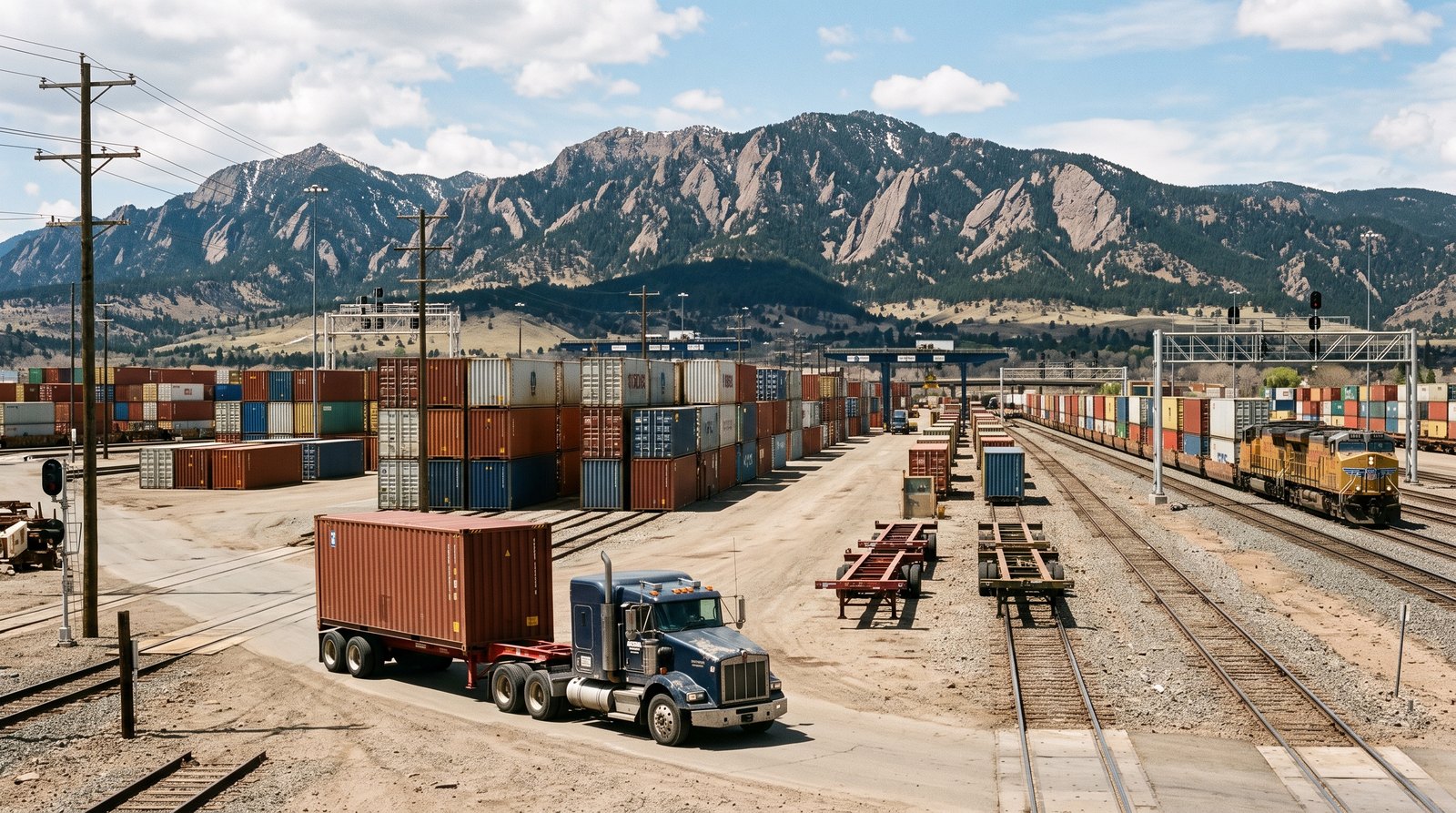
Intermodal freight in Denver works well on long-haul lanes, but the transload step often determines whether the move stays on schedule. Learn when rail-plus-truck makes sense and what to plan at the cross-dock.
LTL Consolidation in Denver: Combining Multiple Shipments Into One Outbound Load
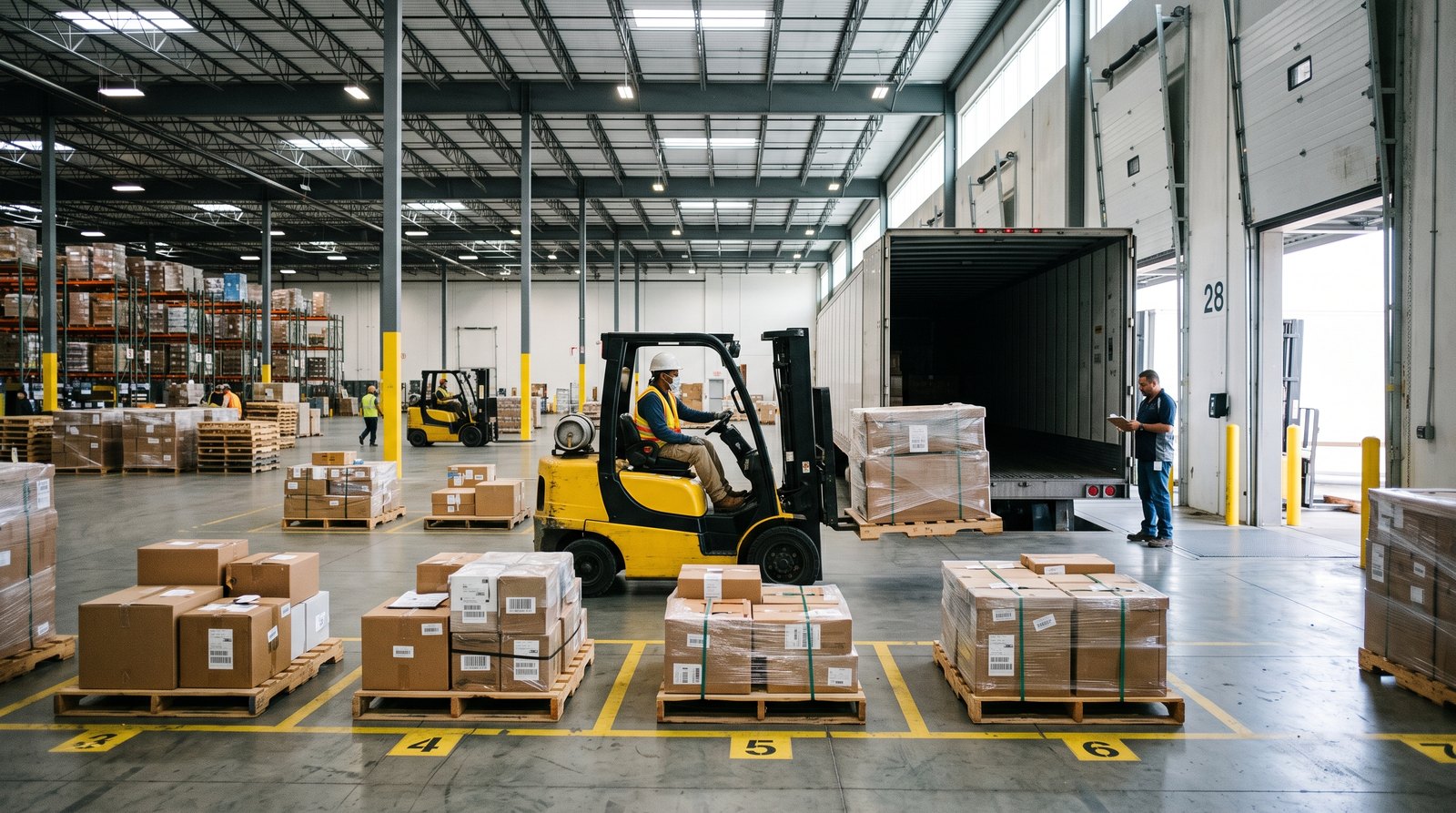
LTL consolidation combines several small shipments into one outbound truckload at a Denver cross-dock, cutting per-shipment cost and handling touches. Here is when it pays off and how to set it up.
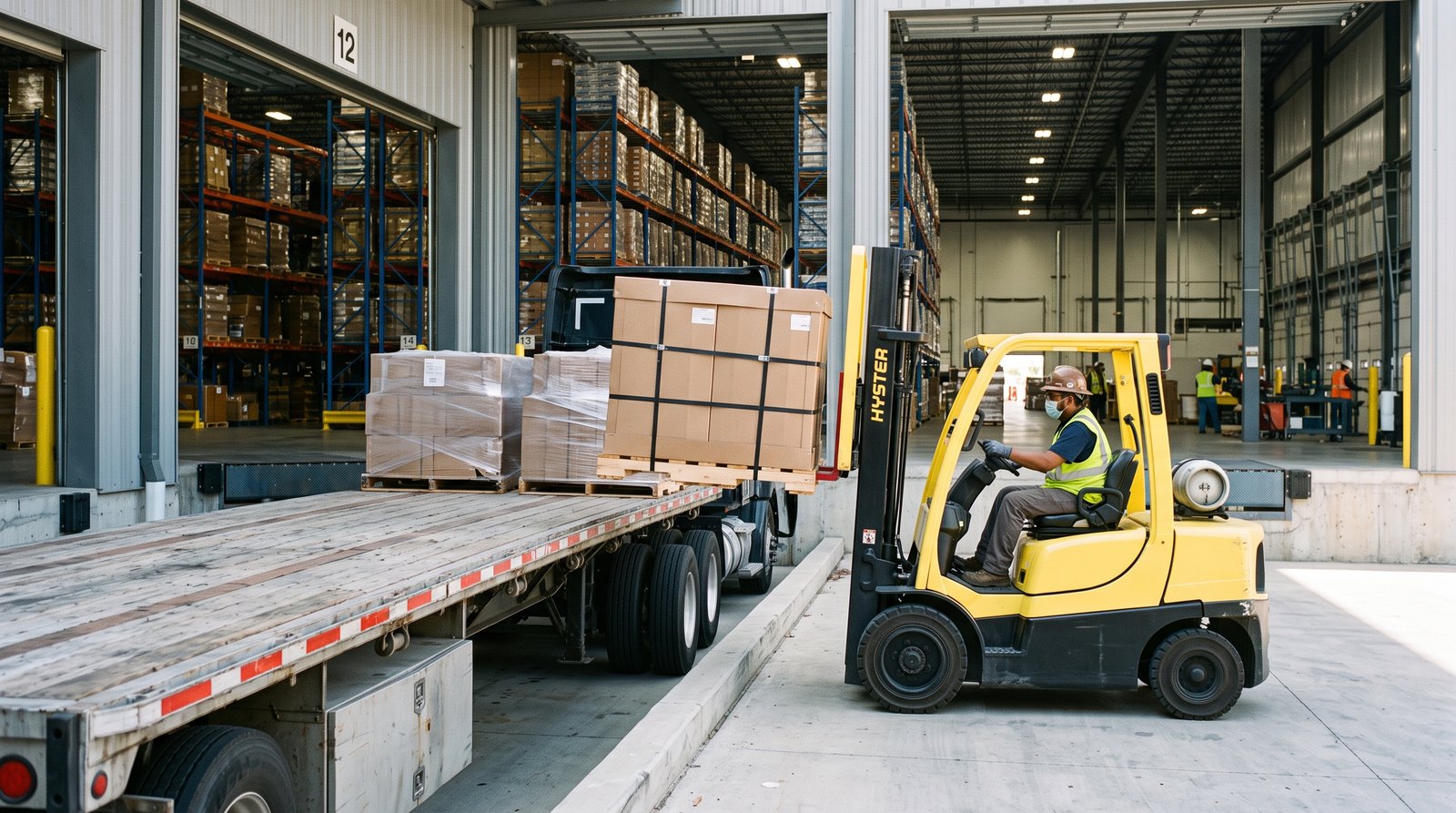
Flatbed Cross-Docking in Denver: How Side-Unloading Freight Moves Through a Dock
Standard dock doors can't receive flatbed freight. Denver Express operates a dedicated side-unloading ramp so flatbed loads can cross-dock without a trailer swap.
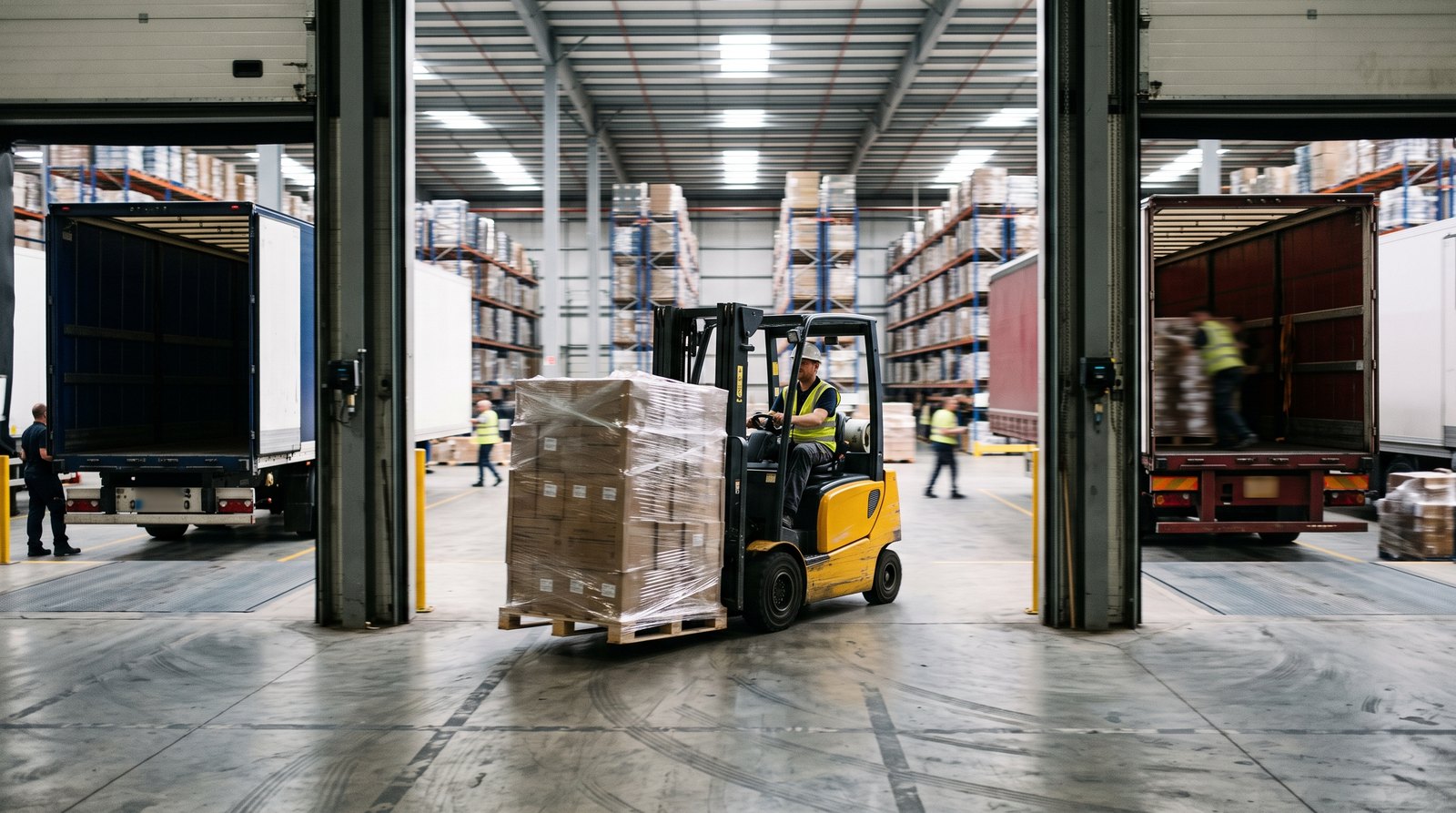
Same-Day Cross-Docking in Denver: What Makes It Feasible and What Usually Breaks the Plan?
Same-day cross-docking sounds simple because the goal is simple: get freight in, move it across the dock, and send it back out without turning it into storage. The operational reality is tighter than ...