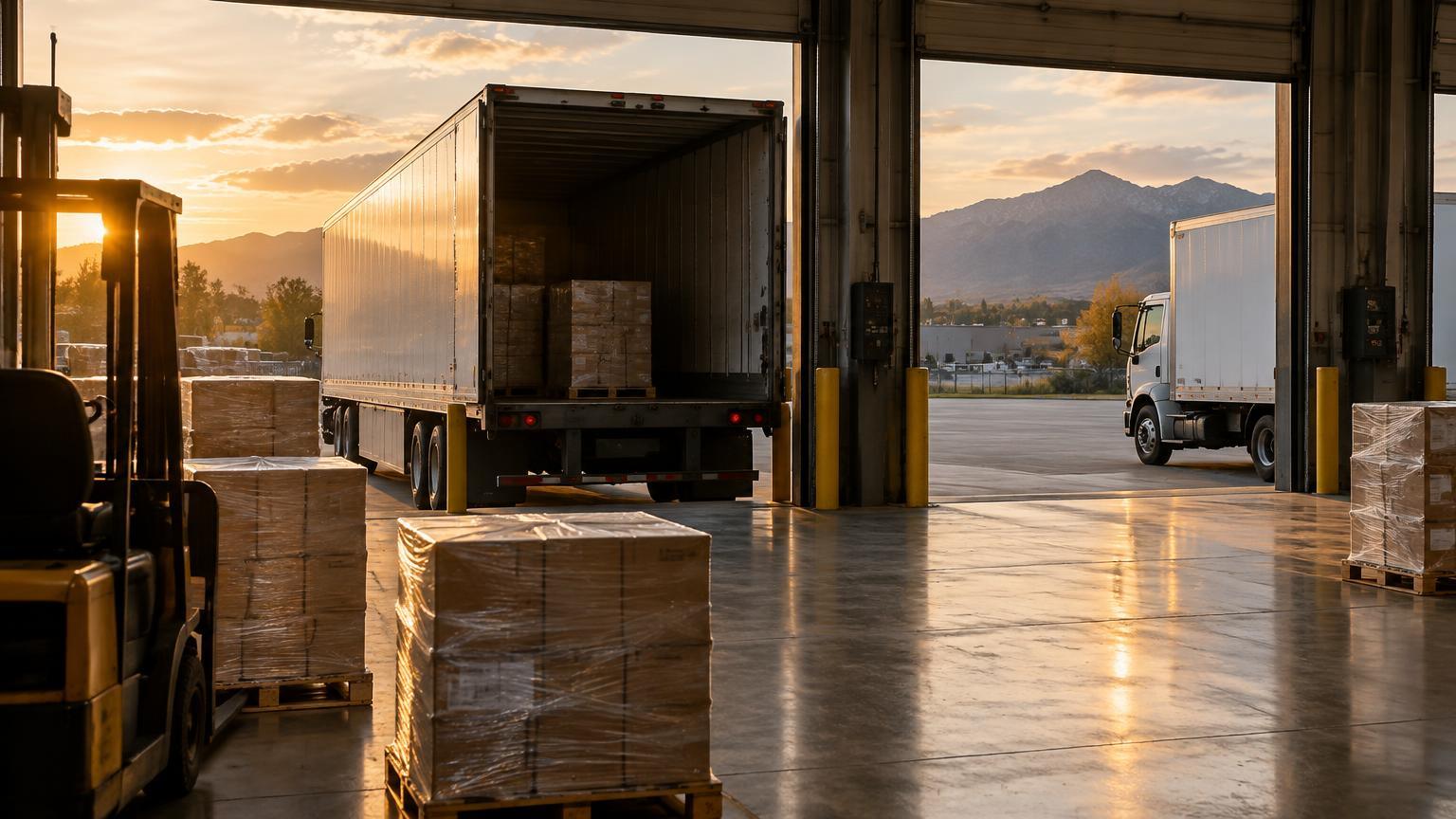
Break-bulk in Denver for Colorado Springs freight means unloading the long-haul trailer once at a Denver dock, staging the freight, and sending smaller scheduled loads about 70 minutes south on I-25. It fits when a full trailer would otherwise wait at a Springs door that is not open yet.
Most national inbound freight reaches the Front Range through Denver first. Breaking it down here, at a Denver cross-dock, avoids paying a long-haul truck to sit while a Colorado Springs receiver works through its appointment book. This guide covers when to go straight south, when to break bulk, and when to keep inventory in Denver.
What does break-bulk in Denver actually mean?
Break-bulk means taking one large inbound load apart and sending it on as several smaller loads. In practice, a full trailer or container is unloaded at our dock in Denver, the freight is staged and sorted, and right-sized loads are released south to Colorado Springs on a schedule that matches the receivers' windows.
The long haul ends in Denver. The short run to the Springs starts when the receiver is ready. Each truck does the job it is suited for, and nobody pays a long-haul driver to wait in a parking lot on I-25.
Why unload in Denver instead of shipping straight to Colorado Springs?
National inbound freight already passes through Denver on its way to the southern Front Range. Unloading here avoids a second long-haul leg to a Springs door that may not be open. It also lets you send loads sized to each appointment, instead of holding a full trailer until every receiver can take its share.
The difference shows up most when one inbound trailer serves more than one receiver, or when the receiver books narrow windows days apart. A single full trailer cannot be in two places. Smaller scheduled loads can.
Which approach fits your freight?
There are three common ways to move freight from a national inbound to Colorado Springs. Go straight to the Springs door when the receiver can take the full load on arrival. Break bulk in Denver when timing or load size does not line up. Store in Denver and release when the same inventory serves both metros.
| Approach | Best when | Watch out for |
|---|---|---|
| Straight to the Springs door | One receiver can take the full load on arrival | A closed door or late appointment means the truck waits or redelivers |
| Break-bulk in Denver | Several receivers, or windows that do not match the inbound arrival | Send counts and appointment windows early so loads can be planned |
| Store in Denver and release | The same inventory serves both Denver and Colorado Springs customers | Plan release lead time so orders still meet Springs windows |
Which Colorado Springs receivers need a rework pass first?
Military, aerospace, and electronics receivers in Colorado Springs enforce strict appointment and packaging rules. When a load has to meet those rules, a rework pass in Denver before dispatch is worthwhile. Fixing pallets, labels, or packaging at our dock is easier than fixing them at a receiver's door that has already refused the load.
The same logic applies to retail receivers with vendor compliance rules. See retail vendor compliance rework for the checks that usually matter, such as pallet height, overhang, and label placement.
Can containers be devanned in Denver for the Springs?
Yes. A floor-loaded container can be devanned in Denver and palletized before the run south. That turns loose cartons into pallets a Colorado Springs receiver can take with a forklift, and it frees the container sooner. Send the container type, piece count, and carton sizes so the unload can be planned.
For how drayage and devanning fit together, see container drayage and devanning in Denver.
Should you keep inventory in Denver to serve both metros?
If you sell into both Denver and Colorado Springs, keeping Front Range inventory in one Denver warehouse is often simpler than renting a second building. Product is stored in climate-controlled space and released to either metro as orders come in. The trade-off is planning release lead time for the run south.
Our facility is climate-controlled but has no cold storage, so this works for dry and shelf-stable freight. See warehousing in Denver for how storage and releases work.
Who handles the truck to Colorado Springs?
Denver Express does not operate trucks. We handle the dock work: unloading, devanning, palletizing, rework, staging, and reloading. The delivery leg to Colorado Springs is coordinated through our sister company or your preferred carrier. You get one plan for the freight without paying for a truck to wait while it is prepared.
The same split works for other inbound types. If your freight starts as air cargo instead, the DIA air freight recovery guide shows how a Denver cross-dock fits between the airport and the receiver.
What should you send to plan a break-bulk move?
Send the inbound trailer or container type, the pallet or piece count with weights, the inbound arrival date, and each Colorado Springs receiver with its appointment window. Add any packaging or label rules the receivers use, and say whether you have a carrier for the run south or need it coordinated.
- Inbound trailer or container type and arrival date
- Pallet or piece count, weights, and carton sizes
- Each Colorado Springs receiver and its appointment window
- Packaging, pallet, or label rules
- Carrier for the delivery leg, or a request to coordinate one
More local detail is on our Colorado Springs service page.
Plan your Colorado Springs freight
Send your inbound details and receiver windows, and we will lay out the break-bulk plan. Request a quote or call 303-289-4343.
Frequently asked questions
How far is your Denver dock from Colorado Springs?
Colorado Springs is about 70 minutes south of our Denver dock on I-25.
Why break bulk in Denver instead of shipping straight to Colorado Springs?
National inbound freight already passes through Denver. Breaking it down here lets you send right-sized loads that match Colorado Springs appointment windows instead of holding a full trailer.
Can you devan a container in Denver for Colorado Springs delivery?
Yes. A floor-loaded container can be devanned and palletized in Denver before the run south.
Can you store inventory that serves both Denver and Colorado Springs?
Yes. Many customers keep Front Range inventory in our climate-controlled warehouse and release it to either metro as orders come in.
Do you handle the truck to Colorado Springs?
We do not operate trucks. We coordinate the delivery leg through our sister company or your preferred carrier.
Can you prepare freight for strict Colorado Springs receivers?
Yes. A rework pass in Denver before dispatch can fix pallets, labels, or packaging for military, aerospace, and electronics receivers with strict rules.
More in Cross-docking & transloading
Keep reading in this cluster
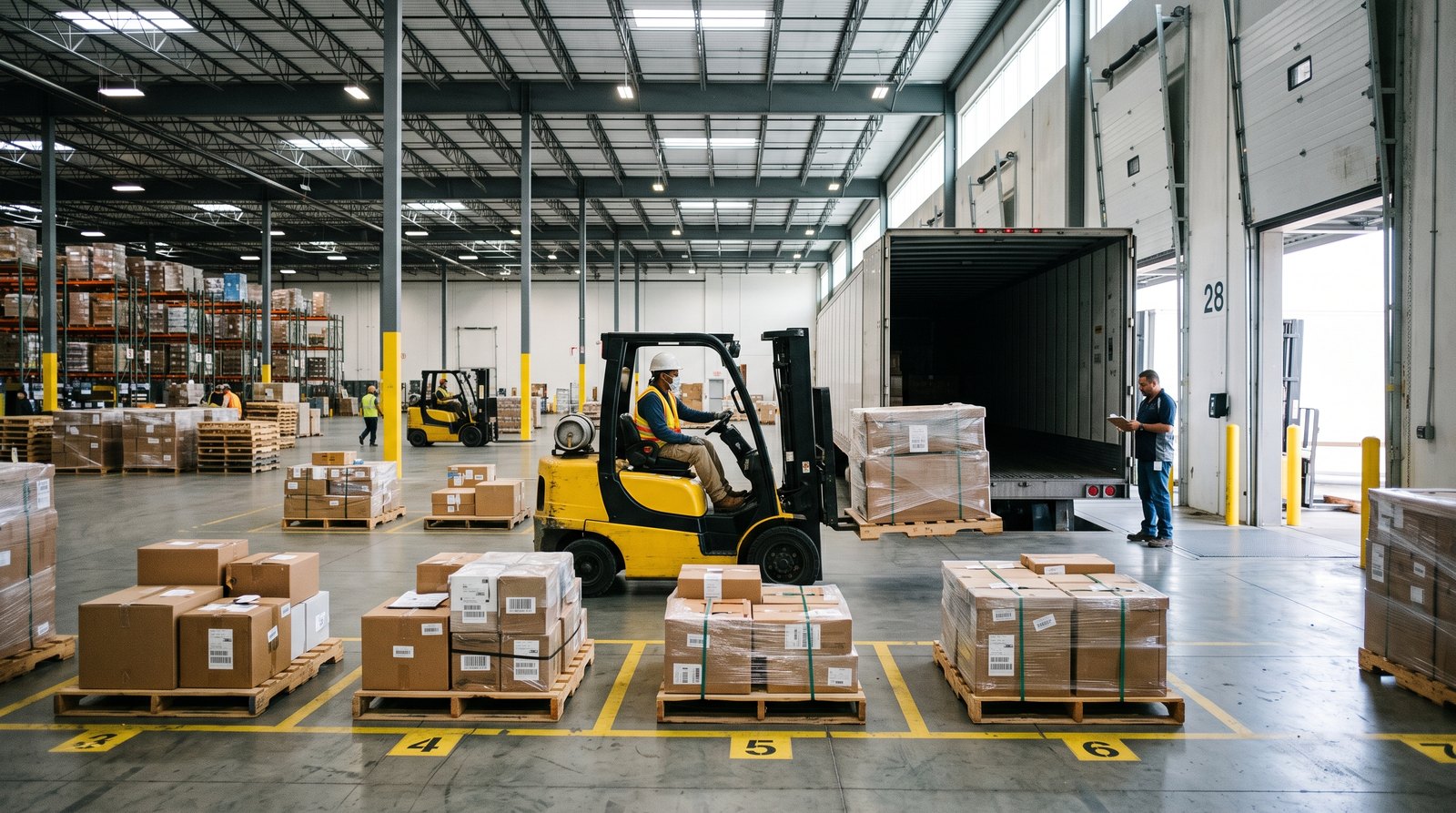
LTL Consolidation in Denver: Combining Multiple Shipments Into One Outbound Load
LTL consolidation combines several small shipments into one outbound truckload at a Denver cross-dock, cutting per-shipment cost and handling touches. Here is when it pays off and how to set it up.
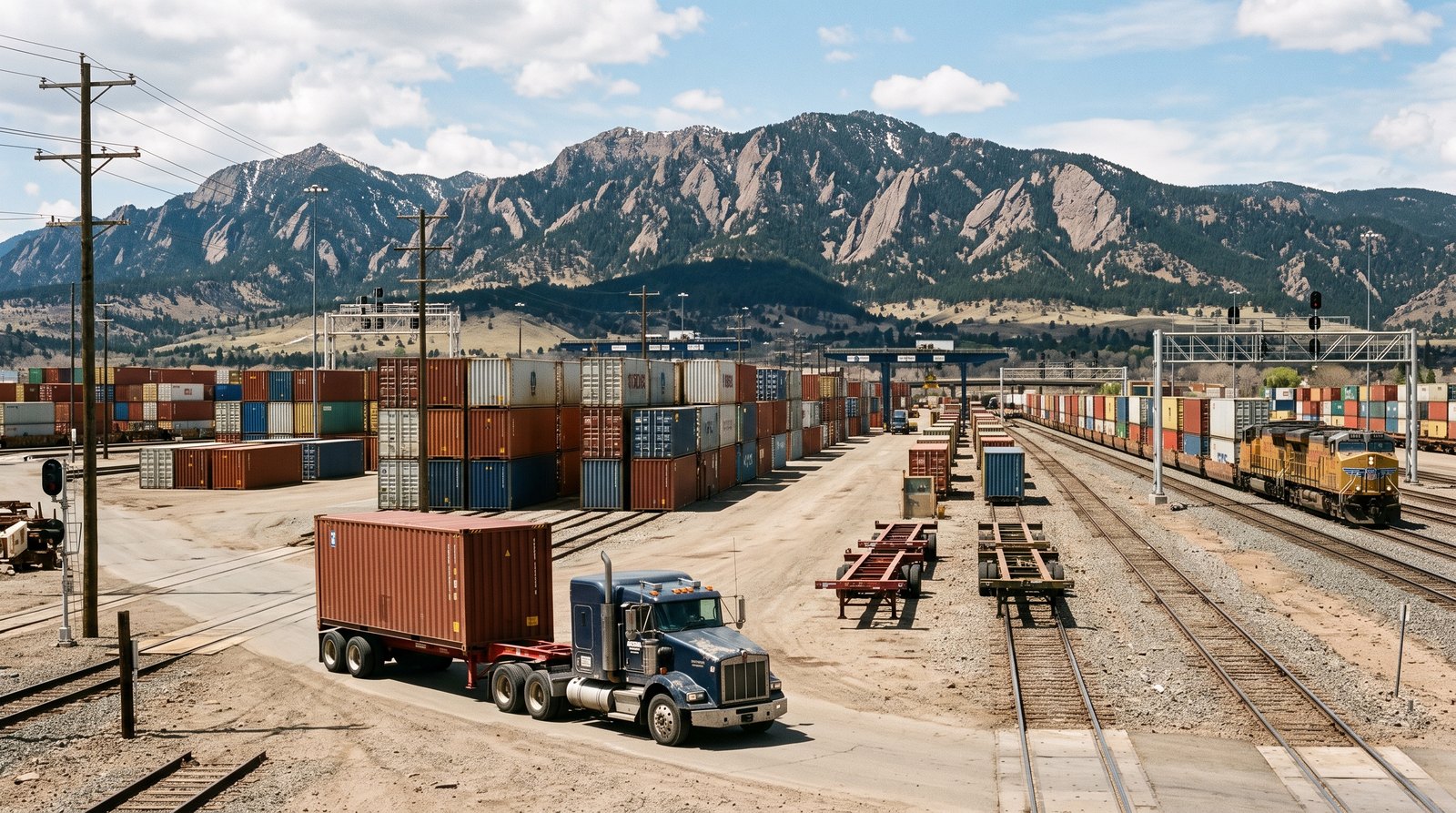
Intermodal Freight in Denver: When It Makes Sense vs Standard Trucking
Intermodal freight in Denver works well on long-haul lanes, but the transload step often determines whether the move stays on schedule. Learn when rail-plus-truck makes sense and what to plan at the cross-dock.
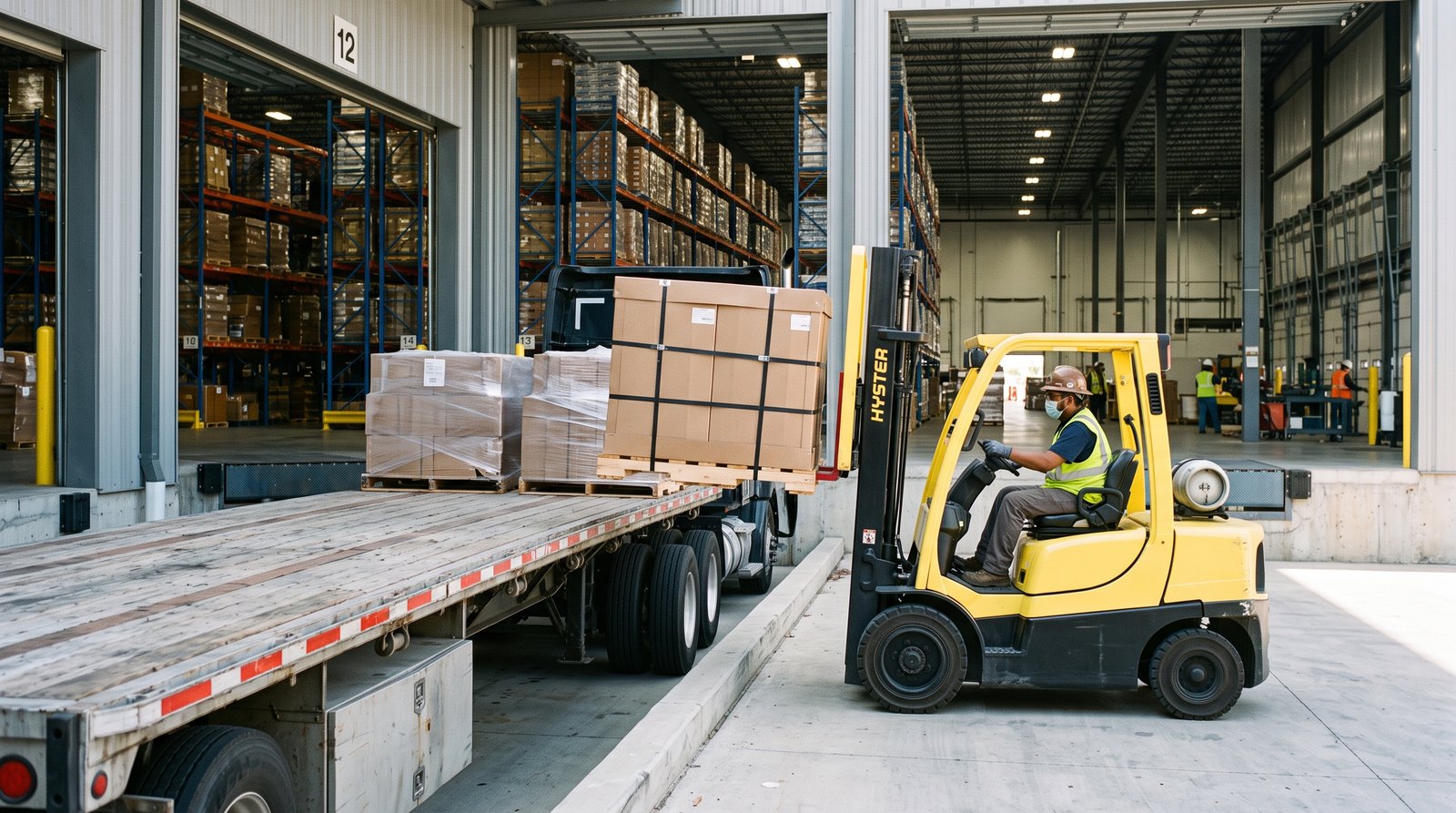
Flatbed Cross-Docking in Denver: How Side-Unloading Freight Moves Through a Dock
Standard dock doors can't receive flatbed freight. Denver Express operates a dedicated side-unloading ramp so flatbed loads can cross-dock without a trailer swap.
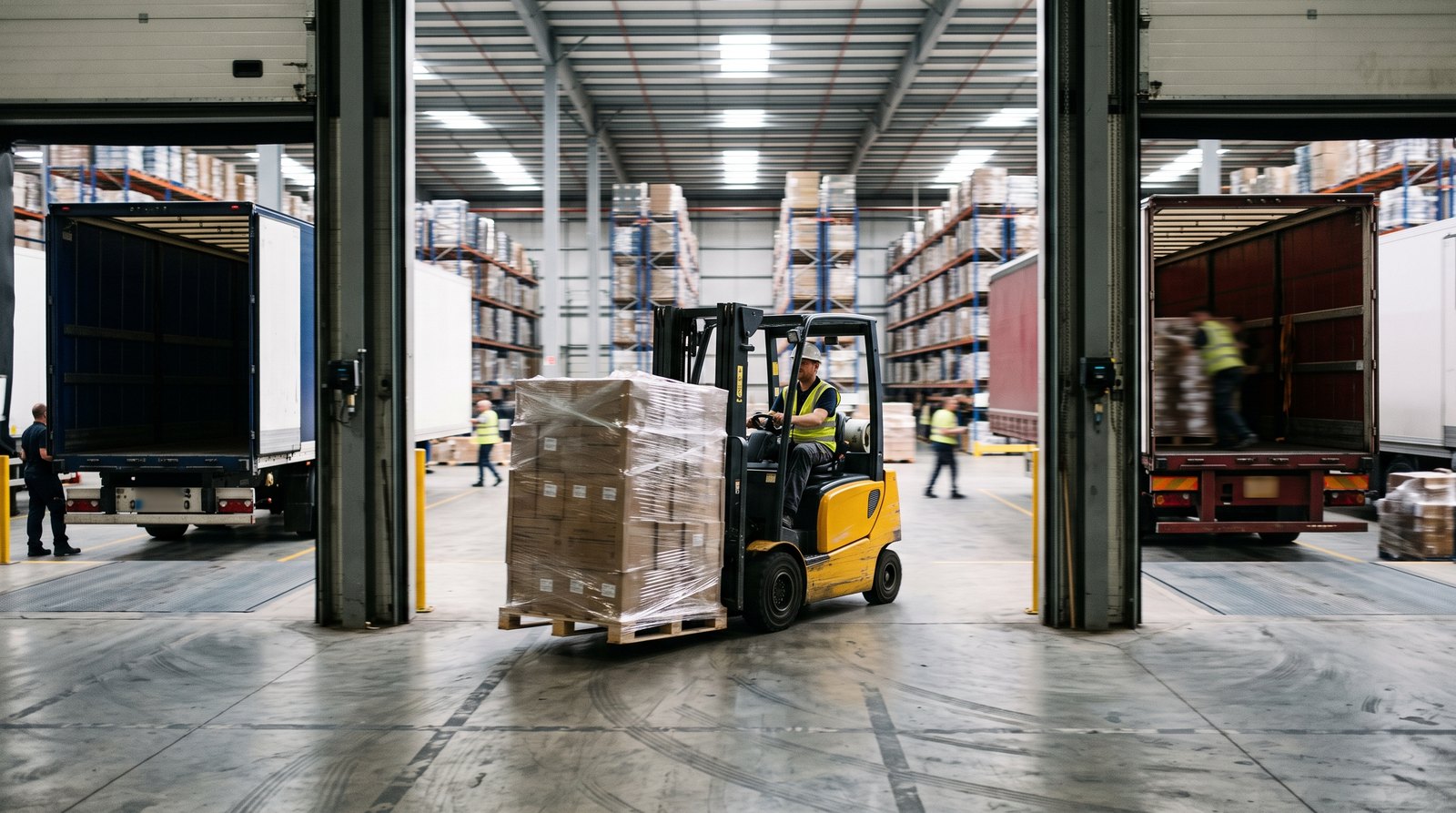
Same-Day Cross-Docking in Denver: What Makes It Feasible and What Usually Breaks the Plan?
Same-day cross-docking sounds simple because the goal is simple: get freight in, move it across the dock, and send it back out without turning it into storage. The operational reality is tighter than ...