Freight staging near Henderson and Brighton, CO works like this: when a yard is full, the trailer is unloaded at a Denver dock about 15 minutes from Henderson and 25 minutes from Brighton via I-76, then released in planned loads when the receiver is ready. Short holds are staging; longer holds become warehousing.
A full yard turns an on-time trailer into a detention bill. Staging takes the freight off the trailer so the driver keeps moving and the receiver takes it when there is room. This guide covers why Henderson and Brighton yards fill up, what staging includes, and when a short hold should turn into storage.
Why do Henderson and Brighton yards fill up?
Henderson sites along I-76 and Highway 85 are often large-parcel industrial operations with limited dock doors, so an early trailer has nowhere to sit until its window opens. Brighton receivers in food, agricultural, and retail distribution run tight windows, and long inbound hauls that arrive late in the day often miss them entirely.
The freight is different in each town too. Aggregate, energy, and equipment freight moving up Highway 85 often arrives on flatbeds that need side unloading before it can be stored. Brighton loads care about labels and pallet standards as much as timing.
What do Henderson and Brighton shippers typically need?
Henderson shippers usually need a place to unload flatbeds and hold freight for a few days while a yard or job site clears. Brighton shippers usually need sorting, relabeling, re-palletizing, or consolidating partial loads, plus an overnight transfer so a late arrival makes a morning appointment. The table compares the two.
| Need | Henderson | Brighton |
|---|---|---|
| Drive from our dock | About 15 minutes via I-76 and Highway 85 | About 25 minutes via I-76 |
| Common problem | Yard full, limited doors, early trailers | Late arrivals, label and pallet standards |
| Typical freight | Flatbed equipment, construction and energy material | Food, agricultural, and retail goods |
| What staging covers | Flatbed side unload, short hold, batch release | Sorting, relabeling, re-palletizing, consolidating partials |
| Typical release | Planned batches as the yard clears | Overnight transfer for a morning appointment |
Local details are on our Henderson cross-docking page and Brighton cross-docking page.
How does a staging move work?
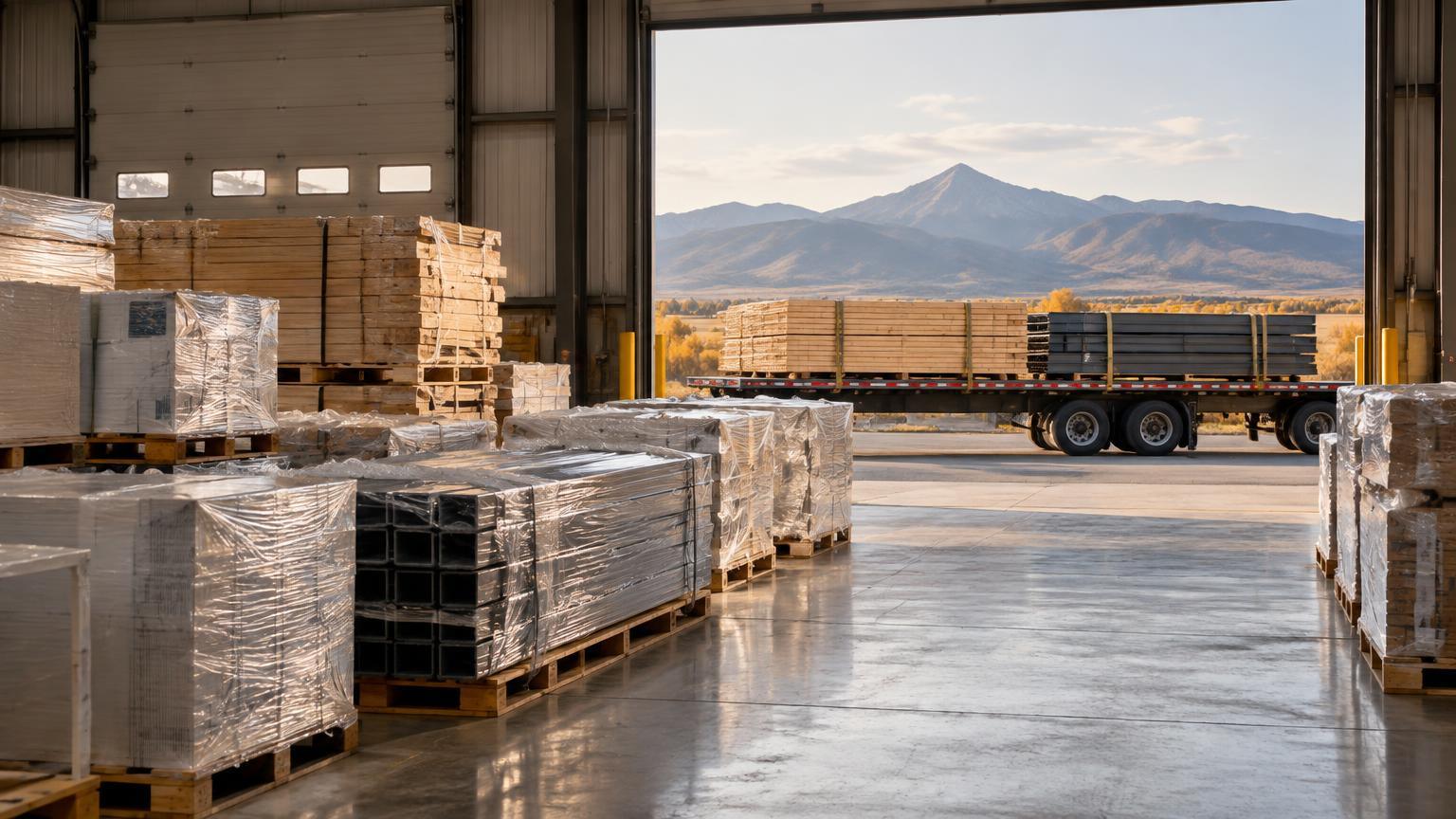
The trailer comes to our dock at 5503 Havana St, ideally before the 3:30pm receiving cutoff. Freight is unloaded, using the side-unload ramp for flatbeds, then counted and prepared as needed. It waits in climate-controlled space and goes back out to Henderson or Brighton when the receiver is ready to take it.
- The trailer arrives at our dock and is checked in
- Freight is unloaded, using the side-unload ramp for flatbeds
- Pallets are counted, sorted, relabeled, or re-palletized as needed
- Freight is staged in climate-controlled space with no cold storage
- Loads are released to Henderson or Brighton when the receiver is ready
Flatbed specifics are covered in flatbed cross-docking in Denver.
Is staging the same as warehousing?
No. Staging is a short hold between two moves. Warehousing is storage with ongoing inventory and releases over time. Holds of a few days are common for Henderson freight, and that is where cross-docking blends into short-term storage. If the hold stretches into weeks, racked warehouse space is usually the better fit.
Watch for a few signals. You need to pull part of the load, not all of it. The release date keeps moving. The trailer is costing more to park than the freight is worth waiting on. Any of those means it is time to look at storage. See trailer storage vs warehouse space for how the switch works.
Can partial loads be combined before the run to Brighton?
Yes. Two or three partial inbound loads can be unloaded at our dock, sorted, and combined into one outbound run to Brighton. Consolidating partials before the run north keeps freight cost per pallet down, and it means the Brighton receiver books one appointment instead of several separate deliveries on different days.
The same approach works for relabeling. If a Brighton receiver has carton or pallet label rules, the labels can go on during staging, so the freight arrives ready to receive.
What should you send before booking staging?
Send the trailer type, pallet counts and weights, the inbound date, the receiver's appointment or expected release date, and any rework the freight needs. For Henderson flatbeds, say what the material is and how it is strapped. For Brighton loads, include the receiver's label and pallet rules so the work is quoted correctly.
Use the short-term warehouse storage checklist if the hold may run longer than a few days.
Get your staging quoted
Send trailer type, pallet counts, dates, and any rework needed. Request a quote or call 303-289-4343.
Frequently asked questions
How far is your dock from Henderson and Brighton?
Our dock at 5503 Havana St is about 15 minutes from Henderson via I-76 and Highway 85, and about 25 minutes from Brighton via I-76.
Can you unload a flatbed when a Henderson yard is full?
Yes. Our ramp supports side unloading, and we can stage the material until the site or yard is ready to receive it.
Can you relabel or re-palletize freight for a Brighton receiver?
Yes. Staging can include sorting, relabeling, re-palletizing and consolidating partial loads before the run north.
How long can freight be staged?
Short holds of a few days are common. If the hold stretches into weeks or freight is released a little at a time, short-term warehousing is usually the better fit.
Do you offer cold storage for staged freight?
No. Our facility is climate-controlled but not refrigerated, so we stage dry and shelf-stable freight only.
More in Warehousing & storage
Keep reading in this cluster
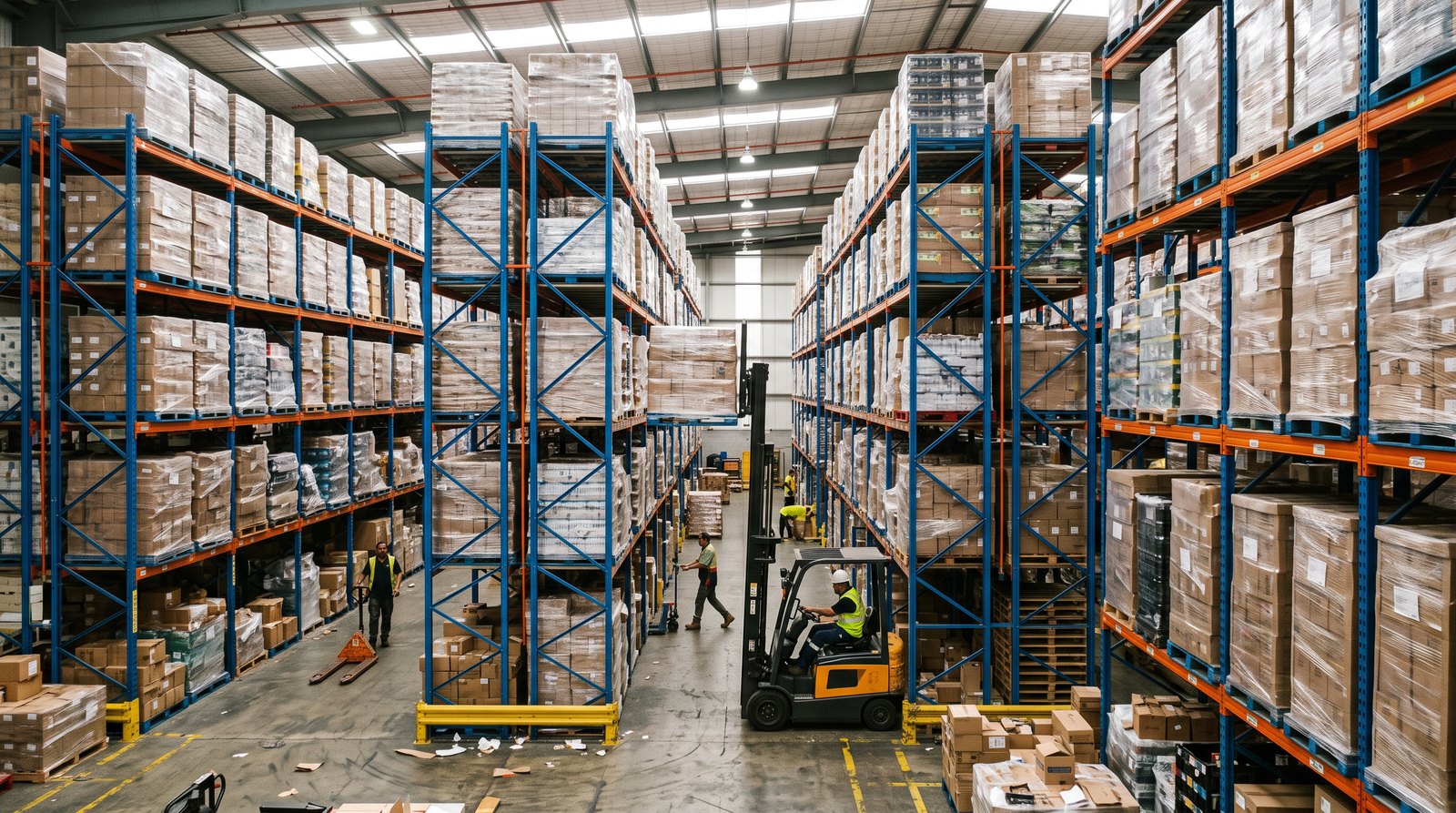
Seasonal Overflow Storage in Denver: How to Plan Peak-Season Warehouse Space
Seasonal overflow storage gives you extra pallet space for a defined window instead of a full-year lease. Here is how Denver shippers size, price, and schedule peak-season warehouse space without paying for capacity they never use.

Food-Grade Warehousing in Denver: What Shippers Actually Need to Qualify
Food-grade warehousing is not a single certification. It is a set of operational practices. Learn what Denver Express requires for ambient dry storage of packaged food products.
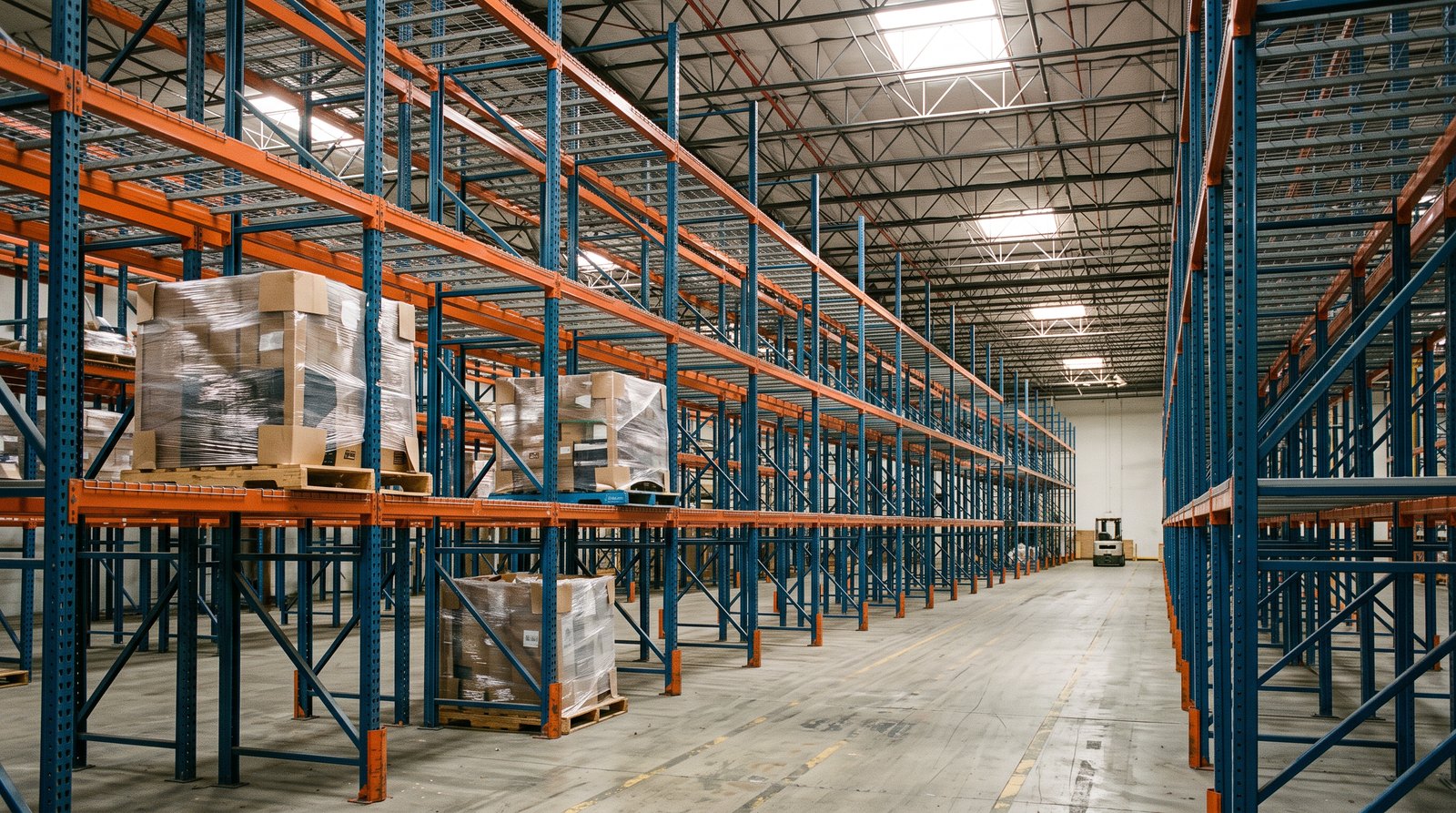
Short-Term vs Ongoing Warehouse Storage in Denver: Which Setup Fits Your Freight?
Compare short-term vs ongoing warehouse storage in Denver. Learn which setup fits your freight based on duration, movement cadence, access, and operational needs.
Warehousing vs Cross-Docking vs Rework in Denver: Which Service Owns Your Freight Problem?
Not sure whether your freight problem calls for warehousing, cross-docking, or rework in Denver? Use this guide to match the shipment issue to the right service.