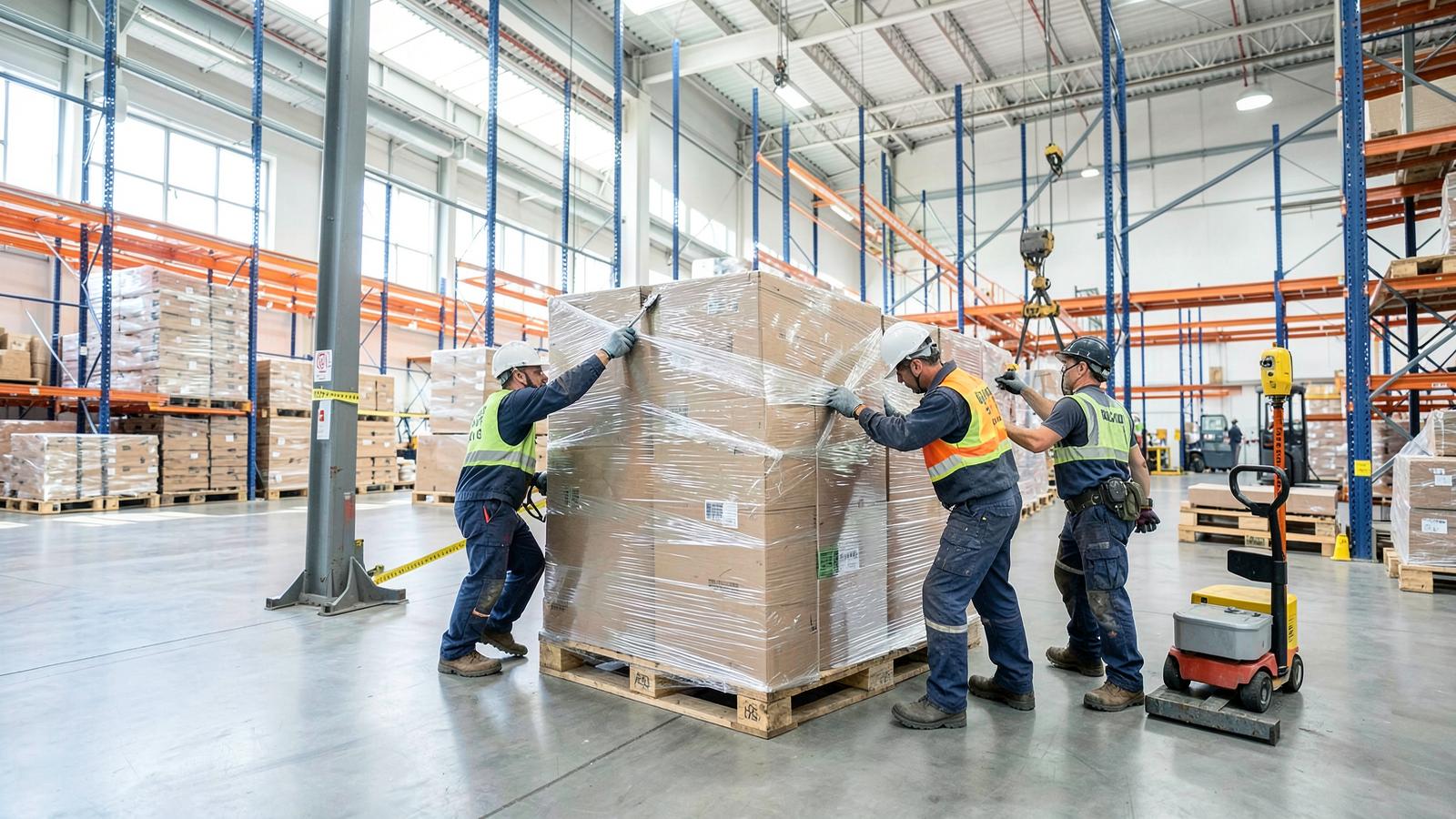
Retail vendor compliance rework is fixing a shipment to match a retailer's routing guide before it is delivered, so the load is not refused and does not generate a chargeback. The usual fixes are pallet height and overhang, label placement, carton marking, and pallet type.
Chargebacks are the part of retail freight nobody quotes for. A load delivers, the retailer accepts it, and weeks later a deduction appears for a non-compliant pallet or a missing label. This guide covers what routing guides typically demand, which failures are fixable in an afternoon, and how to stage a compliance check before delivery instead of paying for it after. For the underlying service, see freight rework in Denver.
What do retail routing guides usually require?
Requirements vary by retailer, but the recurring categories are consistent:
- Pallet type - many programs require a specific pooled pallet rather than a whitewood one
- Pallet height including the pallet - measured to the top of the wrap
- No overhang - nothing past the pallet footprint
- Label placement - a pallet label on specified sides, at a specified height
- Carton marking - readable item and quantity marks facing out
- One SKU per pallet, or a marked mixed pallet
- Wrap standard - full wrap to the pallet deck so the load cannot shift
- Appointment and on-time window - delivery inside a scheduled slot
Nothing on that list is difficult. All of it is expensive to fix after refusal, because it requires a return move plus a second delivery appointment.
Which compliance failures cost the most?
| Failure | Typical consequence | Fix before delivery |
|---|---|---|
| Pallet too tall | Refusal at the door | Split and restack |
| Overhang | Refusal or damage deduction | Restack to footprint |
| Wrong pallet type | Deduction and pallet fee | Transfer to required pallet |
| Missing or wrong labels | Deduction, sometimes refusal | Relabel per spec |
| Shifted or leaning load | Refusal for safety | Restack and rewrap |
| Late delivery | On-time performance deduction | Stage locally and hit the window |
Every fix in the right column is hours of work at a dock. Every consequence in the middle column is a return trip, a second appointment, and a deduction. That asymmetry is the entire argument for a pre-delivery compliance check.
How does a pre-delivery compliance check work?
- The load is received at a dock inside the delivery market and counted
- Pallets are measured: height with the pallet, footprint, and overhang
- Labels are checked against the routing guide, including placement and readability
- Non-compliant pallets are restacked, rewrapped, relabeled, or transferred to the required pallet type
- Photos and counts are recorded before the load goes back out
- The load delivers inside its appointment window from a dock minutes from I-70 and I-270
Step 5 is what protects you if a deduction still arrives. Documented, photographed compliance at the point of dispatch is very hard to argue with. Same principle as the redelivery checklist.
Why is a Denver staging dock the cheap way to hit an on-time window?
Because on-time performance is measured at the receiver's door, not at your origin. A load that leaves early and arrives at 2 a.m. cannot deliver at 2 a.m. Staging locally lets the truck sit at a dock, not on the road, and roll into the appointment window clean.
That staging is ordinary short-duration warehousing or a cross-dock hold, depending on how long the freight waits. If it is hours, treat it as a cross-dock; if it is days, read short-term vs ongoing storage.
What does compliance rework cost?
Most compliance rework is priced hourly, with materials billed separately, because the labor depends on what the inspection finds. Typical lines on a quote:
- Receiving and unload of the inbound trailer
- Inspection and measurement per pallet
- Restack or repalletize labor, hourly or per pallet
- Materials: wrap, labels, cartons, pallets
- Storage if the load waits for its appointment
- Outbound load-out
Compare that against a chargeback plus a return move and a second delivery, and the math usually decides itself. For the pricing structure in detail, see freight rework pricing models, and for pallet choice see CHEP vs standard pallets.
What should you send before the load arrives?
- The retailer's routing guide, or at minimum the pallet height, pallet type, and label spec
- Pallet count, current pallet type, and current heights
- SKU mix per pallet
- Delivery appointment date and window
- Label files, if relabeling is required
- Whether the load may be split into additional pallets
Item 6 matters: splitting a too-tall pallet raises pallet count, which can change freight cost on the outbound leg. Better to decide that up front. Full field list in the quote checklist.
What if the retailer already refused the load?
Then you are in recovery, not prevention, and speed matters. The freight needs somewhere to go today, an inspection, and a fix before the next appointment. That exact sequence is covered in rejected load rework triage and temporary storage after a rejected delivery.
Receivers with strict packaging rules are common in Colorado Springs too. The guide to break-bulk in Denver for Colorado Springs freight shows where a rework pass fits.
Frequently asked questions
Can you restack pallets to a specific height limit?
Yes. Height, footprint, and wrap are all standard rework outputs, and the measurement includes the pallet so the load matches the routing guide.
Can you transfer freight onto pooled pallets?
Yes, when the required pallets are supplied or sourced. Pallet type is one of the most common single-line compliance failures.
How fast can a compliance check be scheduled?
Same-day or next-day is often possible with pallet count, current heights, and the spec in hand. Call rather than email when an appointment is close.
Will I get documentation for a chargeback dispute?
Yes. Counts, measurements, and photos are recorded before dispatch, which is what a dispute needs.
Protect the next retail delivery
Send the routing guide spec, pallet count, and appointment date. We will confirm capacity and a written price the same business day. Call 303-289-4343 or request a quote.
More in Freight rework & recovery
Keep reading in this cluster

Same-Day Freight Rework in Denver: What Can Usually Be Confirmed Up Front?
Need same-day freight rework in Denver? Learn what a facility can usually confirm up front, what details help fast triage, and what still depends on inspection and capacity.

Receiver Rejected the Load: What Information Helps a Rework Facility Triage It Fast?
Learn what to send when a receiver rejects a load so a Denver rework facility can triage it quickly. Includes a decision table, checklist, examples, and common mistakes.

FBA Prep and Labeling in Denver: What Sellers Need Before Shipping In
Labeling, poly bagging, bundling, re-boxing, and pallet spec, done at the dock where your container lands. What gets shipments refused and what to send for an accurate per-unit quote.
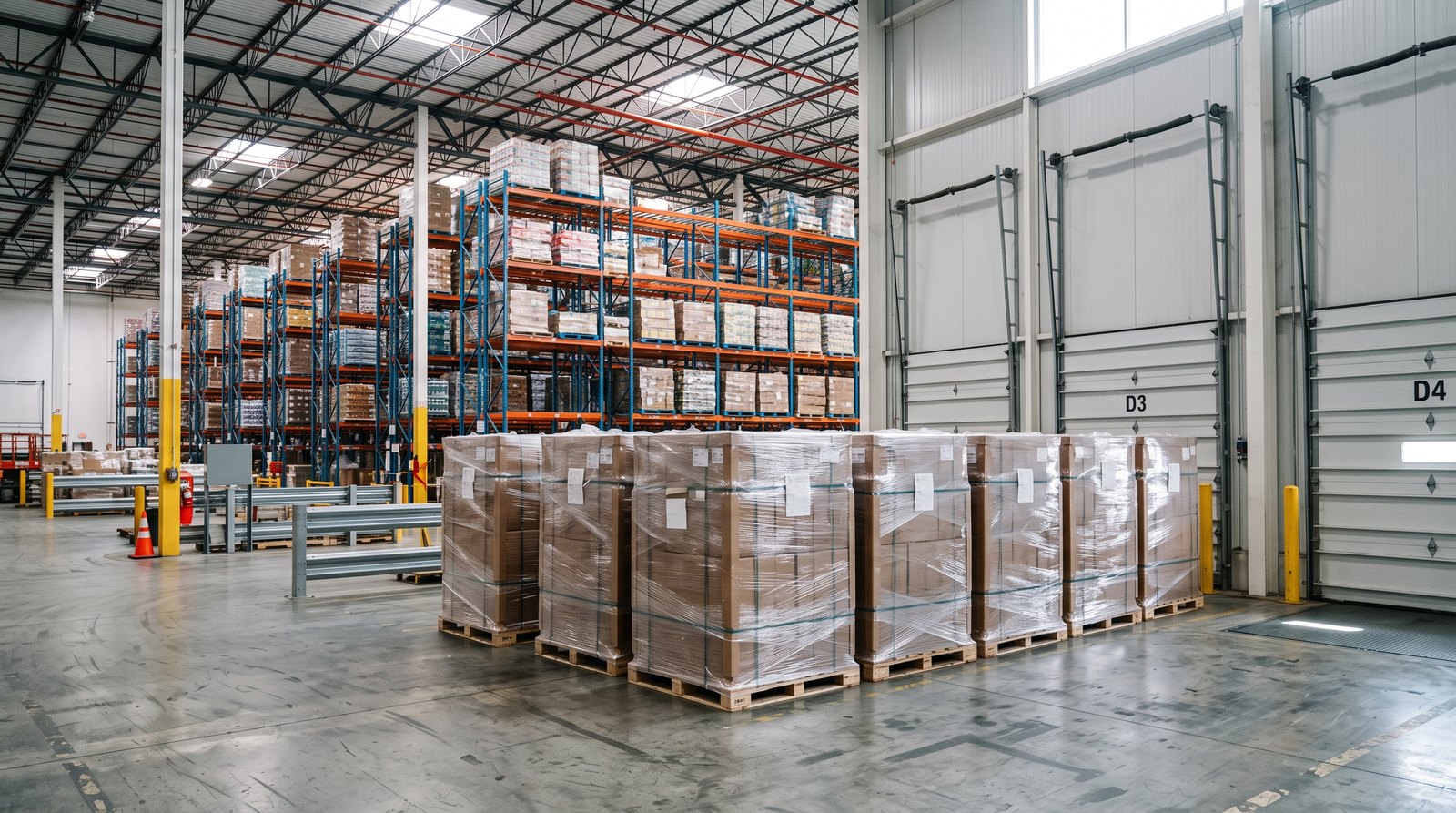
Cross-Dock, Short Storage, or Rework: Which Service Owns a Missed Delivery?
A missed delivery does not automatically mean storage or rework. The right Denver service depends on whether the problem is timing, hold length, or freight condition.