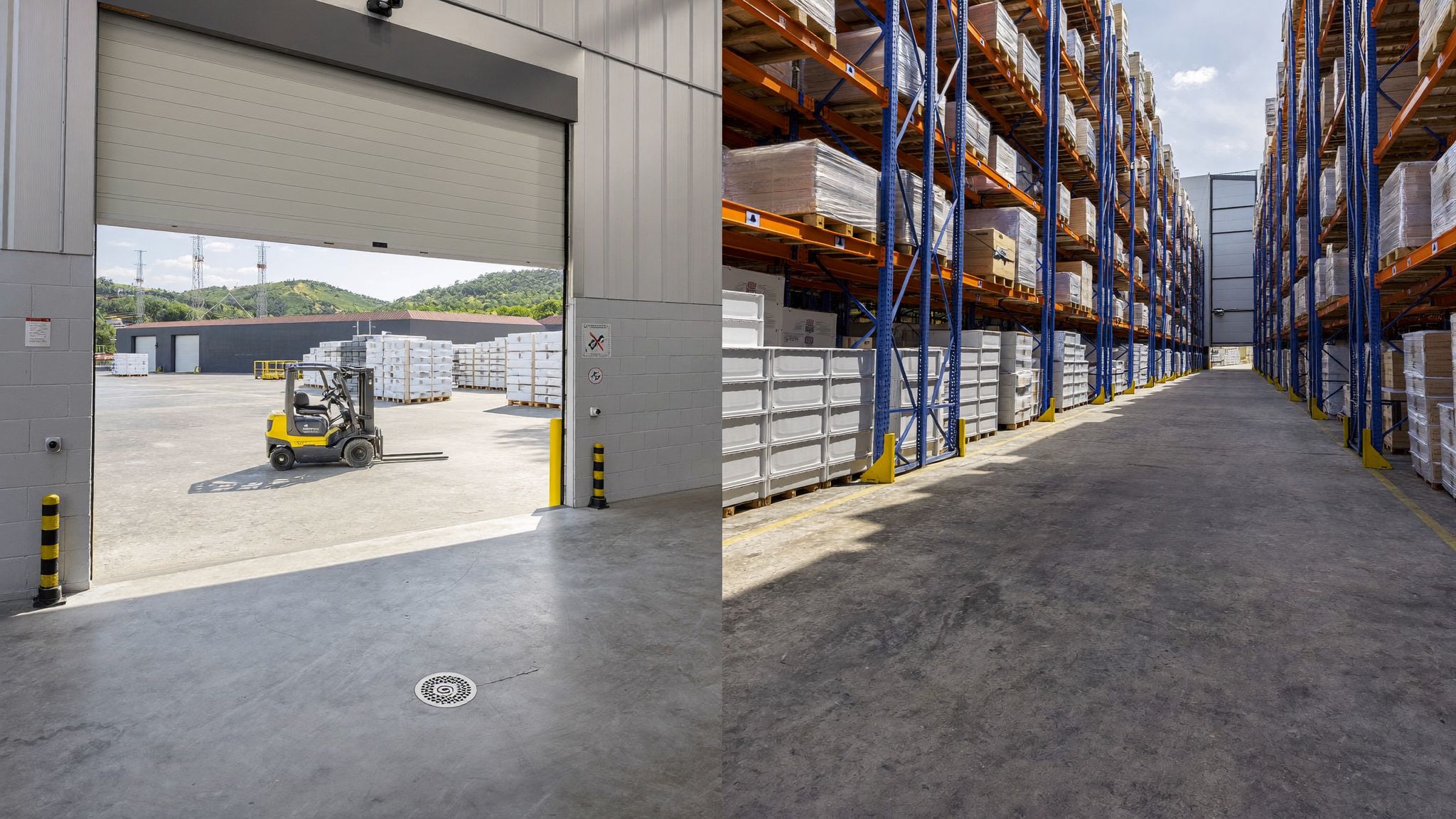
Self-storage rents you a locked box. Warehousing rents you a staffed building that can receive a semi truck, count your freight, and load it back out. If a truck driver has to be able to drop or pick up your product, you need warehousing, not storage.
This confusion costs shippers real money in Denver, usually in one of two ways: a pallet load gets sent to a self-storage site that cannot receive a 53-foot trailer, or a shipper pays for full warehousing when a simple trailer hold would have done the job. Here is how to tell which one your freight needs. Service details live on the Denver warehousing page.
What is the actual difference between self-storage and warehousing?
| Question | Self-storage | Warehouse |
|---|---|---|
| Can it receive a 53' trailer? | Usually no | Yes, at a dock door |
| Is there a forklift and an operator? | No | Yes |
| Who counts and inspects the freight? | You do | Facility staff, documented |
| Can freight be shipped back out for you? | No | Yes, staged and loaded |
| Is condition documented on arrival? | No | Yes, with photos and notes |
| Billed by | Unit size, monthly | Pallet positions or square feet, plus handling |
| Good fit for | Boxes, samples, records, small equipment | Palletized freight, containers, LTL, project material |
Which one do you need? A quick decision path
- Is your freight on pallets? If yes, warehousing. Pallets need a forklift on both ends.
- Does a carrier need to deliver or collect it? If yes, warehousing. Carriers need a dock and an appointment.
- Do you need documented counts or condition? If yes, warehousing. Storage units have no receiving process.
- Is it a handful of boxes you will move yourself in a van? Self-storage is fine and cheaper.
- Is it one trailer that just needs to sit for a week or two? A trailer hold may beat both - see pallet storage vs trailer hold.
Where a 3PL warehouse sits in the middle
A 3PL warehouse adds services on top of space: receiving, put-away, inventory reporting, order pulling, and outbound loading. You are buying operational capability, not just square footage. That matters most when your freight moves often, because handling cost, not storage cost, drives the invoice on fast-turning inventory.
Cross-dock work sits even further along that spectrum: freight barely stops at all. See cross-docking in Denver and cross-docking vs transloading if your goods only need to change trucks.
Real scenarios and the right answer
A receiver refused 14 pallets and the driver needs somewhere to go today
Warehouse. It needs a dock, a forklift, documented condition, and possibly rework before redelivery. Walk through temporary storage after a rejected delivery.
A contractor has 40 pallets of fixtures landing six weeks before the job site opens
Warehouse. Racked storage with scheduled releases so the site gets material in the order it can install it.
A small business needs to keep 20 boxes of records and trade-show gear
Self-storage. No dock, no forklift, no counts needed.
An importer gets one container a month and releases pallets weekly
Warehouse. Container unloading plus staged releases. Cost drivers are covered in container unloading cost factors.
Peak season pushes a distributor's own building over capacity for four months
Warehouse, short-term. See seasonal overflow warehouse storage.
What each option costs you in practice
Self-storage looks cheaper per month because the price excludes every bit of labor. Add a lift-gate delivery, your own time unloading by hand, and a second move later, and the gap narrows fast. Warehousing quotes bundle the labor but split the line items, which is why you should read warehouse pricing models and the accessorial charges guide before comparing two numbers.
Frequently asked questions
Can I have a trucking company deliver to a self-storage unit?
Rarely. Most sites have no dock, no forklift, and no one authorized to sign a bill of lading. Drivers may refuse the stop, which can trigger detention or a TONU. See how to avoid detention fees.
Is a warehouse cheaper if my freight only stays a few days?
Often yes, because short dwell means little storage cost and the value is in the handling. Short holds are covered in short-term warehouse storage in Denver.
Do I need a long contract for warehouse space?
Not necessarily. Short-term and month-to-month arrangements are common. The comparison is in short-term vs ongoing storage.
What if my freight needs repair or rewrapping first?
That is freight rework, and it happens on the dock before the pallets ever reach a storage position.
Next step
Tell us what the freight is, how it arrives, and how long it needs to stay. Send it through the quote form or call 303-289-4343 for a same-business-day answer, and see all services for everything available under one roof.
More in Warehousing & storage
Keep reading in this cluster
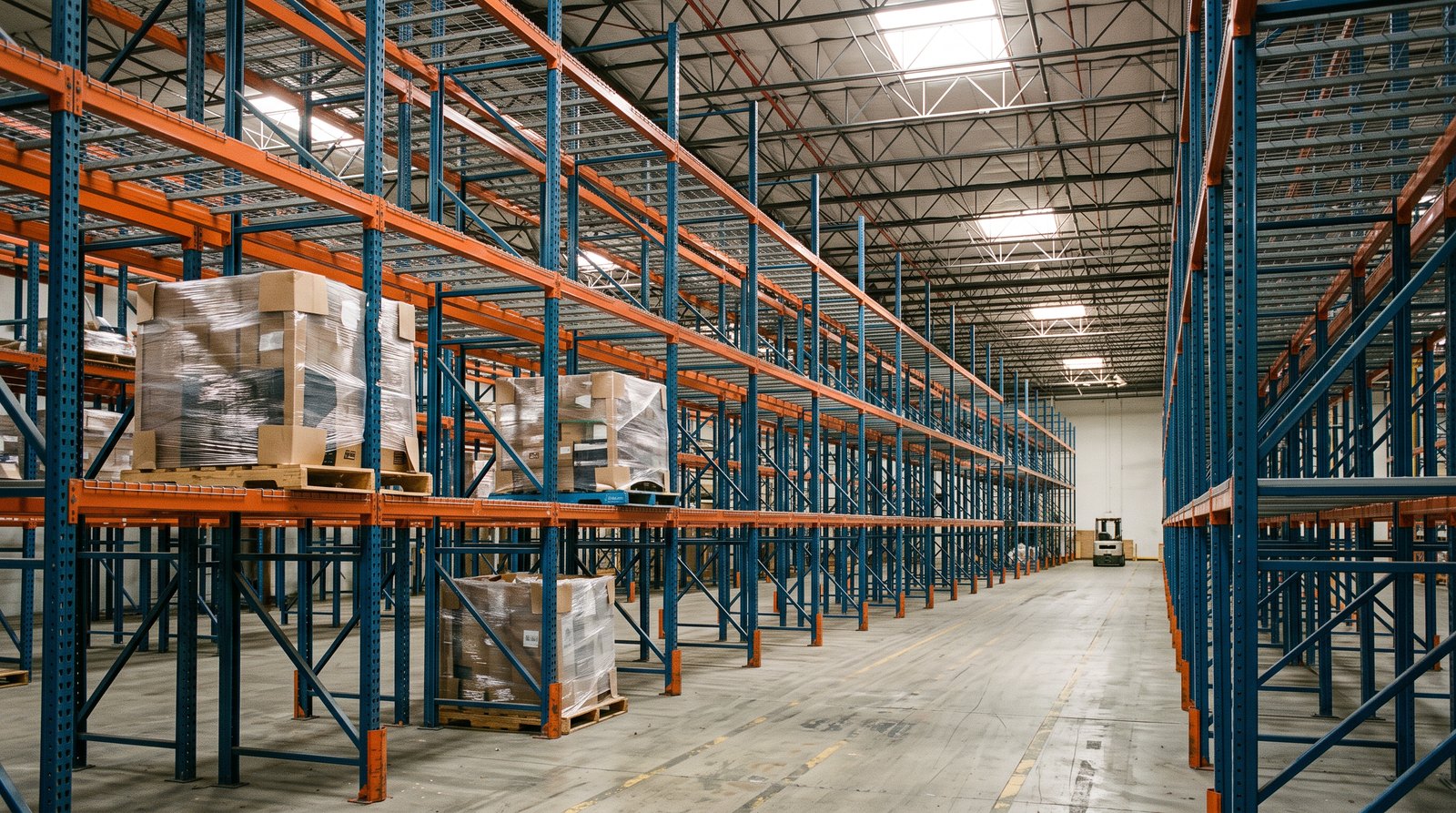
Short-Term vs Ongoing Warehouse Storage in Denver: Which Setup Fits Your Freight?
Compare short-term vs ongoing warehouse storage in Denver. Learn which setup fits your freight based on duration, movement cadence, access, and operational needs.
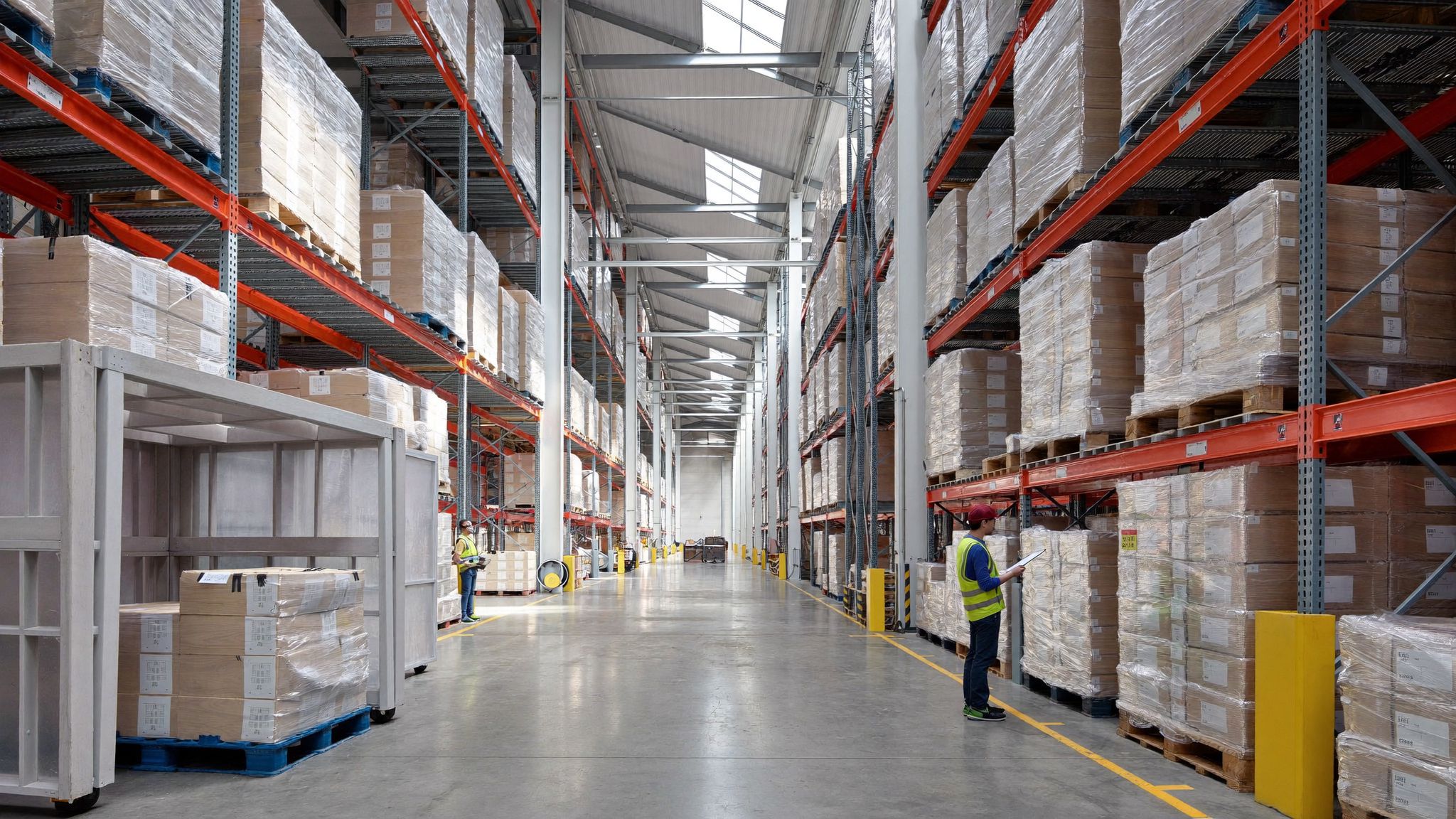
What Is Warehousing? A Plain-English Guide for Denver Shippers
Warehousing means paying a staffed facility to store your freight and handle it in and out. Learn what it includes, how it differs from cross-docking and rework, and when it pays off.
How Much Warehouse Space Do I Need? Pallet Positions vs Square Feet
Count pallets at peak, confirm stackability, then convert to space. A practical method for sizing Denver warehouse storage, plus the five mistakes that break estimates.
Trailer Storage vs Warehouse Space: When to Make the Switch
A parked trailer is cheap until you need access. Six signals it is time to move freight into racked Denver warehouse space, and how the switch actually works.