Pick a Denver cross-dock partner by confirming four things before price: dock capacity on the day you need it, who physically touches your freight, how exceptions get documented, and exactly which accessorials can appear on the invoice. A facility that answers those clearly in one phone call is almost always the cheaper choice, even when its per-pallet rate is not the lowest quote you received.
Most shippers shop cross-docking the same way they shop paper towels: three quotes, lowest number wins. Then a driver waits two hours, a pallet gets rewrapped without approval, and the invoice arrives with a lumper line nobody discussed. This guide gives you the questions that separate a real operation from a broker with a phone. For the service itself, start with cross-docking in Denver.
What does a cross-dock partner actually have to be good at?
Cross-docking looks simple from the outside: freight comes off one truck and goes onto another. The difficulty is timing and accountability. A good partner is judged on five things:
- Dock availability - can they take your trailer in the window you need, not the window they prefer
- Turn time - how long a driver sits from check-in to release
- Condition documentation - photos and counts that protect you in a claim
- Scope discipline - nobody performs extra work without written approval
- Communication - one named person who answers when something goes wrong
Notice that price is not on that list. Price matters, but it is downstream of these. A cheap rate attached to a slow dock produces detention charges that dwarf the savings, which is why we wrote how to avoid detention fees.
What 12 questions should you ask before you commit?
Ask these in order. You will know inside ten minutes whether the facility is right for your freight.
- How many dock doors do you have, and how many are open the day I need?
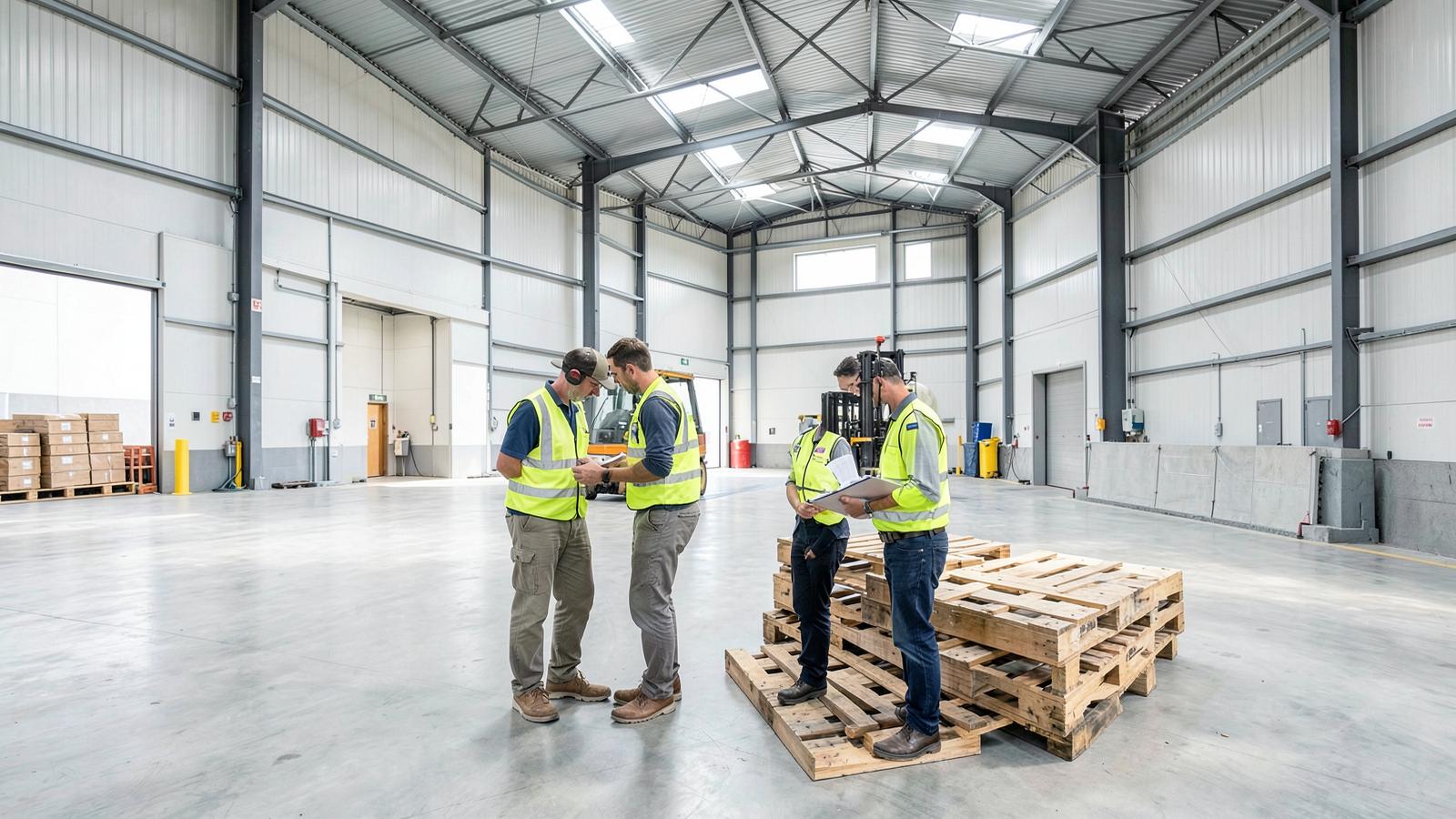
- Do your own employees unload, or do you call a lumper crew?
- What is your typical driver turn time for a 26-pallet load?
- Can you receive after hours or on a weekend, and at what rate?
- Do you photograph freight on arrival, and will I get those photos?
- How do you handle a shortage or damage you discover mid-unload?
- What happens if the outbound truck does not show up today?
- How long can freight sit before storage billing starts?
- Which accessorials exist on your rate sheet, and what triggers each?
- Can you rewrap, restack, or repalletize in the same building?
- Are you set up for food-grade product?
- Who is my single point of contact, and what hours are they reachable?
Question 8 catches more surprise invoices than any other. The answer varies widely by facility, which is why how long freight can sit at a cross-dock is worth reading before you sign anything.
In-house crew vs lumper service: does it matter?
Yes, and it is usually the biggest quality difference between two facilities with identical rates. An in-house crew is accountable to the facility that quoted you. A contracted lumper crew is accountable to whoever is paying them that shift.
| Factor | In-house crew | Contracted lumpers |
|---|---|---|
| Accountability for damage | Sits with the facility | Often disputed |
| Cost predictability | Usually quoted up front | Frequently a pass-through fee |
| Availability on short notice | Depends on staffing | Depends on crew supply |
| Consistency of handling | Same people, same standards | Varies by shift |
Neither model is automatically wrong. What is wrong is not knowing which one you bought. If lumper fees are in play, the accessorial charges guide explains how they normally appear on an invoice.
How should you compare quotes fairly?
Put every quote into the same shape before comparing. For a single 26-pallet cross-dock, write down:
- Base handling charge and whether it is per pallet, per load, or hourly
- Included free time and the hourly rate after it expires
- Storage start date if the outbound truck slips a day
- Rewrap or restack rate, in case a few pallets need help
- After-hours or weekend premium
- Minimum charge, which quietly sets the floor on small loads
Two quotes that look 15% apart often land within a few dollars once free time and minimums are lined up. For how the base models differ, see per pallet vs per load vs hourly cross-dock rates and how to avoid surprise cross-dock fees.
What are the warning signs of a bad fit?
Walk away, or at least slow down, when you hear any of the following:
- "We'll figure out the pricing after" - scope gets defined after the work, which always favors the facility
- No answer on turn time - a facility that tracks nothing cannot improve anything
- No photos - you will lose any condition dispute that follows
- A quote with one line and no accessorial list - the fees exist; they are just not written down yet
- No named contact - during an exception, a general inbox costs you hours
Does location inside Denver metro matter?
It matters more than most shippers expect, because deadhead miles and metro traffic are billed as time. A dock near I-70 and I-270 keeps drivers out of surface-street congestion and makes a same-day second leg realistic. Our facility sits at 5503 Havana St in Denver, minutes from both interstates, which is what makes same-day cross-docking and rework in the same building practical.
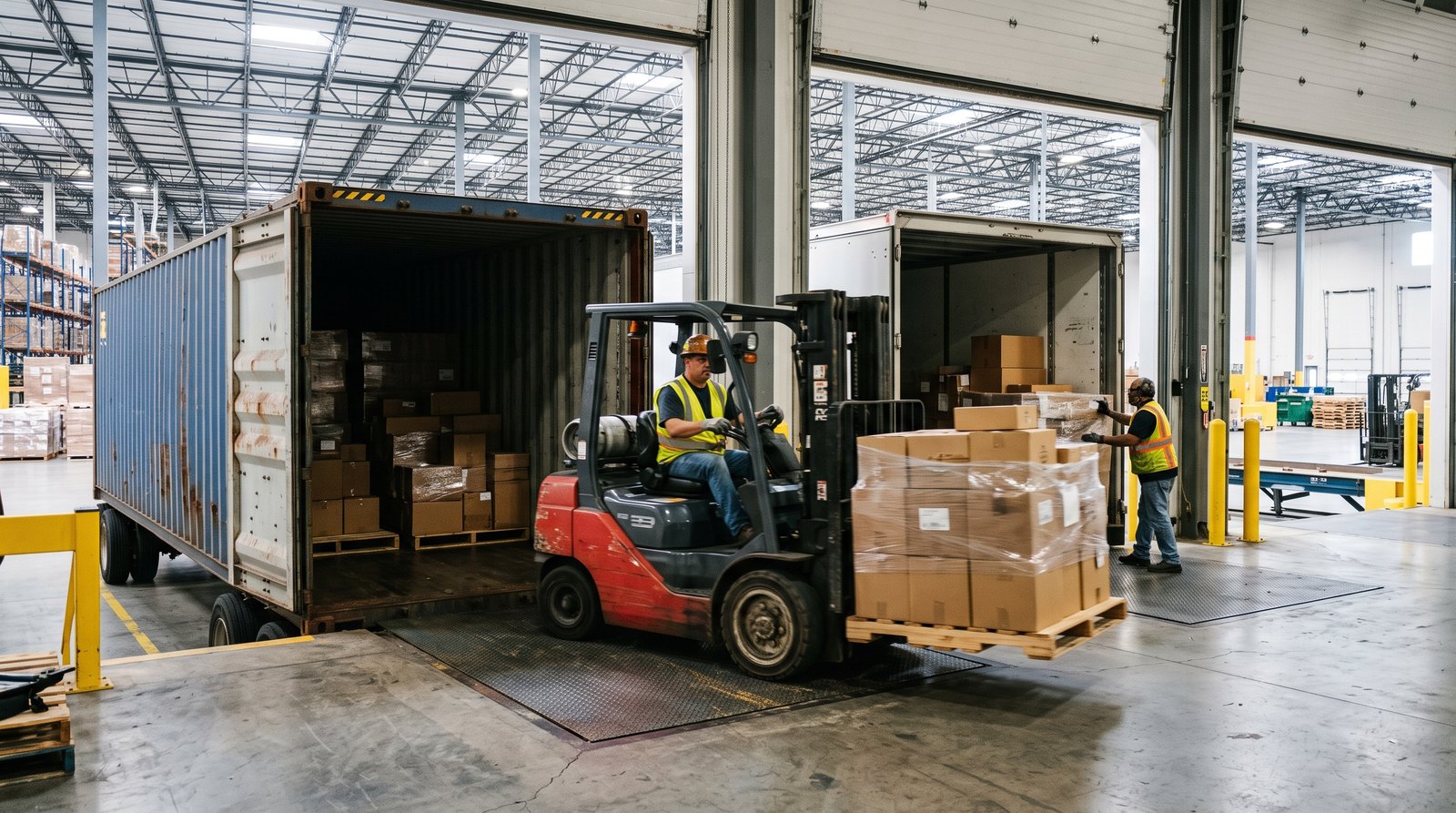
If your freight is arriving by rail or in a container, the location question also determines whether transloading is even worth it. See cross-docking vs transloading and intermodal transloading.
When should you switch partners?
Switch when you see a pattern, not a single bad day. Real triggers:
- Detention charges appear on more than one load a month
- You cannot get a straight answer about a shortage
- Invoices routinely contain lines you did not approve
- Your freight repeatedly waits because there is no open door
- Rework has to be sent to a second facility, adding a move and a day
The last one is common and expensive. When a load arrives shifted or rejected, keeping the fix under one roof avoids an extra transfer. That workflow is covered in cross-dock, storage, or rework after a missed delivery.
Frequently asked questions
How fast can a Denver cross-dock take my load?
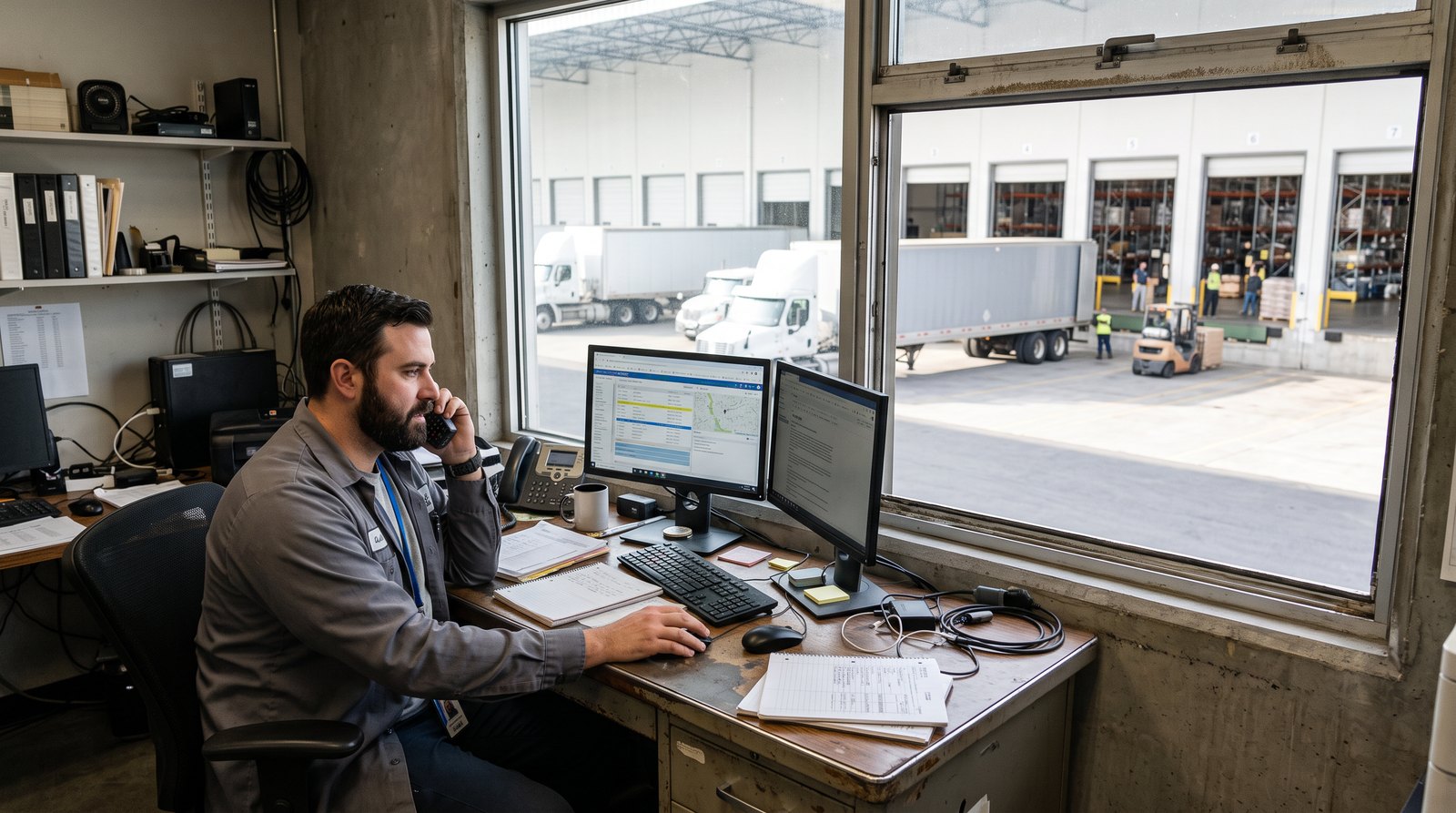
Same-day is realistic when you call with pallet count, dimensions, arrival window, and outbound plan. Availability is confirmed against open dock doors, so earlier calls get better windows. See how to book a cross-dock slot.
Should I choose the lowest per-pallet rate?
Only after normalizing free time, minimums, storage start, and accessorials. A low base rate with two hours of free time frequently costs more than a higher rate with four.
Do I need a contract for occasional cross-docking?
No. Spot loads are normally handled on a written quote and a rate confirmation. Contracts make sense once volume is steady and you want reserved capacity.
What should I send to get an accurate quote?
Pallet count, weight, dimensions, whether freight is floor-loaded, inbound and outbound dates, and any handling restrictions. The quote checklist lists every field.
Ready to compare us against your current dock?
Send your next load's details and we will confirm dock availability, turn-time expectation, and a full fee list in writing the same business day. Call 303-289-4343 or request a quote.
More in Cross-docking & transloading
Keep reading in this cluster
What Is a Cross-Dock Slot in Denver-and What Do You Need to Book One Fast?
Need a cross-dock slot in Denver fast? Learn what a dock slot really is, what details matter most, and what to send before you request availability.
Cross-Docking vs Transloading in Denver: Which One Do You Actually Need?
Confused about cross-docking vs transloading in Denver? Use this guide to choose the right workflow based on speed, equipment change, handling, and shipment fit.
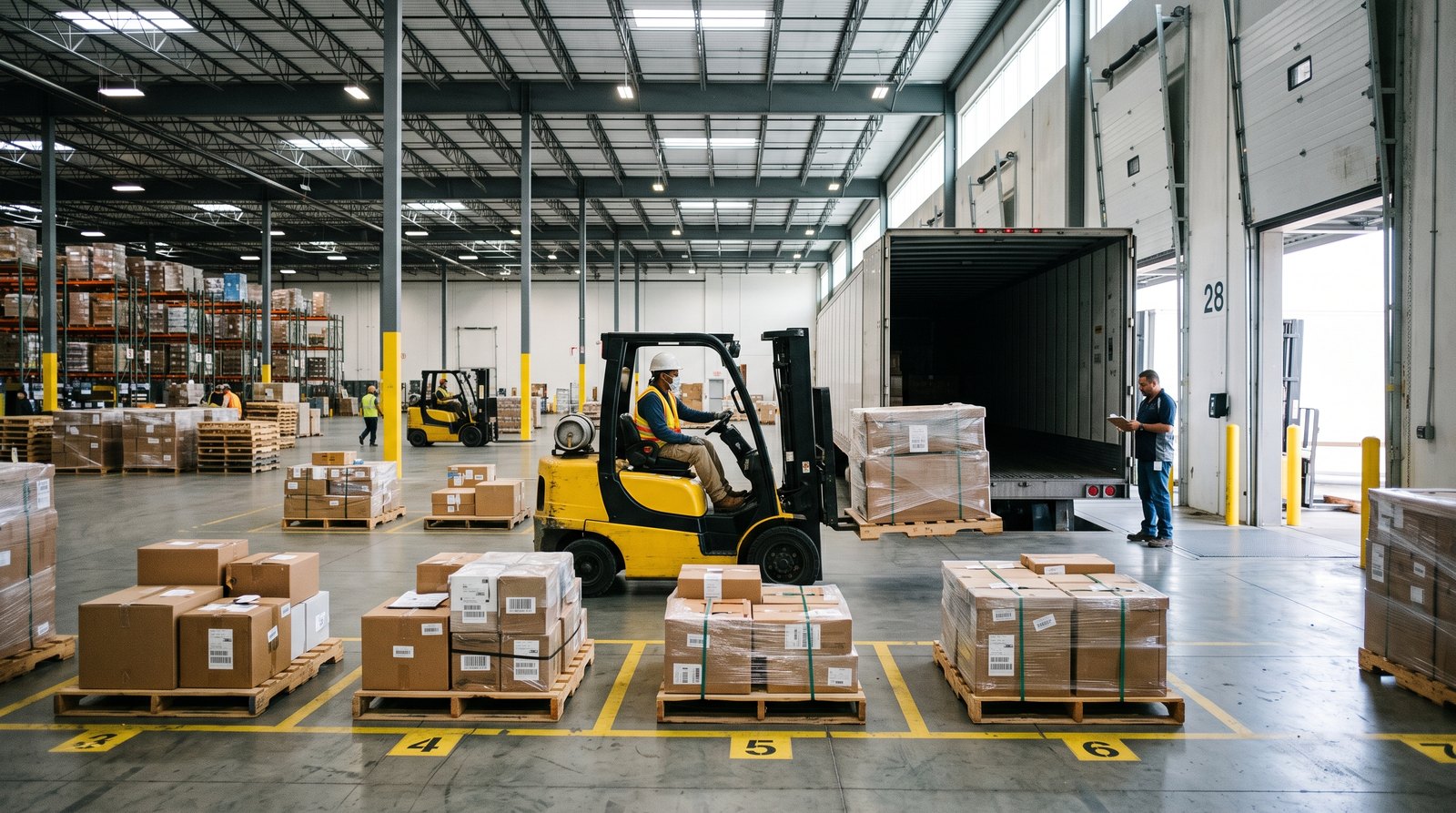
LTL Consolidation in Denver: Combining Multiple Shipments Into One Outbound Load
LTL consolidation combines several small shipments into one outbound truckload at a Denver cross-dock, cutting per-shipment cost and handling touches. Here is when it pays off and how to set it up.
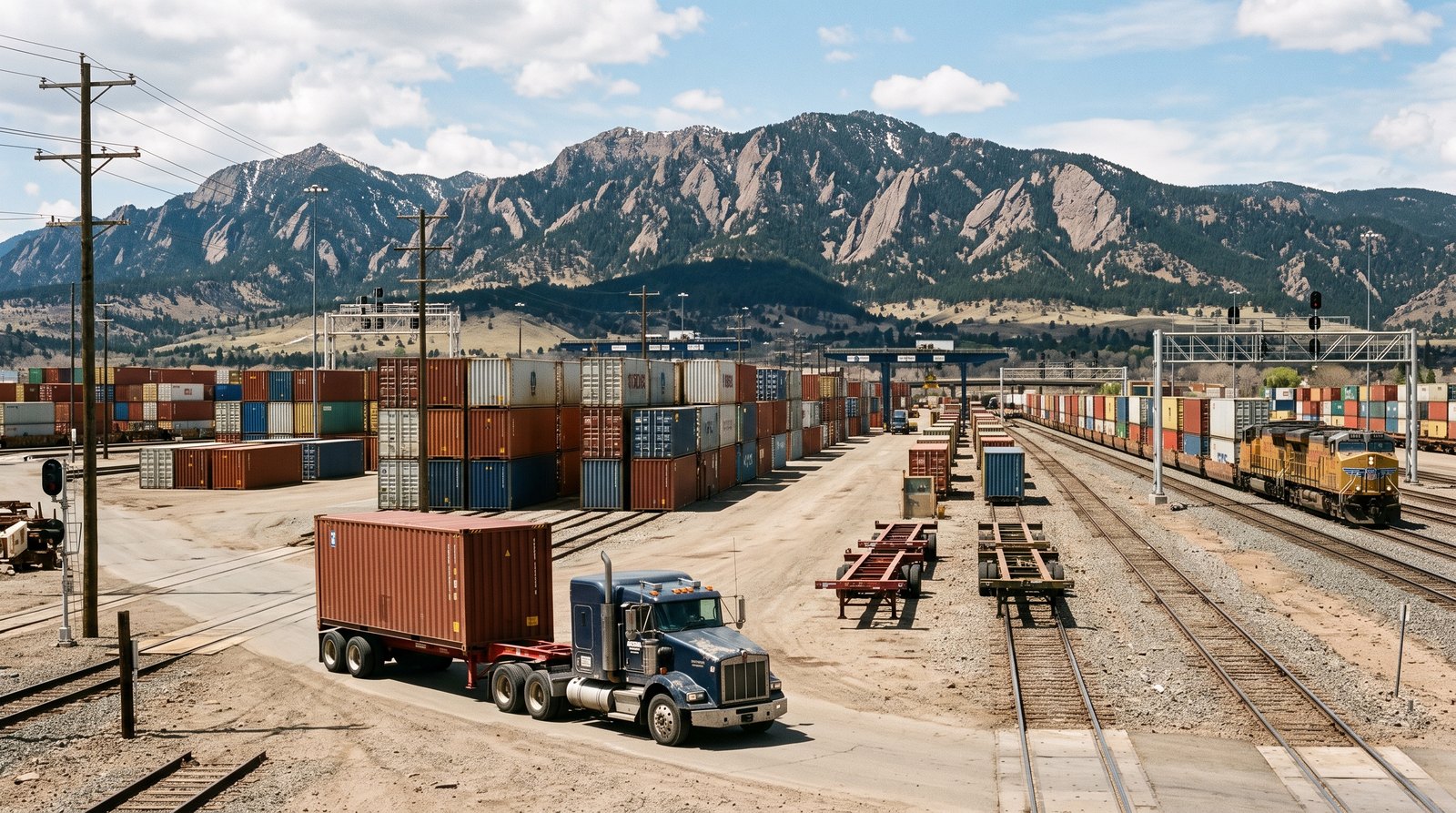
Intermodal Freight in Denver: When It Makes Sense vs Standard Trucking
Intermodal freight in Denver works well on long-haul lanes, but the transload step often determines whether the move stays on schedule. Learn when rail-plus-truck makes sense and what to plan at the cross-dock.