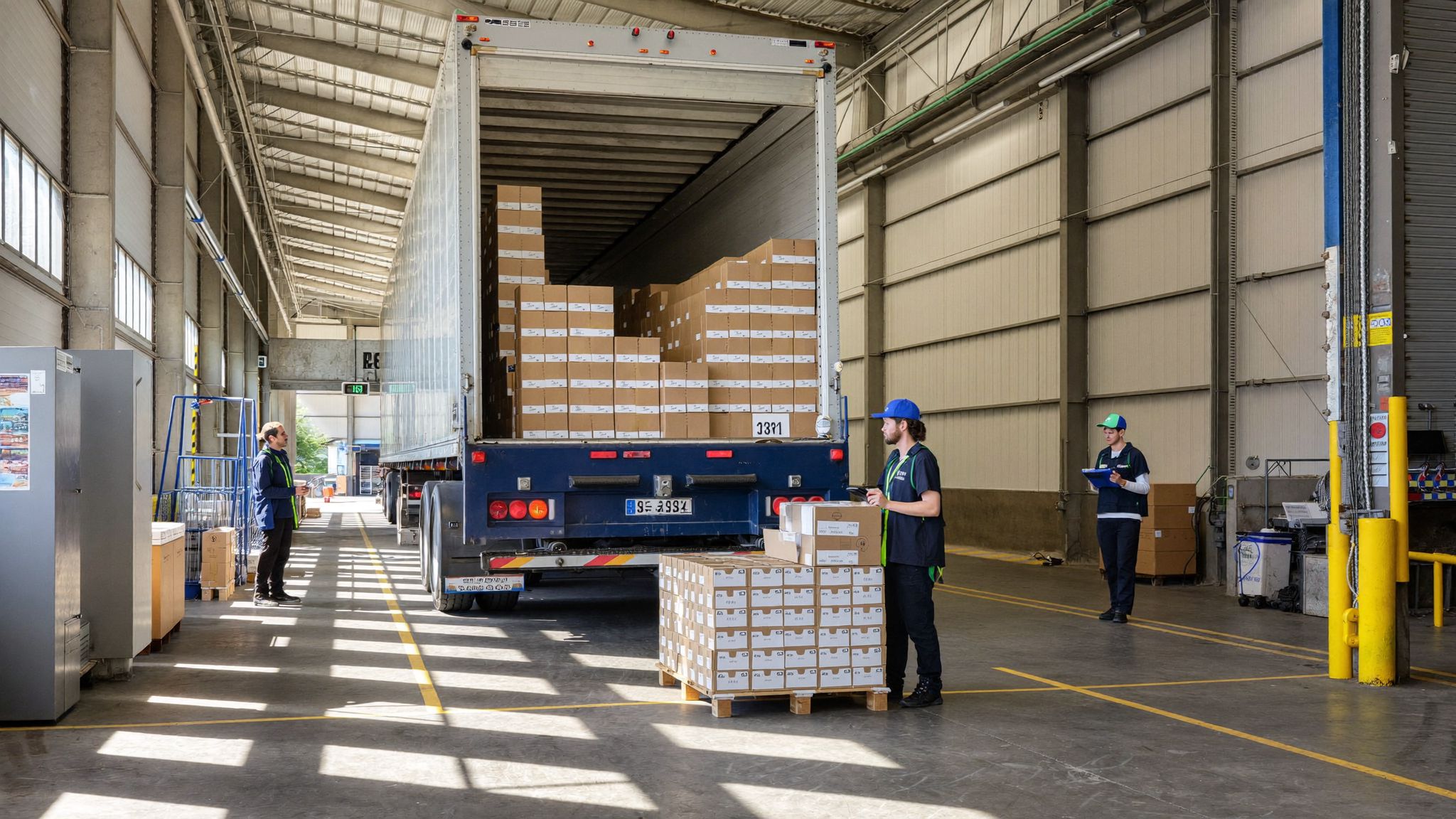
Warehouse receiving is the moment your freight becomes documented. A trailer backs into a dock door, the load is unloaded, counted against paperwork, inspected for damage, and put away into a storage location. Everything you later argue about - shortages, damage claims, billing - traces back to what happened in that hour.
Most shippers never see it, so it feels like a black box. It is not. Here is the actual sequence, what gets recorded, and what you can do before the truck arrives to keep the receipt clean. Service overview: warehousing in Denver.
What happens step by step when a warehouse receives your freight?
- Appointment and check-in. The driver arrives in a scheduled window and presents the bill of lading. Late or unannounced arrivals wait for an open door, which is how detention starts.
- Dock assignment. The trailer is backed in, chocked, and the door is opened for inspection.
- Seal and condition check. Staff note the seal number on a sealed load and photograph anything visibly wrong before touching freight.
- Unload. Palletized freight comes off by forklift. Floor-loaded freight is handled piece by piece and built into pallets, which takes far longer.
- Count against paperwork. Pallet and carton counts are compared line by line to the bill of lading.
- Exception noting. Any overage, shortage, or damage is written on the paperwork and photographed before the driver leaves.
- Put-away. Freight moves to a racked position or floor location and the location is recorded.
- Receipt issued. You get a receiving report showing what arrived, in what condition, and where it now lives.
Why exceptions must be caught before the driver leaves
Once a clean bill of lading is signed and the truck pulls away, proving the damage happened in transit becomes very hard. That single signature is the pivot point for most freight claims. This is why good receiving staff photograph first and sign second, and why counts are done at the dock rather than later in the day.
If your load routinely arrives with problems, keep the documentation standard tight using the overage, shortage and damage documentation checklist.
What slows receiving down - and what it costs you
| Condition at the dock | Effect on receiving | Cost consequence |
|---|---|---|
| Floor-loaded cartons instead of pallets | Hours of manual handling and pallet build | Labor-driven charges - see unloading cost factors |
| Counts that do not match the paperwork | Recount, supervisor review, documentation | Delay for the carrier, possible detention |
| Collapsed or shifted pallets | Must be rebuilt before put-away | Triggers rework labor |
| Loose or torn stretch wrap | Cannot be racked safely as-is | See rewrap vs repalletize |
| No advance notice of the arrival | Driver waits for a free dock door | Detention risk - see avoiding detention fees |
| Missing or unclear product identification | Cannot be assigned a location confidently | Hold at dock until resolved |
What you should send before the truck arrives
- Bill of lading or packing list with pallet and carton counts
- Carrier name and expected arrival window
- Product description, including food-grade, hazardous, or temperature needs
- Pallet profile - footprint, height, weight, stackability
- Special handling instructions, in writing rather than told to the driver
- Who to call when something does not match
That is essentially the same package a facility needs to quote, so if you already sent the quote checklist, you are most of the way there.
Receiving for storage vs receiving for a cross-dock
The first six steps are nearly identical. The difference comes after the count: for storage, freight is put away into a location and tracked; for a cross-dock, it is staged for an outbound truck the same day or next. Booking that outbound side is covered in what a cross-dock slot is and how to book one, and the timing limits in how long freight can sit at a cross-dock.
If the freight is moving straight through rather than into storage, use the bill of lading checklist for cross-dock freight to match inbound and outbound paperwork.
Frequently asked questions about warehouse receiving
Who signs for my freight at the warehouse?
Facility staff sign the bill of lading, noting exceptions. They are documenting what they actually observed, not accepting responsibility for damage that arrived on the truck.
Will I be told if something is damaged?
Yes, with photos and a written exception on the receipt. Report the same day so the claim window stays open.
How long does receiving take?
A clean palletized trailer often unloads in under an hour. A floor-loaded container that must be palletized can take most of a shift.
What if the count is short?
The shortage is noted on the paperwork before the driver leaves, photographed, and reported to you. That documentation is your claim evidence.
Can the warehouse fix a damaged pallet during receiving?
Usually yes, as rework on the dock. If a receiver already rejected the load, see rejected-load rework triage.
Next step
If you have an inbound truck coming and want the receipt handled properly, send the paperwork and arrival window through our contact form or call 303-289-4343. Everything else we handle on the same dock is listed under services.
More in Warehousing & storage
Keep reading in this cluster
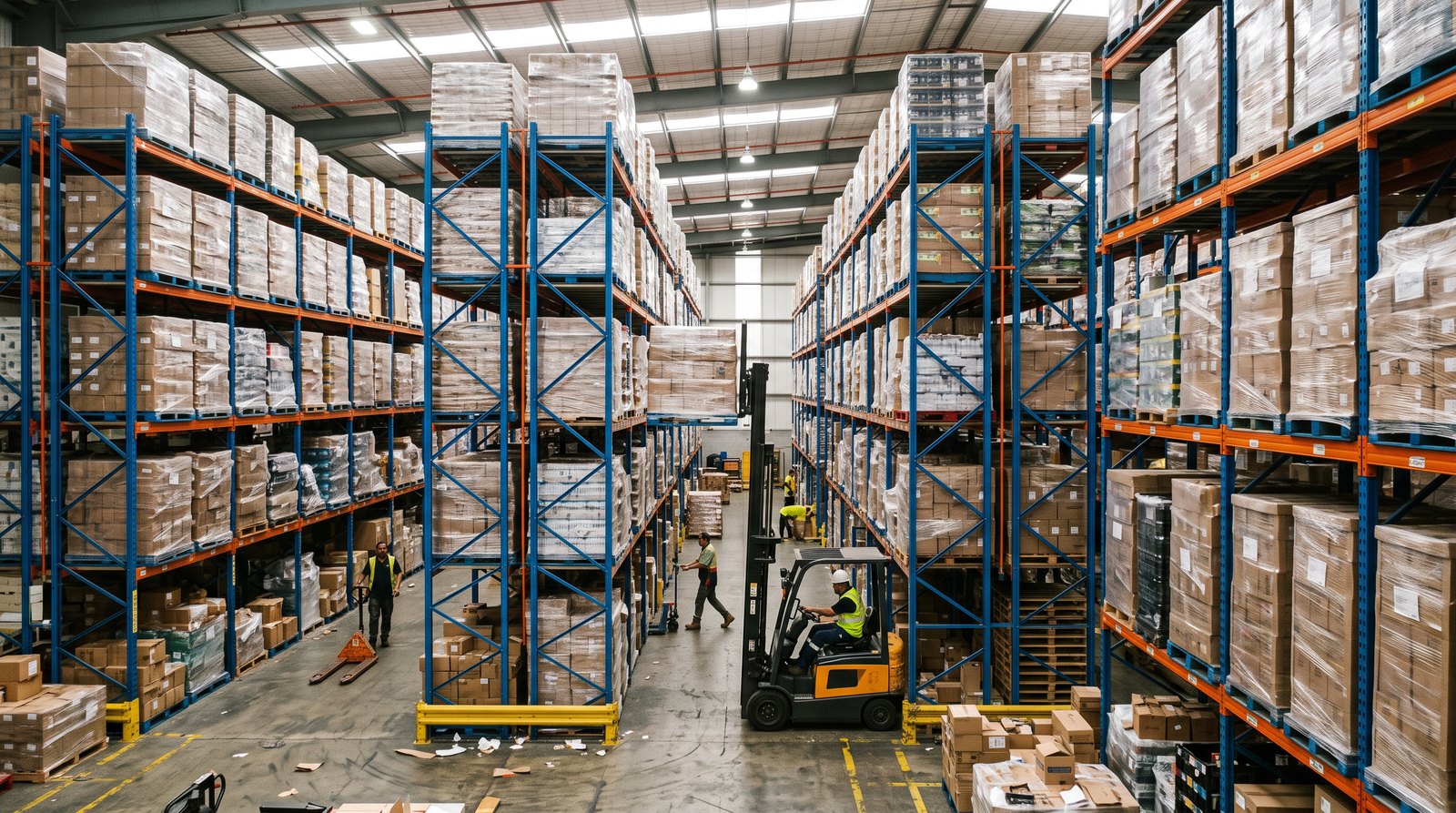
Seasonal Overflow Storage in Denver: How to Plan Peak-Season Warehouse Space
Seasonal overflow storage gives you extra pallet space for a defined window instead of a full-year lease. Here is how Denver shippers size, price, and schedule peak-season warehouse space without paying for capacity they never use.
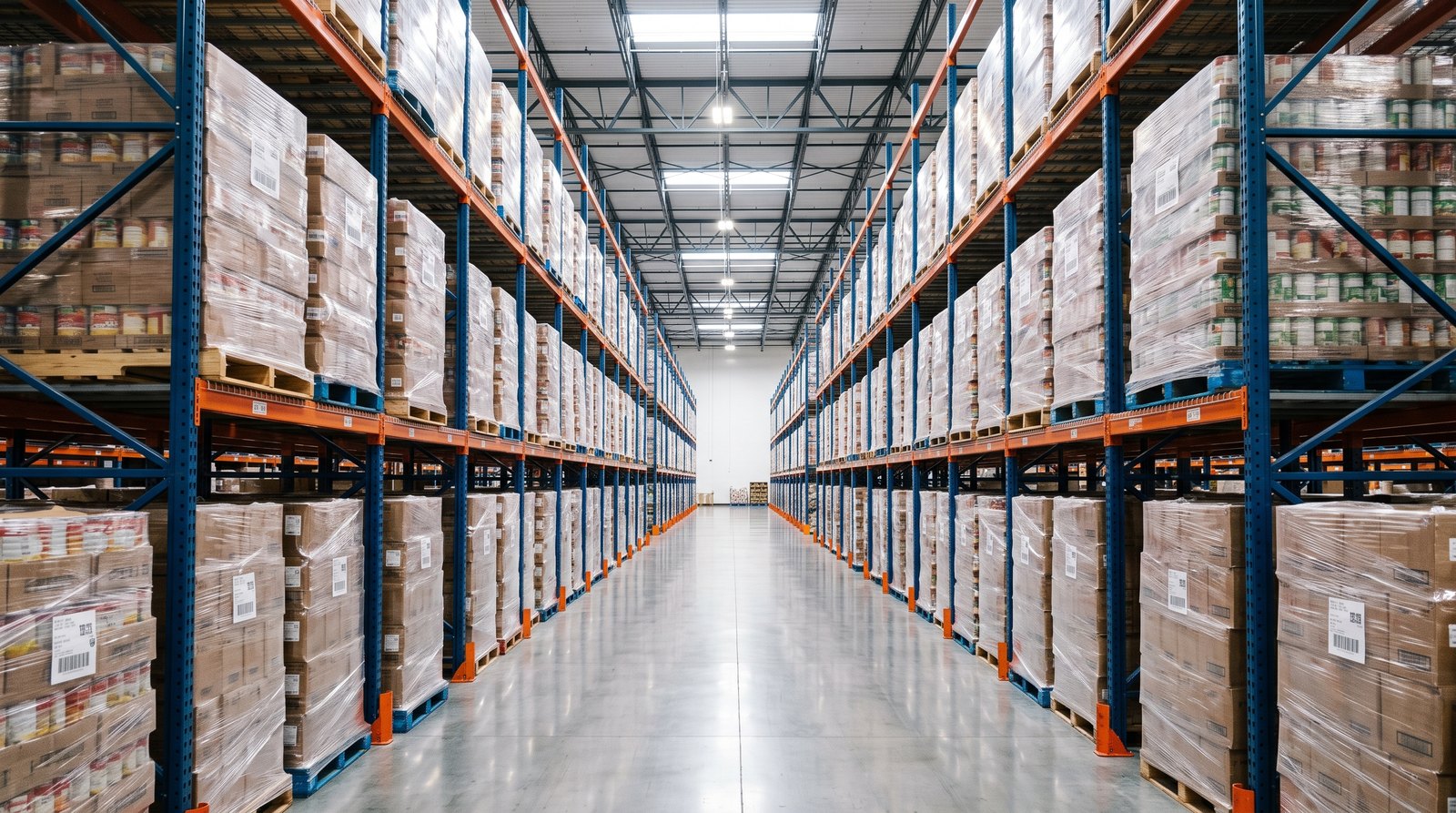
Food-Grade Warehousing in Denver: What Shippers Actually Need to Qualify
Food-grade warehousing is not a single certification. It is a set of operational practices. Learn what Denver Express requires for ambient dry storage of packaged food products.
Short-Term vs Ongoing Warehouse Storage in Denver: Which Setup Fits Your Freight?
Compare short-term vs ongoing warehouse storage in Denver. Learn which setup fits your freight based on duration, movement cadence, access, and operational needs.
Warehousing vs Cross-Docking vs Rework in Denver: Which Service Owns Your Freight Problem?
Not sure whether your freight problem calls for warehousing, cross-docking, or rework in Denver? Use this guide to match the shipment issue to the right service.